
Last updated November 15, 2026
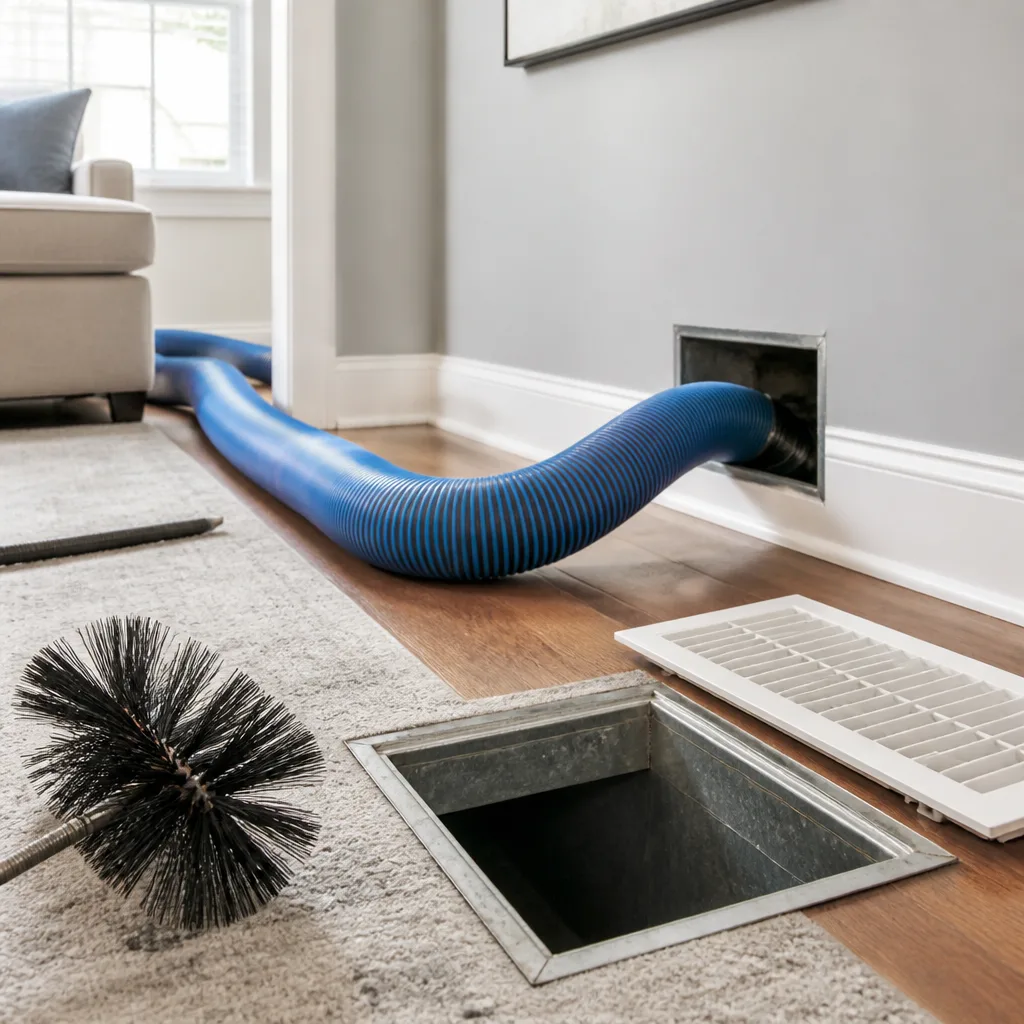 Whole-home duct cleaning
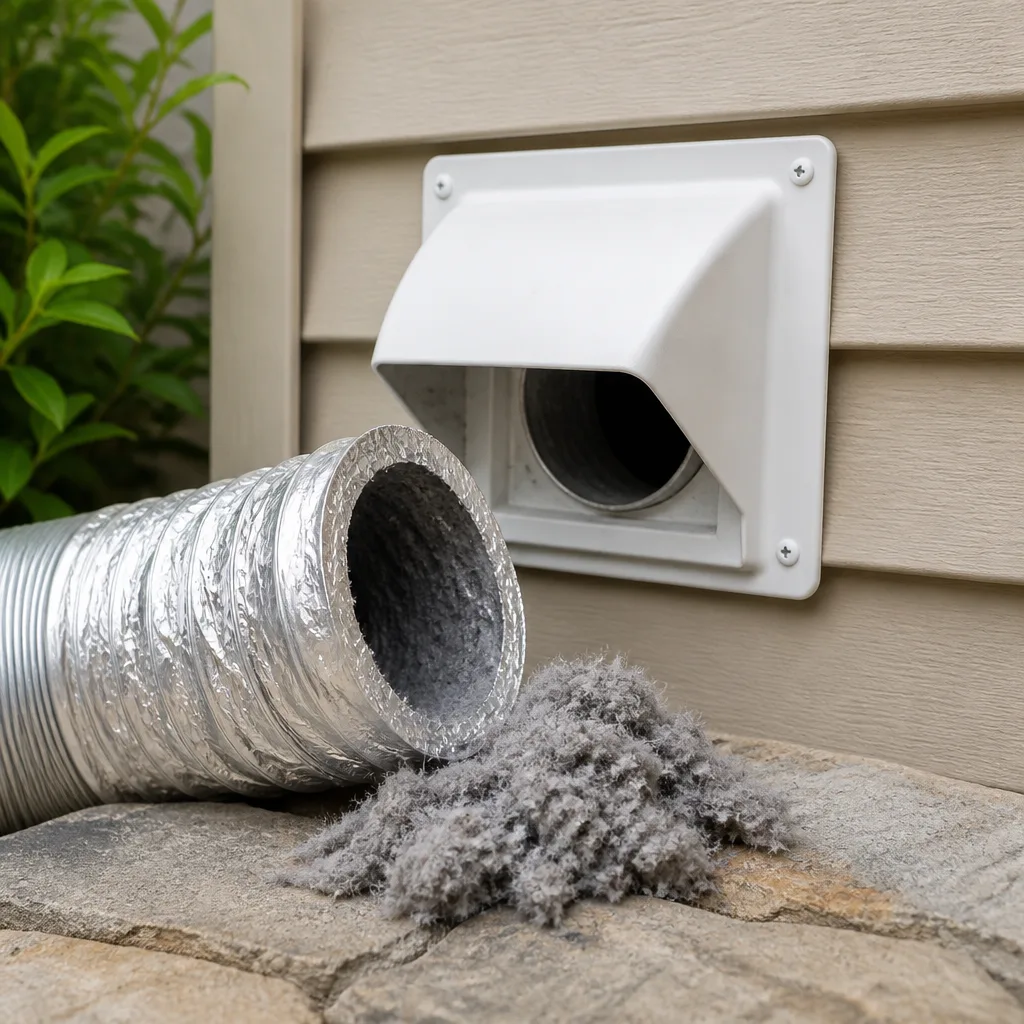 Dryer vent cleaning
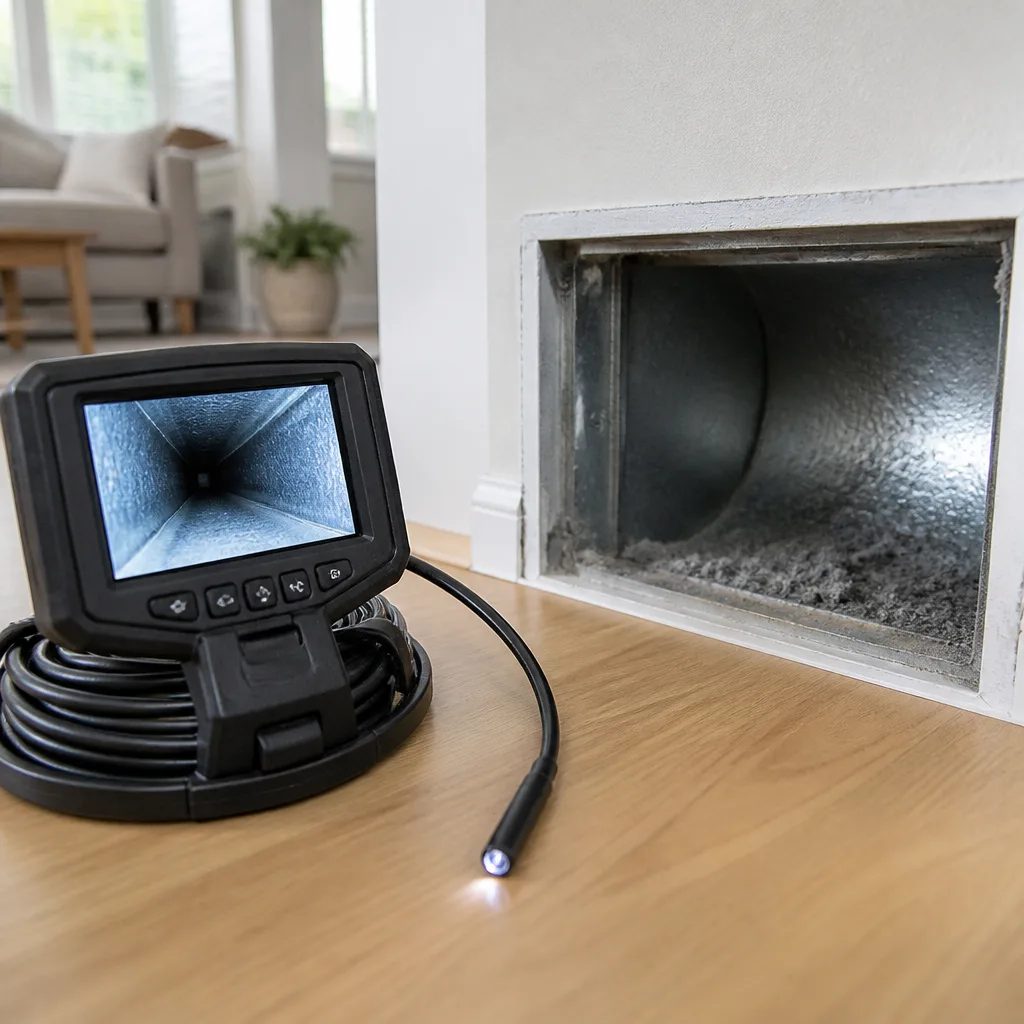 Camera inspection
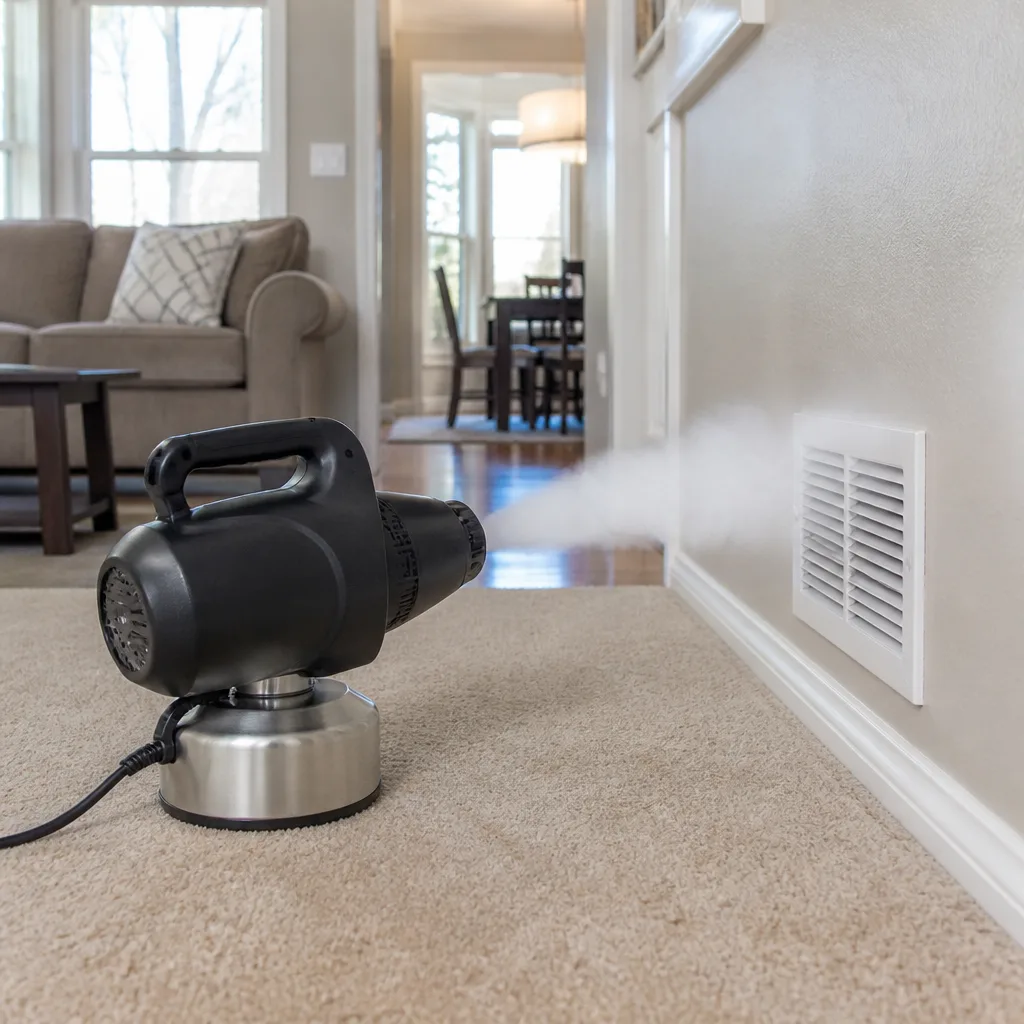 Sanitizing & deodorizing
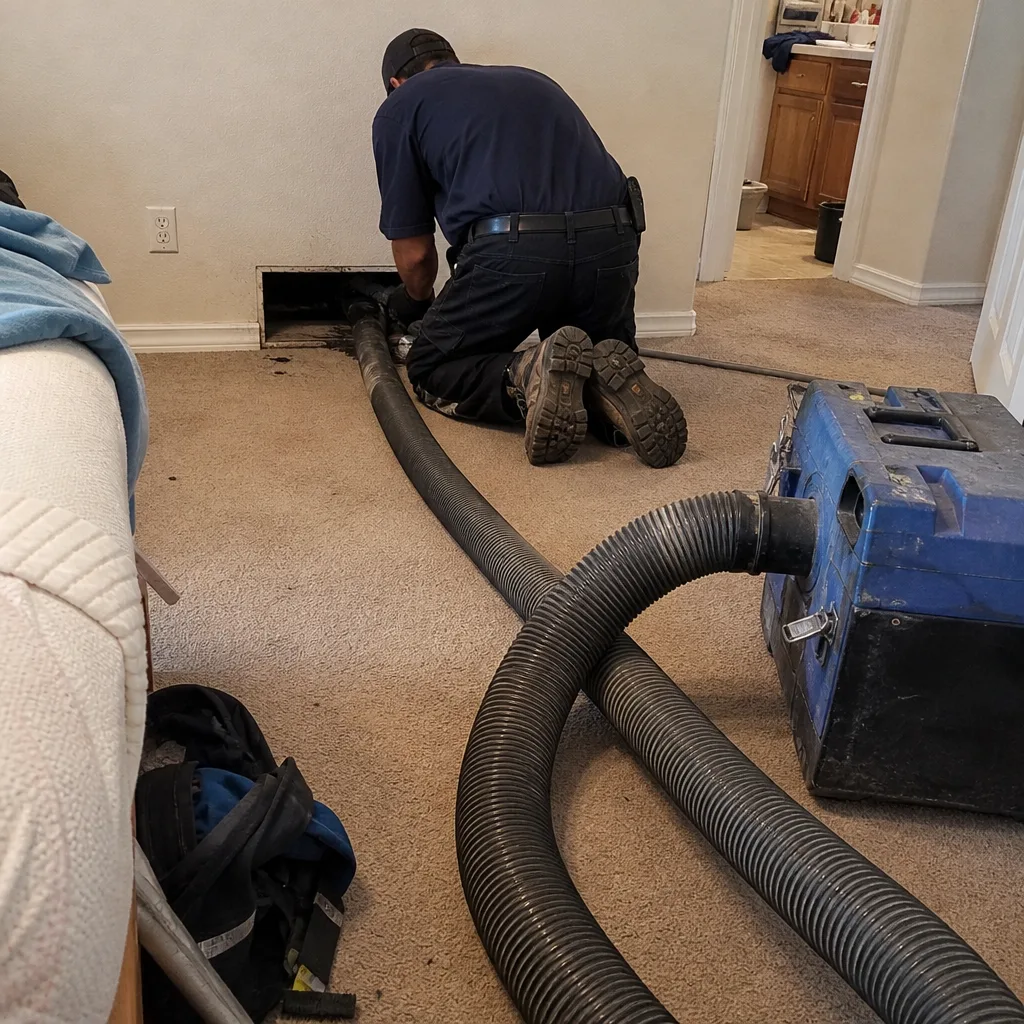
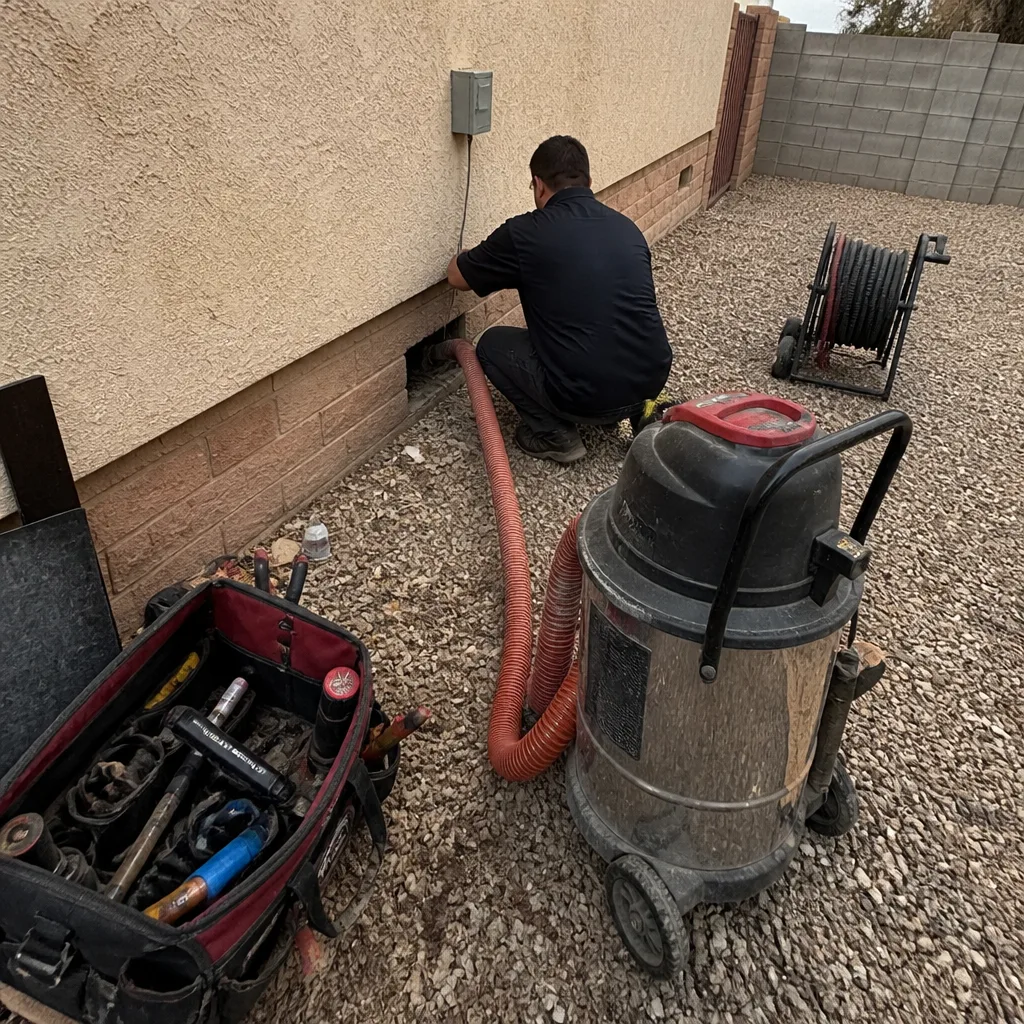
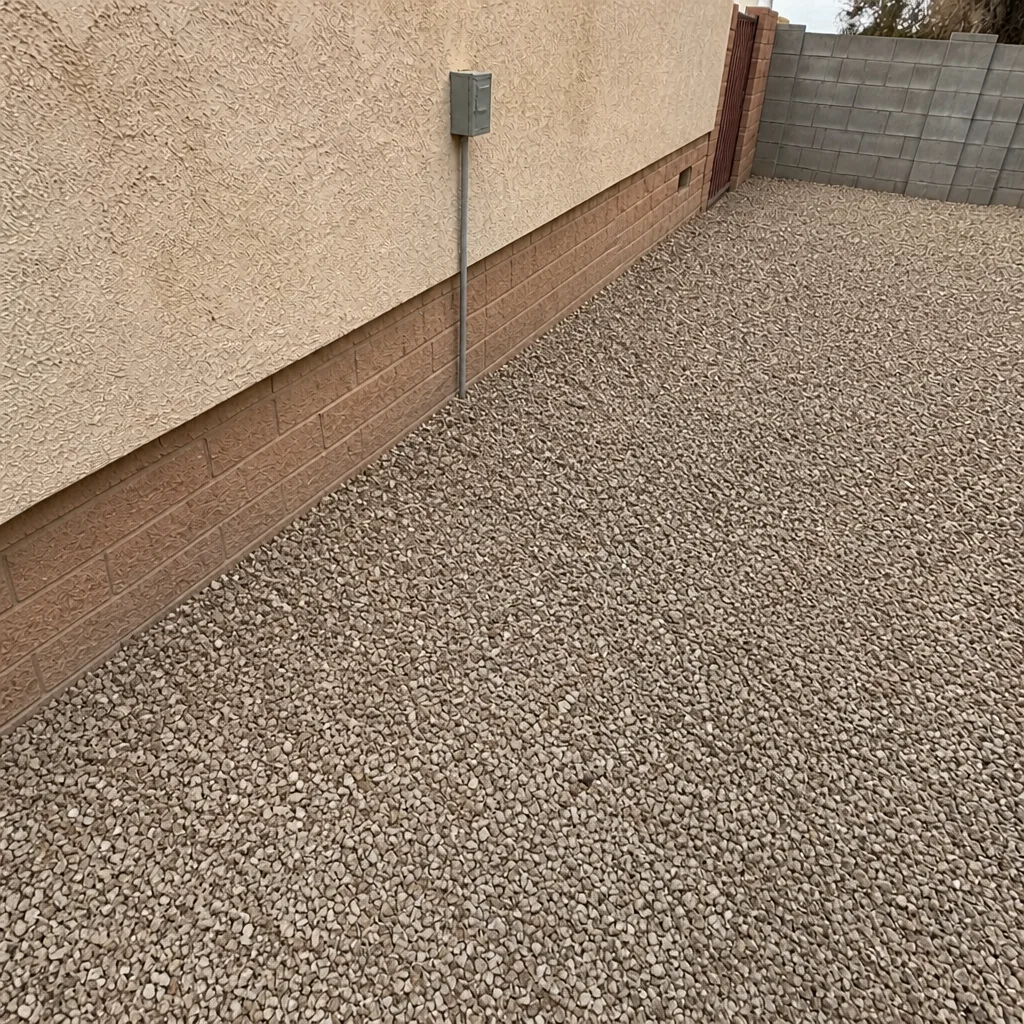
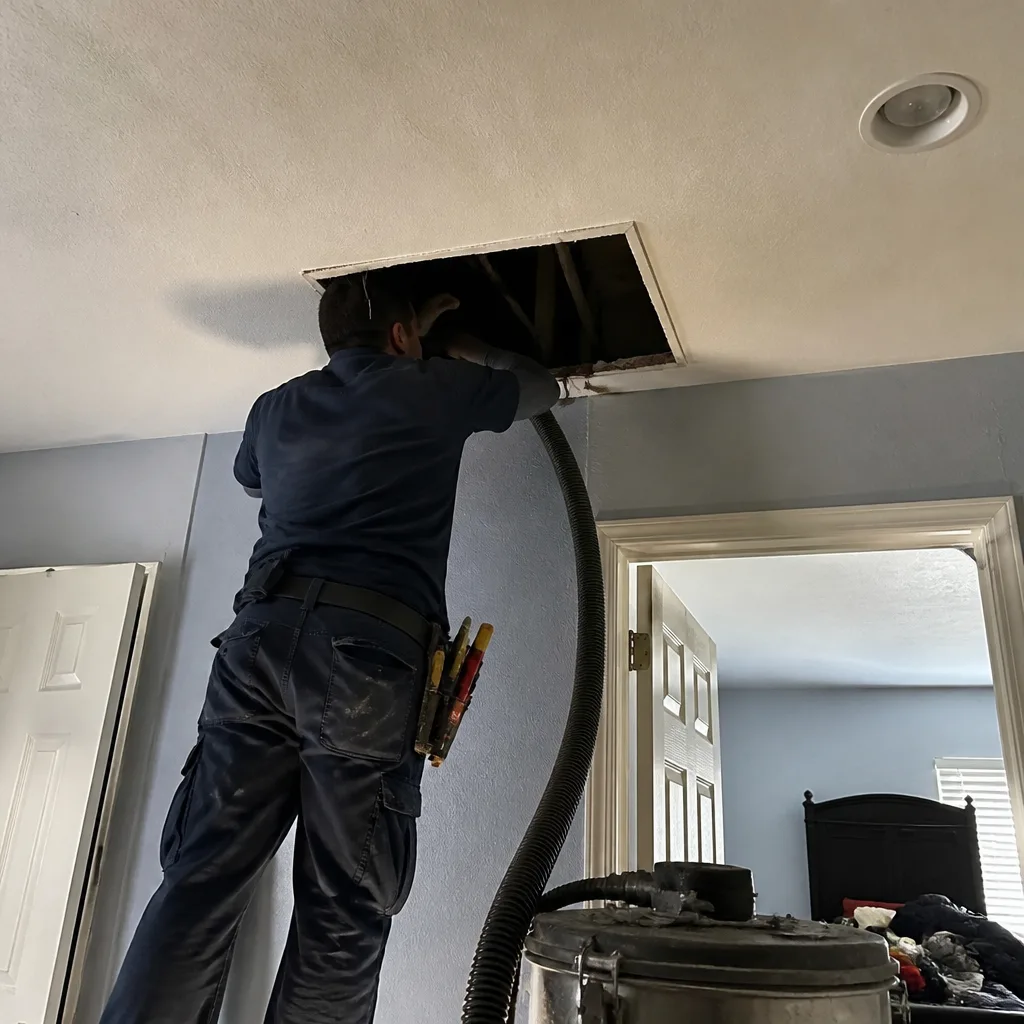
Whole-system duct and dryer vent check with before-and-after photos - you see exactly what came out of your vents
That "$99 whole-house special" is a bait ad - the real number appears once they are in your hallway, or the "clean" is a shop-vac at the register. We photograph the inside of your ducts before and after instead.
Air Duct Cleaning Maintenance Checklist for Sunrise Manor Homeowners
Changing your filter on schedule is not the same as maintaining your duct system. A clogged return plenum or a deteriorating flex duct joint can undo a year of clean filters in one dusty week, and in Sunrise Manor that dusty week arrives more often than most homeowners expect. The desert wind that moves through the valley carries fine sand and caliche dust that finds every gap in a duct run. This guide breaks maintenance into what you can genuinely check yourself, what requires a professional tool, and the exact red flags that should turn a routine inspection into a call. We’ll also show you what to log after each service so your maintenance history works for you later.
Quick Answer
A complete air duct maintenance routine for a Sunrise Manor home involves three tiers: monthly tasks you can do in minutes (filter checks, register inspections), semi-annual professional inspections of the accessible system, and a full professional cleaning every few years depending on dust load and system runtime. The single most important habit is logging what you find and what gets done, because that record tells the next technician exactly what your system has been through.
Styles & brands we work with
- Whole-home duct cleaning
- Dryer vent cleaning
- Camera inspection
- Sanitizing & deodorizing
Table of Contents
- Why Sunrise Manor Ducts Need Their Own Checklist
- Monthly Maintenance Tasks for Sunrise Manor Homeowners
- Semi-Annual Tasks: What to Check Twice a Year
- Annual Professional Inspection and Cleaning
- What You Can Check Yourself vs. What Needs a Professional Tool
- How to Read Your Registers and Return Grilles for Trouble Signs
- Building a Maintenance Log That Future Contractors Will Thank You For
- Red-Flag Conditions That Escalate a Check Into a Repair Call
Why Sunrise Manor Ducts Need Their Own Checklist
Generic duct maintenance advice was written for temperate climates with basements and moderate humidity. Sunrise Manor is none of those things. Homes here sit on slabs, most are single-story, and the cooling system runs hard for a long stretch of the year. That combination changes what fails first and how often you should be looking.
The dust load is the biggest difference. Fine desert particulate doesn’t settle the way household dust does in wetter climates. It stays airborne longer, gets pulled into the return, and coats the inside of duct walls with a layer that builds faster than most national maintenance schedules assume. When the wind picks up, that layer gets disturbed and redistributed through every register in the house.
Slab construction matters too. Without a basement or crawlspace, most of the ductwork in a Sunrise Manor home runs through the attic or inside wall chases. Attic runs take the full brunt of summer heat, which stresses flex duct joints and sealant over time. Access panels are fewer, so problems hide longer.
High-runtime cooling means the blower moves a large volume of air through the same system year after year. More air volume means more dust captured, more wear on flexible connections, and more opportunities for a small leak to grow. A maintenance checklist built for a Sunrise Manor home should reflect all three of these realities rather than a national average. If you want the full picture of what professional service looks like here, our air duct cleaning page covers the process end to end.
Monthly Maintenance Tasks for Sunrise Manor Homeowners
Monthly checks take under fifteen minutes and catch most developing problems before they affect air quality or your energy bill. Do these on the same day each month so the habit sticks.
- Inspect the filter. Hold it up to a light. If you can’t see through it, replace it. In Sunrise Manor, a filter that would last three months in a milder climate often needs attention sooner during dusty stretches. Note the date on the filter frame with a marker.
- Check every supply register. Run your hand over each one while the system is running. Weak airflow at one register usually means a disconnected or crushed duct, not a filter problem.
- Look at the return grille. A visible mat of dust and pet hair on the return grille means the return side is loading up faster than the supply side, which is common in homes with shedding pets and fine sand tracked in from outside.
- Listen at the air handler. A whistle, rattle or whoosh that wasn’t there last month can indicate a loose panel, a failing blower component or a partially blocked coil.
- Wipe a register boot edge. Run a white cloth along the inside lip of one supply boot. If it comes back gray-black with grit rather than light household dust, the duct interior is carrying a heavy particulate load.
None of these tasks require tools or training. What they do is build a baseline. After two or three months you’ll know what normal looks like in your home, and abnormal becomes obvious. Homes in the older sections of Sunrise Manor with original ductwork tend to show grit on the boot edges faster than newer construction.
Semi-Annual Tasks: What to Check Twice a Year
Twice a year, ideally before the heavy cooling season and again after it, set aside an hour for a closer look at the accessible parts of the system. These checks go beyond the monthly routine and often surface the issues that justify a professional visit.
- Remove and inspect accessible register covers. Look into the boot with a flashlight. You’re checking for debris accumulation, signs of moisture, and whether the duct connection to the boot is still sealed.
- Examine visible duct runs in the attic or garage. Look for disconnected flex duct, crushed sections, or tape that has dried and peeled. Attic heat in Sunrise Manor is hard on adhesive-backed tape and older mastic seals.
- Check the condensate drain and drain pan. Standing water or algae growth in the pan points to a drainage issue that can lead to moisture in the duct system. Moisture plus dust equals the conditions that support microbial growth.
- Inspect the outdoor condenser unit. Clear debris from around the unit and check that the fins aren’t packed with dust. A restricted condenser makes the whole system work harder and run longer.
- Walk the exterior for dryer vent termination. Confirm the exterior dryer vent flap opens freely and isn’t clogged with lint. This is a safety check as much as a maintenance one, and we cover the details on our dryer vent cleaning page.
If your semi-annual check turns up crushed or disconnected ductwork, don’t wait for the next cleaning cycle. Repair capability matters here, because a leak in the duct system pulls attic dust into the living space and defeats everything else on this checklist.
Annual Professional Inspection and Cleaning
Once a year, plan for a professional look at the full system. In many Sunrise Manor homes, that annual inspection becomes the moment you learn whether a cleaning is needed now or can wait another cycle. A technician with a duct camera can see things no homeowner can reach.
The inspection should cover the return plenum, the main trunk lines, the branch runs to each register, the air handler cabinet and the evaporator coil face. Ask for a before-and-after look at what was found. Professional-grade equipment like the systems from Rotobrush and Nikro does work that consumer vacuums can’t replicate, because it combines high-volume negative pressure with mechanical agitation inside the duct. That’s the difference between a surface wipe and an actual clean.
A full cleaning frequency of every two to four years fits most Sunrise Manor homes, but homes with pets, recent remodeling, or anyone with respiratory sensitivity may need it more often. If your home has never had the ducts cleaned and it’s more than a few years old, start with an inspection and let the findings set the schedule. Filtration upgrades from brands like Honeywell or Aprilaire can reduce how fast the system loads back up, and a technician familiar with those products can tell you whether your current setup is sized correctly for the return.
Yearly inspection is also when duct repair issues get caught. Small seal failures, loose joints and damaged sections are cheaper to fix when they’re found early. That’s a large part of why we offer cleaning and repair under one roof rather than sending you looking for a second contractor.
What You Can Check Yourself vs. What Needs a Professional Tool
Knowing the line between homeowner tasks and professional tasks saves you money and keeps you safe. Here’s the honest breakdown.
Tasks a homeowner can genuinely do
- Filter inspection and replacement
- Visual check of register and return grille surfaces
- Listening for unusual sounds at the air handler
- Checking the exterior dryer vent flap
- Cleaning debris from around the outdoor condenser
- Wiping register boot edges to gauge dust type
Tasks that need professional tools
- Duct camera inspection. A camera on a flexible reel sees inside the trunk lines and branch runs. You cannot evaluate duct interior condition by looking into a register boot.
- Pressure and airflow measurement. A technician with a manometer or flow hood can measure static pressure and register airflow. Low airflow with a clean filter signals a restriction or leak that only measurement reveals.
- Negative-pressure duct cleaning. Professional cleaning requires a vacuum source connected to the system plus agitation tools. Consumer shop vacuums don’t move enough air volume to pull the dust layer off duct walls.
- Sealing and repair of accessible and concealed duct runs. Reconnecting and sealing duct joints, especially in attic spaces, takes the right materials and safe attic access.
- Coil and plenum cleaning. The evaporator coil and return plenum are the highest-load areas in a Sunrise Manor system, and they’re not homeowner-accessible.
Stay out of the air handler cabinet and electrical compartments. Those areas carry shock and burn risk and should be opened only by a trained technician. Likewise, attic work in summer heat is a genuine hazard. If your system is due, the safest next step is booking an inspection.
How to Read Your Registers and Return Grilles for Trouble Signs
Registers and grilles are the windows into your duct system. Learning what different deposits look like tells you what’s happening inside without opening anything.
Fine tan or reddish grit is the signature of desert particulate. Caliche dust and fine sand get pulled in through the return and distributed through the supply side. If you’re seeing this on boot edges within a month of cleaning, the dust load is high and the return may need a closer look.
Gray-black soot-like residue on a register or near the air handler suggests combustion byproducts. Have this evaluated promptly. It can point to a backdrafting issue with gas appliances.
Pet dander accumulation looks like gray fuzz and clings to the return grille rather than the supply registers. Homes with multiple pets tend to see this within weeks, and it’s a strong signal that filter efficiency and cleaning frequency both need review.
Dark streaks around register frames point to air leaking past the boot-to-drywall gap. That’s a sealing issue as much as a cleanliness one, and it’s a common finding in Sunrise Manor homes where the original sealant has aged.
Moisture or staining on a register or nearby drywall is a stop-and-call condition. Water in a duct system supports microbial growth and often traces back to a condensate problem or a roof leak.
If you find yourself seeing the same deposit pattern month after month no matter what you do, that’s information. It usually means the source is upstream in the return or in the duct interior itself, and a professional inspection is the fastest way to find out. A Kingsley Air Duct Cleaning technician can map the system and tell you what’s driving the pattern.
Building a Maintenance Log That Future Contractors Will Thank You For
A written maintenance history is one of the most useful things you can keep as a homeowner. When a technician arrives and can see what was done, when, and what was found, the whole visit gets more focused and you avoid paying for repeat diagnostics.
Keep a simple log anywhere you’ll actually use it, a notebook in the utility closet or a note on your phone. After each professional visit and each monthly self-check, record the following:
- Date and what was done. Filter change, inspection, cleaning, repair. Be specific about which part of the system was serviced.
- Findings. What the technician reported seeing. Dust type, debris levels at the return plenum, condition of flex duct joints, any leaks found.
- Photos. Request before-and-after photos of your own ducts. Legitimate work shows evidence, and those photos become part of the log for comparison next time.
- Repairs made. Which joints were resealed, which duct sections were replaced, and what materials were used.
- Products installed or referenced. If your system uses a Honeywell or Aprilaire filter housing, note the model and the filter part number so replacements are exact.
- Next recommended service date. Ask the technician what interval they recommend for your specific system, and write it down.
Future contractors will use this log to skip guesswork. It also protects you if you sell the home, because a documented maintenance history shows the system was cared for. Homeowners across Sunrise Manor who keep this kind of record tend to catch problems earlier and spend less overall.
Red-Flag Conditions That Escalate a Check Into a Repair Call
Some findings shouldn’t wait for the next scheduled cleaning. These are the conditions that justify booking a professional visit right away.
- Visible disconnected or crushed duct. This pulls attic dust and insulation fibers into the living space. It’s a health and efficiency issue.
- A burning or musty smell from vents. Burning suggests a combustion or electrical problem. Musty points to moisture and possible microbial growth.
- Sudden drops in airflow at multiple registers. If the filter is clean and airflow is still weak, you likely have a duct restriction or a blower problem.
- Visible dark streaks around register frames worsening over time. Sealant failure is growing.
- Dryer taking two cycles to dry clothes, or a hot dryer exterior. Lint accumulation in the dryer vent is a documented residential fire risk. Stop using the dryer and call for service.
- Pest activity in the ductwork. Rodent droppings or nesting material in a duct system requires professional removal and cleaning.
- Anyone in the household experiencing new respiratory symptoms indoors. It may be unrelated, but it’s worth ruling out the air system.
We’d add one more: if your last professional cleaning was more than a few years ago and you can’t remember who did it or what was found, treat that as a red flag for inspection. In our experience, homes in Sunrise Manor that sit out several cleaning cycles develop compounding issues that a single visit fixes easily.
Common Mistakes to Avoid
- Using the highest-MERV filter you can find. A filter too restrictive for your blower can cause airflow problems and coil freezing. Match the filter to your system’s rated capacity. An Aprilaire or Honeywell housing is made for specific filter grades, so follow the spec.
- Assuming a clean filter equals clean ducts. Filters capture what reaches them. They can’t clean what has already settled in the duct walls, and a dusty return plenum loads up regardless of filter condition.
- Skipping the return side during self-checks. Most homeowners check registers and forget the return grille. In a dusty climate, the return side loads up first.
- Ignoring the dryer vent. Lint accumulation in a dryer vent is a documented residential fire risk, not an aesthetic concern. It belongs on the same maintenance schedule as the supply ducts.
- Hiring a low-bid cleaner without asking about equipment. A shop vacuum and a shop rag won’t remove a bonded dust layer. Ask what brand of equipment will be used. Professional-grade Rotobrush and Nikro systems are the right baseline.
- Not taking before-and-after photos. If you can’t see evidence of what was removed, you have no proof anything was done. Ask for photos of your own ducts.
- Neglecting to seal small duct leaks. A small leak pulls dust-laden attic air into the system. In Sunrise Manor, that attic air is loaded with fine particulate, so leak sealing pays back quickly.
See the difference
 Before
 After
 Before
 After
 Before
 After
When to Call a Professional
Book a professional visit if you’re seeing any red-flag condition, if your annual inspection is overdue, or if you simply don’t know when the ducts in your home were last cleaned. Call us if a semi-annual check uncovers crushed or disconnected duct, if you’re noticing persistent dark streaks around registers, or if your HVAC technician has flagged airflow problems you haven’t resolved. Dryer vent lint buildup is a separate reason to call, and it’s worth treating urgently. Kingsley Air Duct Cleaning offers free estimates in Sunrise Manor. Call (844) 719-0477. We answer 24/7. Fast dispatch from 7am to 7pm, Sunday through Friday. Our technicians have up to 13 years of experience and use professional-grade Rotobrush and Nikro equipment on every job. Estimates are free, and the price is set per job by the written estimate before any work starts.
Frequently Asked Questions
Every two to four years fits most Sunrise Manor homes, but the dusty climate here means homes with pets or recent remodeling often need it more often. If you’ve never had them cleaned, start with a professional inspection and let the findings set your schedule. Call (844) 719-0477 for an exact quote – estimates are free.
You can do monthly filter checks, register inspections, and exterior dryer vent checks yourself. Duct interior inspection, pressure measurement, and full cleaning require professional tools. Removing the register covers to look into the boot is fine, but don’t open the air handler cabinet or work in the attic during summer heat. Call (844) 719-0477 to book an inspection – estimates are free.
Yes. The fine caliche dust and sand that blow through the valley load filters faster than in milder climates. Check your filter monthly, and replace it whenever you can’t see light through it. A filter housing rated for a specific grade, like a Honeywell or Aprilaire unit, helps you pick the right replacement. Call (844) 719-0477 for an exact quote on cleaning – estimates are free.
Because the return side pulls in the fine particulate that’s in the air, so it accumulates first. In desert climates, the return plenum often loads faster than the supply ducts. That’s why we inspect the return side on every visit. Call (844) 719-0477 for an inspection – estimates are free.
Ask for before-and-after photos of your own ducts. Legitimate cleaning produces visible evidence of what was removed, and those photos belong in your maintenance log. If a company can’t show you, that’s a problem. Call (844) 719-0477 for an exact quote – estimates are free.
Low quotes often skip the return side, don’t use high-volume negative pressure equipment, and price per vent instead of per system. Ask what equipment will be used and whether the return plenum is included. We work on one flat price per system, agreed before work starts. Call (844) 719-0477 – estimates are free.
The Bottom Line
Maintaining your duct system in Sunrise Manor is a three-tier routine: monthly filter and register checks you can do yourself, semi-annual inspections of accessible duct runs and the dryer vent, and an annual professional visit that includes duct camera inspection and pressure measurement. Log everything, take photos, and treat the red-flag conditions in this guide as calls to make now rather than later. The dust load, slab construction, and long cooling season here make maintenance more consequential than in most climates. If you’re due, get ahead of it with a free estimate from Kingsley Air Duct Cleaning. Call (844) 719-0477. We answer 24/7. Fast dispatch from 7am to 7pm, Sunday through Friday.
Written by the team at Kingsley Air Duct Cleaning.