
Last updated November 15, 2026
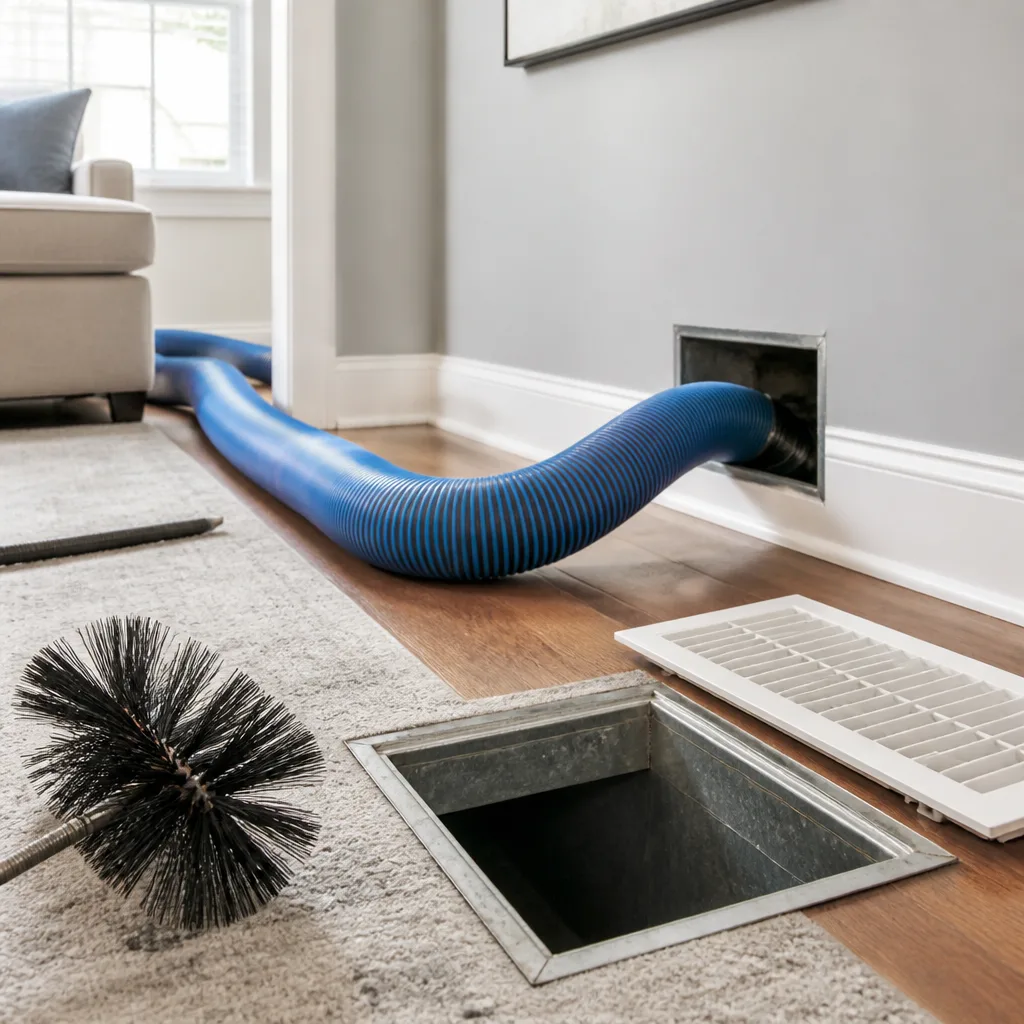 Whole-home duct cleaning
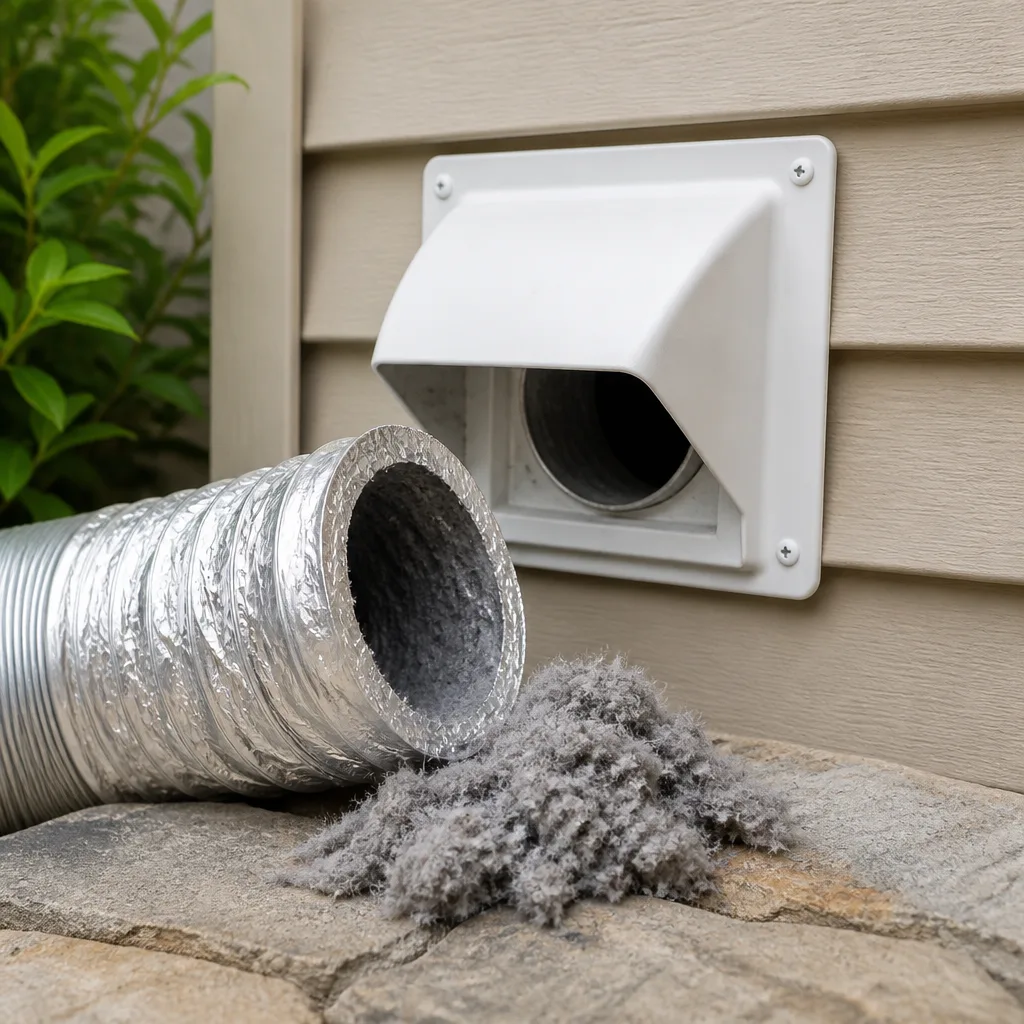 Dryer vent cleaning
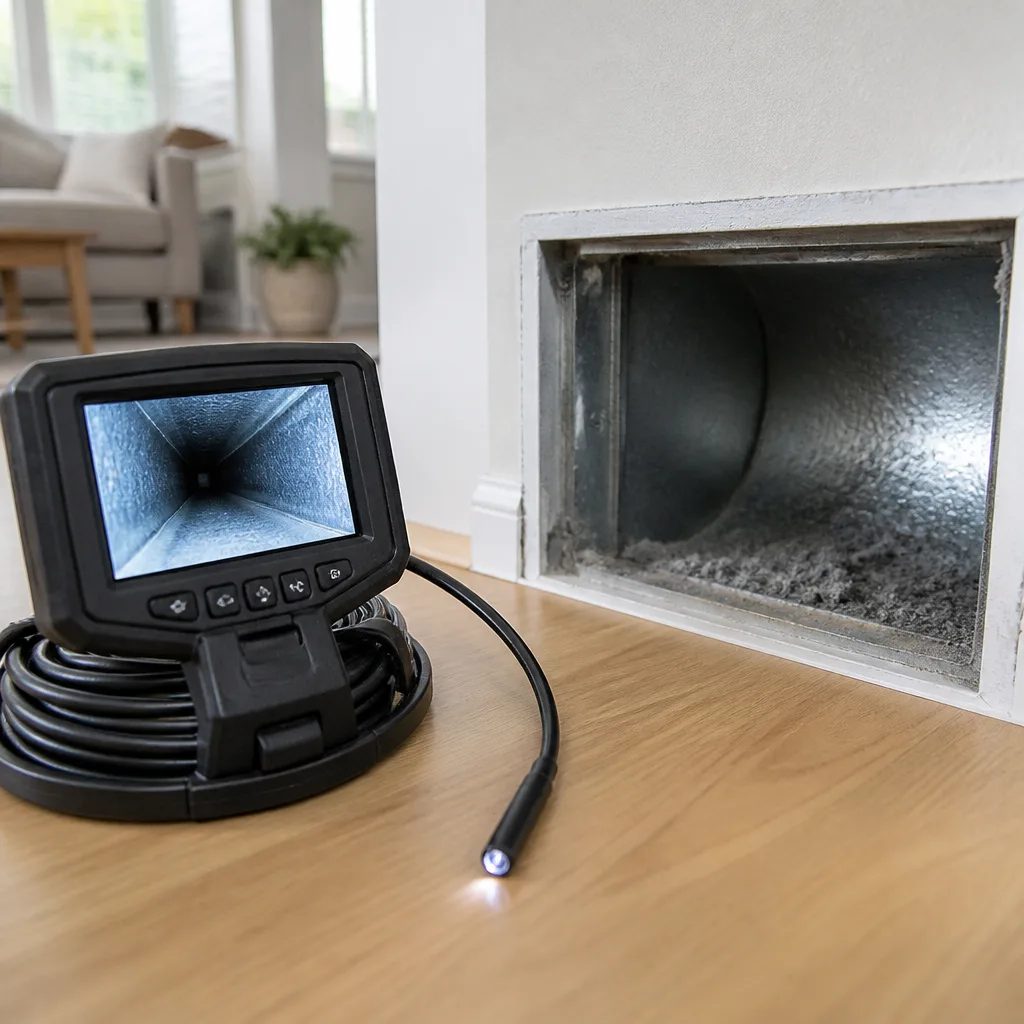 Camera inspection
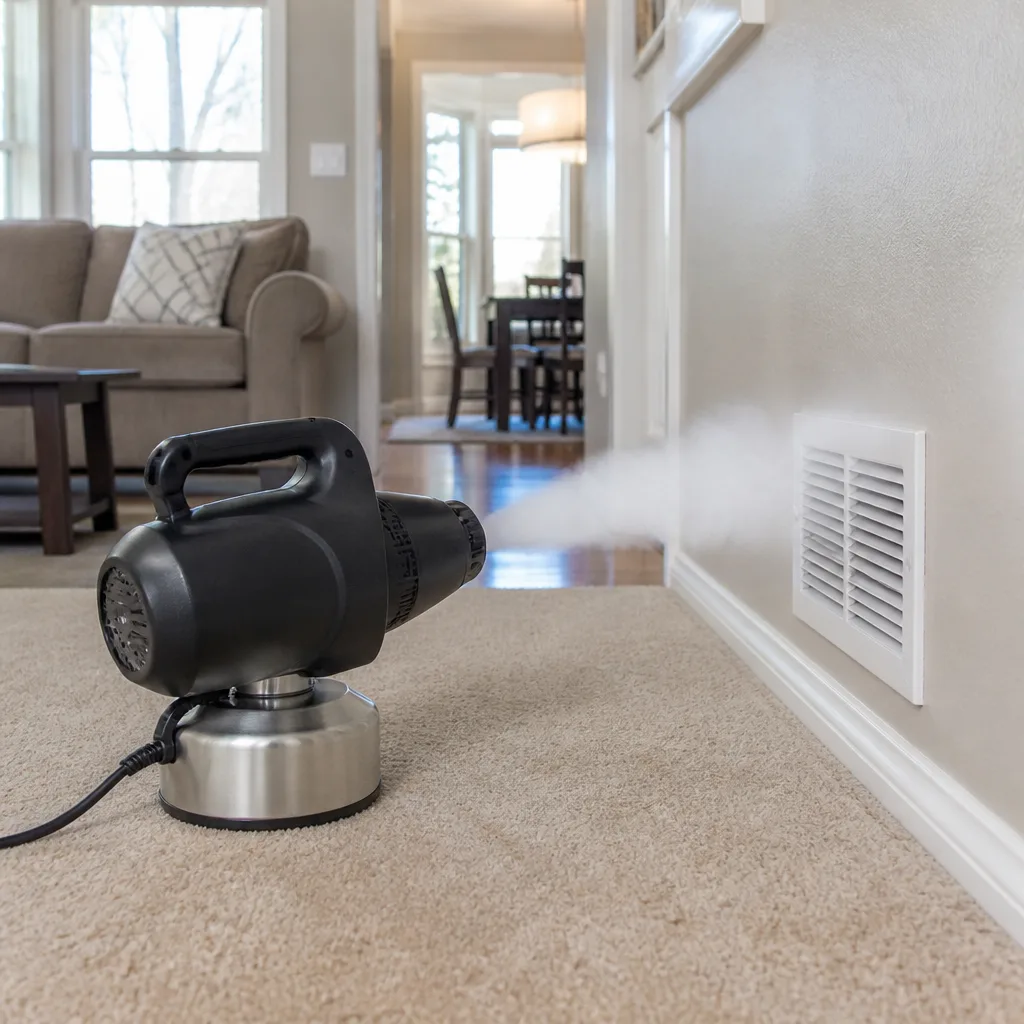 Sanitizing & deodorizing
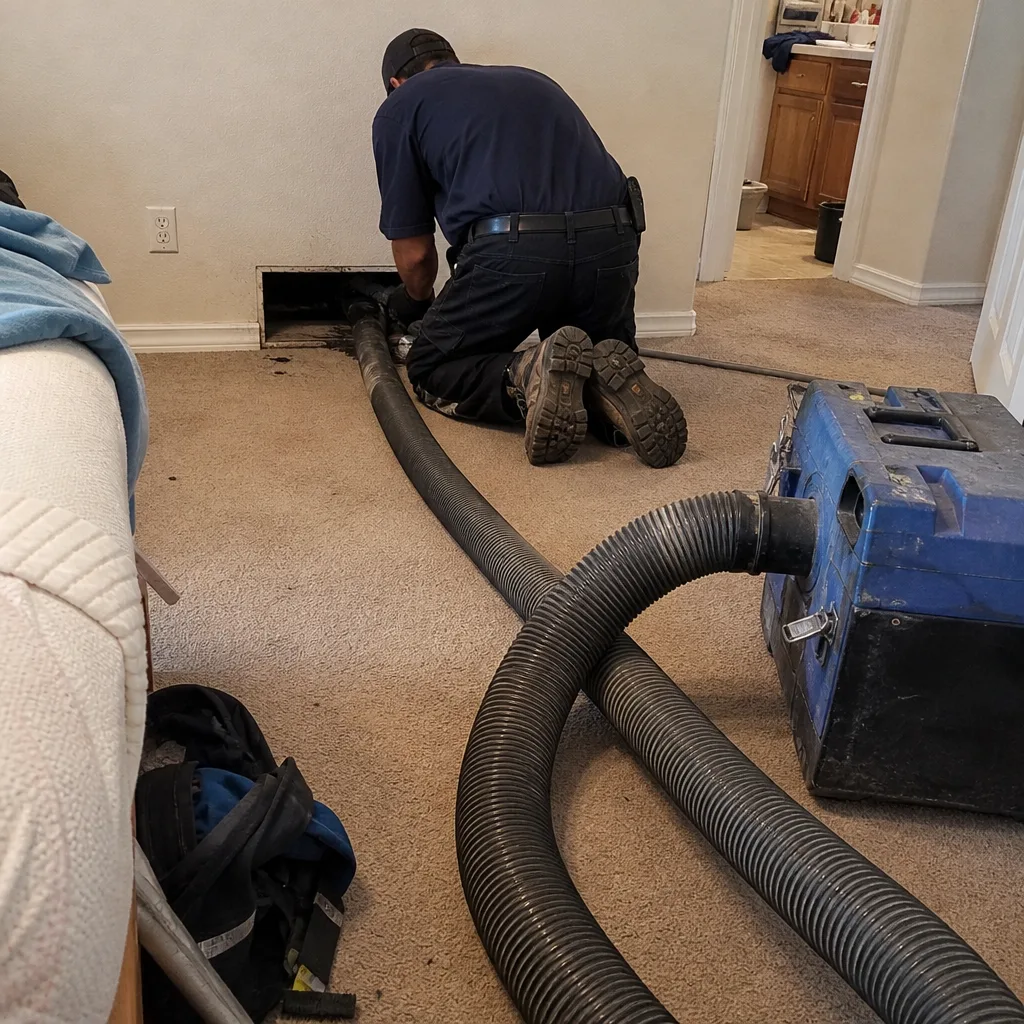
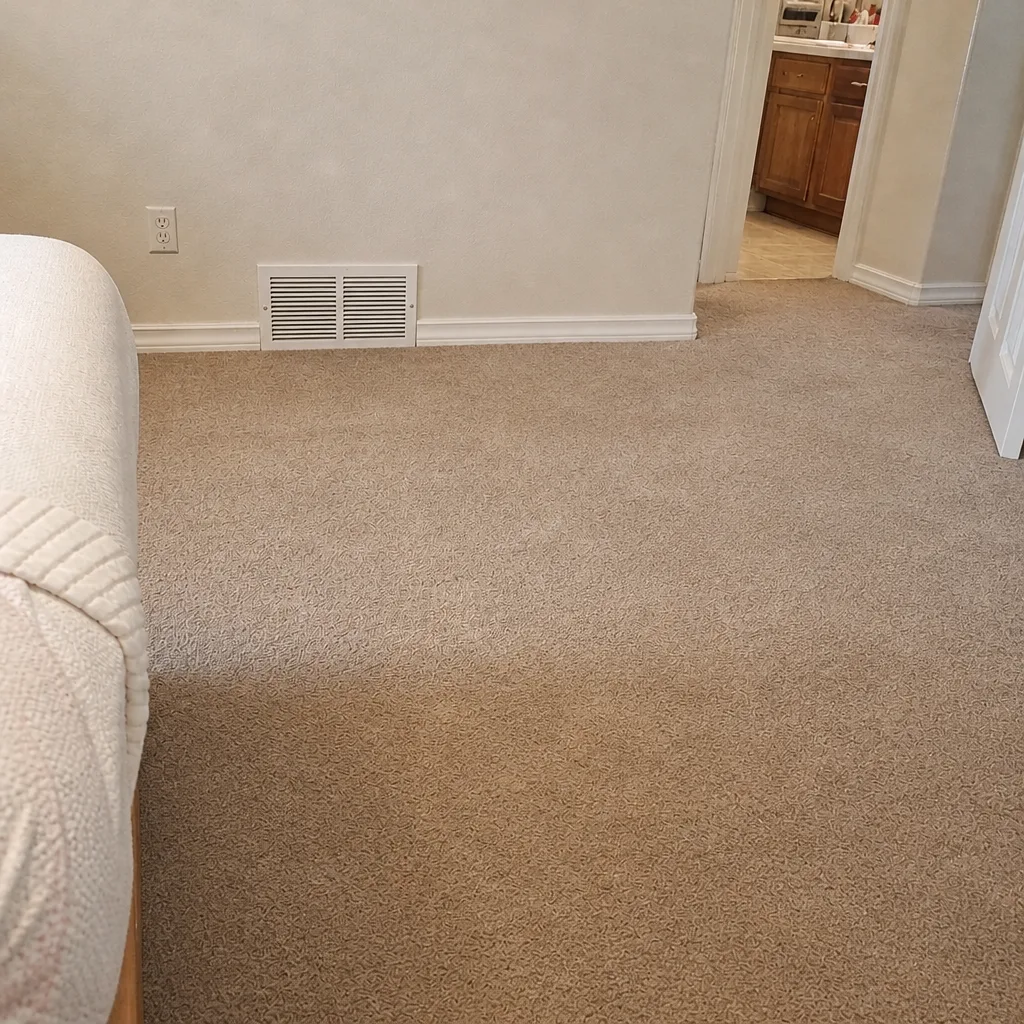
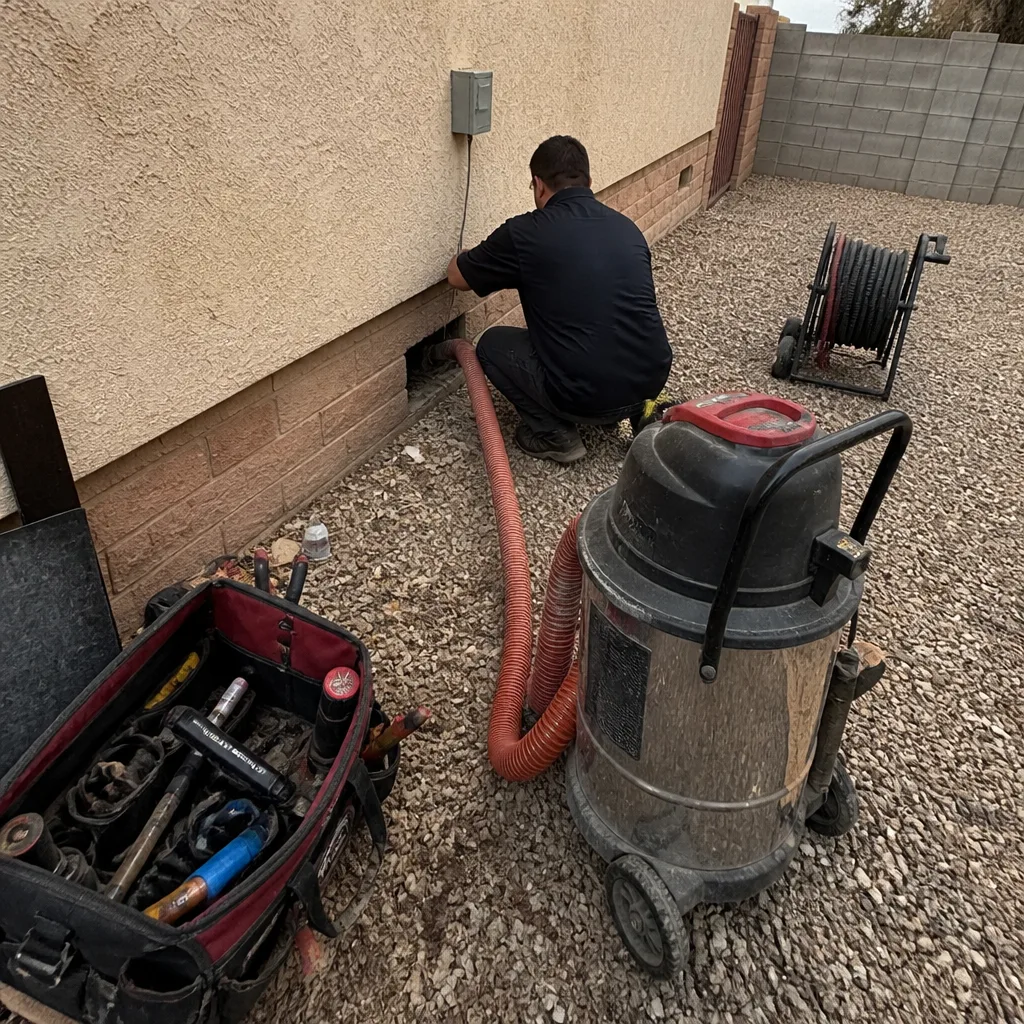
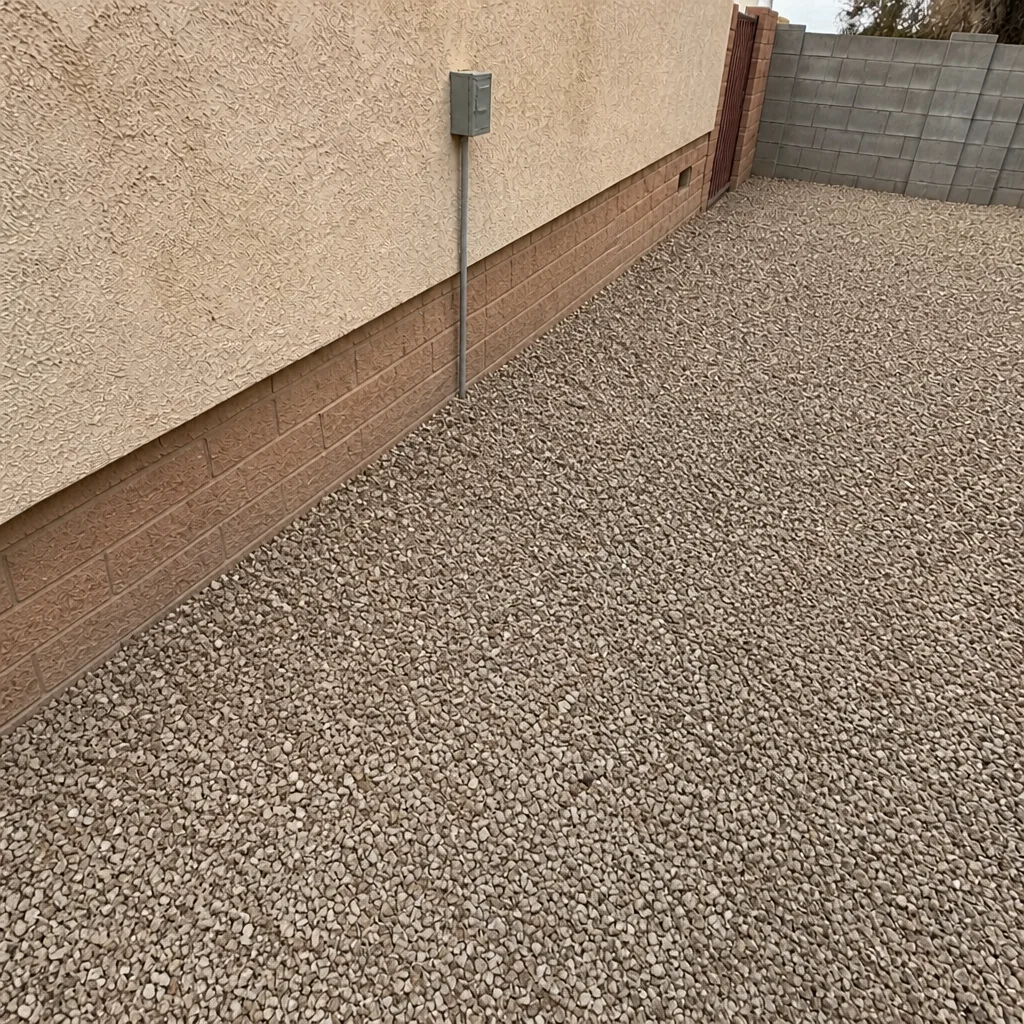
Whole-system duct and dryer vent check with before-and-after photos - you see exactly what came out of your vents
That "$99 whole-house special" is a bait ad - the real number appears once they are in your hallway, or the "clean" is a shop-vac at the register. We photograph the inside of your ducts before and after instead.
Air Duct Cleaning Permits, Codes & Inspections in Sunrise Manor, NV: What You Need to Know
Most homeowners assume the question of permits never comes up when they book a duct cleaning. That assumption is half right, and the half that’s wrong is where people get into trouble. Cleaning the inside of your existing ductwork is maintenance, and maintenance doesn’t need a permit. But the moment a technician cuts out a collapsed section of flex duct, seals a leaking joint with mastic, or changes the shape of a plenum, you’ve crossed from cleaning into mechanical work, and the regulatory picture changes. In Clark County, if that structural work happens without a permit, the liability for it sits with you, the property owner, not the contractor who packed up and left. This guide explains exactly where that line falls, which Nevada contractor classifications apply to duct cleaning versus duct repair, how to pull a permit history on your Sunrise Manor property, and what inspection triggers to watch for.
Quick Answer
Routine air duct cleaning in Sunrise Manor and the rest of Clark County does not require a building permit, because it doesn’t alter the structure of the system. Structural work on ductwork, including replacing duct sections, sealing joints, or modifying a plenum, may require a mechanical permit and inspection under Clark County building code. Duct cleaning and duct repair also fall under different Nevada State Contractors Board classifications, so it’s worth confirming which one the company you hire actually holds before any structural work begins.
Styles & brands we work with
- Whole-home duct cleaning
- Dryer vent cleaning
- Camera inspection
- Sanitizing & deodorizing
Table of Contents
- Where does cleaning end and mechanical work begin?
- Nevada contractor classifications for duct cleaning versus duct repair
- How to pull a permit history on your Sunrise Manor property
- What NADCA ACR 2021 requires, and how it fits local code
- When Clark County would require a mechanical inspection
- Why Sunrise Manor’s desert climate and housing stock matter here
- How to vet a duct contractor in Sunrise Manor
- Questions to ask before anyone touches your ductwork
Where does cleaning end and mechanical work begin?
The dividing line is whether the physical structure of the duct system changes. Cleaning removes debris from inside ducts that stay exactly where they are. Mechanical work alters the system itself: replacing a run of flex duct, cutting in a new register boot, resealing a plenum connection, or re-routing a section to fix a pressure problem. The first is maintenance. The second is construction, and in Clark County construction on mechanical systems is what the building code and its permitting process exist to govern.
Here’s how to think about the two categories side by side:
- Cleaning (generally no permit): source removal of dust and debris using negative-pressure equipment and agitation tools, sanitizing the interior of existing ducts, cleaning the blower compartment and coil face as part of access.
- Mechanical work (permit may apply): removing and replacing duct sections, sealing duct joints with mastic or tape beyond surface cleaning, modifying plenum boxes, adding or relocating registers, changing duct sizing.
The reason this matters so much in a place like Sunrise Manor is the housing stock. A large share of the community’s homes are older, single-story construction with long attic duct runs, and attic flex duct in a desert climate takes a beating. UV exposure, extreme summer attic temperatures, and years of thermal cycling make flex duct brittle. A technician who’s up there cleaning will find crushed and torn sections. The best of them will tell you about it and explain the options, including whether the fix requires a permit. The worst will quietly swap a section without mentioning it, and you won’t know until a future inspection or a home sale surfaces the gap. When we perform air duct cleaning in this part of the valley, our technicians document what they find before anything is touched, so the homeowner decides what happens next rather than discovering it after the fact.
One practical note: it’s entirely normal for a cleaning visit to uncover work that should have been permitted but wasn’t. Older Sunrise Manor homes change hands, get remodeled, and sometimes get duct modifications from well-meaning handymen. The permit history check described below is how you find out before you’re the owner on record.
Nevada contractor classifications for duct cleaning versus duct repair
Nevada licenses contractors by classification through the Nevada State Contractors Board, and the classification that covers cleaning is not automatically the same one that covers structural duct repair. That distinction is the single most overlooked issue in this trade, and it’s the one homeowners are least equipped to check because the two services get marketed under one banner.
In broad terms, duct cleaning is a maintenance service. Structural duct repair is construction work on a mechanical system, which falls under the classifications that cover mechanical and HVAC work. A company that cleans ducts well may not hold the classification required to perform structural repairs, and some companies work around this by subbing the repair out or by simply doing it anyway. Neither is your problem to manage, provided you ask the question up front.
What to check before you hire:
- Look up the company by name on the Nevada State Contractors Board license search. Every licensed contractor’s classification and status are public there.
- Ask which classification the company holds, and whether it covers the specific work being quoted. Cleaning and repair may need different answers.
- If a repair is being quoted, ask whether the company will pull the permit itself or whether that’s your responsibility.
- Get the scope in writing before work starts, distinguishing cleaning from any structural work.
The reason we handle all three services under one roof, dryer vent cleaning included, is that the alternative is fragmented. A cleaning company finds a torn duct, tells the homeowner to call an HVAC contractor, the homeowner calls someone else, and the whole cycle restarts. A company that can perform both cleaning and repair holds the qualifications for both and the permit question gets resolved in one conversation. That’s the logic behind our Kingsley Air Duct Cleaning approach, built around the full scope of the air system rather than one task within it.
How to pull a permit history on your Sunrise Manor property
Clark County maintains permit records for unincorporated areas, and Sunrise Manor sits in unincorporated Clark County, so the county is your source. A permit history pull tells you what’s been formally permitted on the property, what inspections were recorded, and what was done without records at all. For a homeowner buying or preparing to modify ductwork, this is worth doing before work begins.
The general process, in order:
- Find your parcel number. It appears on your recorded deed, your property tax bill, or through the county assessor’s parcel search.
- Use the Clark County permit records system for the property address or parcel number.
- Review the results filtered to mechanical permits specifically. HVAC installs, duct modifications, and plenum work should appear there if they were permitted.
- Note any open permits. An open permit with no final inspection recorded can complicate a future sale or a new permit application.
- If records are missing for work you know was done, ask the county what documentation exists. Older Sunrise Manor properties sometimes have gaps in digital records that require a records request.
What the history actually tells you is what’s been inspected, not what’s been done. A duct run replaced in an attic without a permit leaves no record. That’s why a physical inspection of the duct system alongside the permit history gives you the whole picture. Our technicians look at duct condition, joints, insulation, and connections during a cleaning visit, and if what we see doesn’t match what the permit history suggests, we’ll say so plainly and put it in writing.
What NADCA ACR 2021 requires, and how it fits local code
NADCA is the National Air Duct Cleaners Association, and its ACR 2021 standard is the assessment, cleaning and restoration guideline the industry works from. It’s not building code and it doesn’t override Clark County code; what it does is set the procedural expectations a competent contractor follows, which is what an inspector, a real estate professional, or a properly skeptical homeowner will compare against.
In broad terms, ACR 2021 addresses:
- Assessment of the system before cleaning, so the scope is based on observed condition rather than a blanket assumption.
- Source removal, meaning contaminants leave the system rather than being blown around inside it.
- Use of negative-pressure equipment and agitation tools appropriate to the duct material.
- Protection of the occupied space during cleaning.
- Post-cleaning verification and documentation.
Where the interaction with local code matters is the restoration step. ACR 2021 includes restoration of components disturbed during cleaning, which sounds procedural but is legally significant in Clark County. If a technician cleaning a duct disconnects a section to reach beyond it and fails to reconnect it properly, that’s a functional alteration. If they replace a damaged section outright, that’s a structural repair and the permit question in the prior sections applies. A company that treats restoration as within its scope has thought about this. A company that cleans fast and leaves the ductwork in worse condition than it found it hasn’t.
This is where equipment and training show. NADCA’s standards assume contact vacuuming with HEPA filtration, rotary agitation tools sized to the duct, and negative-pressure containment. Professional-grade systems like Rotobrush and Nikro are built for this work. We run that equipment on every job, and we work with air-quality hardware from Honeywell and Aprilaire when filtration or humidity control is part of the solution, which it often is in a desert climate.
When Clark County would require a mechanical inspection
Inspection is tied to the permit. If a permit was pulled for mechanical work on the duct system, a county inspection is part of closing that permit out. No permit, no inspection, which is exactly why the permit question in the first section is the one that carries the most weight. The general triggers for a mechanical inspection on duct-related work involve changes to the system’s configuration, not its cleanliness.
The triggers, broadly:
- Installation or replacement of duct runs, including flex duct sections.
- Modification of a plenum or air handler connection.
- New or relocated registers and boots that involve cutting into the building structure.
- Duct system changes made as part of an HVAC equipment replacement.
- Alteration of duct sizing or routing that affects system performance.
What that means for a Sunrise Manor homeowner is straightforward. If a cleaning visit turns up a crushed section of attic flex duct and the fix is replacement, expect the mechanical permit process to be in play. If the fix is resealing an existing joint that’s leaking but structurally sound, the picture is quieter. The honest way to answer the question is to have someone look at the actual condition, tell you which category the work falls into, and put it in writing. That’s what we do before we quote any repair. Our technicians have up to 13 years of experience working in desert attic conditions, and they know what a repairable joint looks like versus a section that’s gone.
One more note for anyone buying a home in Sunrise Manor: your home inspector will typically look at the HVAC system but won’t disassemble ductwork. A dedicated duct inspection is a separate step, and it’s worth commissioning before you close.
Why Sunrise Manor’s desert climate and housing stock matter here
Location shapes the answer to permit questions more than most homeowners realize. Sunrise Manor sits in the Las Vegas Valley, in unincorporated Clark County, with the kind of summer heat and dry air that make the duct system work hard. Attic temperatures in the valley routinely push high enough to cook flex duct, and the daily swing between blistering daytime and cooler nights does the rest. Duct systems here fail in specific, predictable ways: joints separate, flex duct sags and crushes under its own weight over long spans, insulation degrades and flakes off, and mastic dries and cracks.
That pattern matters for this guide because the failures most likely to require structural work here are exactly the ones that cross the permit line. A crushed duct in a Sunrise Manor attic that’s restricting airflow is not a maintenance issue; replacing it is mechanical work. A leaky joint that’s blowing conditioned air into the attic is often fixable by sealing, which sits in a grayer zone. Knowing which failure you’re looking at is the whole game.
The housing stock reinforces it. Sunrise Manor grew outward over decades, and the community’s homes span a wide range of ages. Older properties may have original duct systems that have already been patched once or twice, often without records. Newer ones may have been built during a period when flex duct was the default in valley construction. Both benefit from the same approach: get a real inspection, understand what you’re working with, and know which pieces of the system are structural and which aren’t. Sunrise Manor homes deserve a contractor who treats the whole air pathway as a system, from the air handler through the ducts to the registers, rather than working one section at a time.
How to vet a duct contractor in Sunrise Manor
The good news is that vetting a duct contractor doesn’t require any technical knowledge. It requires asking questions in the right order and observing whether you get specific, verifiable answers. A company that works with professional-grade equipment and holds the right classifications to perform both cleaning and repair talks about these things easily. A company that doesn’t won’t.
The vetting sequence, in order:
- Verify the license on the Nevada State Contractors Board site. Look for the classification and active status.
- Ask what equipment they use. “A shop vac” is not a professional answer. Rotobrush and Nikro are the names to listen for.
- Ask what happens if they find a structural issue during cleaning. A good contractor explains the repair, tells you whether it needs a permit, and puts the scope in writing.
- Ask whether they pull permits themselves for repair work, or leave it to you.
- Ask what documentation you receive afterward. Before-and-after photos of your own ducts are the standard.
What separates the contractors who pass this test from the ones who don’t is rarely equipment alone. It’s whether the company has thought about where cleaning ends and repair begins, and whether it will tell you the difference honestly. We’ll do that every time, because a homeowner who understands what’s being done is better positioned to make the call. That’s also why we offer air duct repair alongside Sunrise Manor duct cleaning: the alternative of shipping you to a separate HVAC contractor mid-job creates the exact gaps this guide is trying to close.
Questions to ask before anyone touches your ductwork
Write these down before you call. The answers tell you almost everything you need to know about how the company works, and any reluctance to answer is information in itself.
- What classification of Nevada contractor license do you hold, and does it cover both cleaning and duct repair?
- Do you pull mechanical permits yourself when structural repairs are needed?
- What equipment do you use? Can you name the manufacturer?
- If you find a damaged duct section during cleaning, what happens next?
- Will I receive before-and-after photos of my own ductwork?
- Is the price agreed in writing before work starts, and is it per system rather than per vent?
The last two matter as much as any code question. The trade has a reputation problem, and it comes from quotes that start low and grow once the technician is in the attic. One flat price per system, agreed before work starts, with documented photos of the finished job, is the structure that avoids it. Any contractor who can’t commit to that isn’t the one.
Common Mistakes to Avoid
- Assuming cleaning and repair are the same service. They’re not, and the Nevada contractor classifications treat them differently. Ask which one the company holds before you book work that crosses the line.
- Letting a technician do structural work without asking about a permit. In Clark County, unpermitted mechanical work on ductwork can put the liability on you, the property owner. Ask before the work, not after.
- Skipping the permit history pull. It’s cheap, it’s public, and it tells you what’s been formally inspected on your Sunrise Manor property. Do it before you hire anyone for structural duct work.
- Accepting a per-vent quote. Per-vent pricing is how a low teaser turns into a large invoice once the technician is on site. Ask for one flat price per system.
- Hiring on price alone. The lowest quote is almost always the one that skipped the equipment, skipped the training, and skipped the permit. You’re buying the work that doesn’t show in the invoice line.
- Not asking for photos. Before-and-after photos of your own ducts are the proof the work was done correctly and completely. A company that can’t produce them didn’t do the work you paid for.
- Ignoring the dryer vent. It’s not part of the duct system in code terms, but it’s the highest fire risk in a typical home’s air pathway. Clean it like the safety item it is, not like an upsell.
See the difference
 Before
 After
 Before
 After
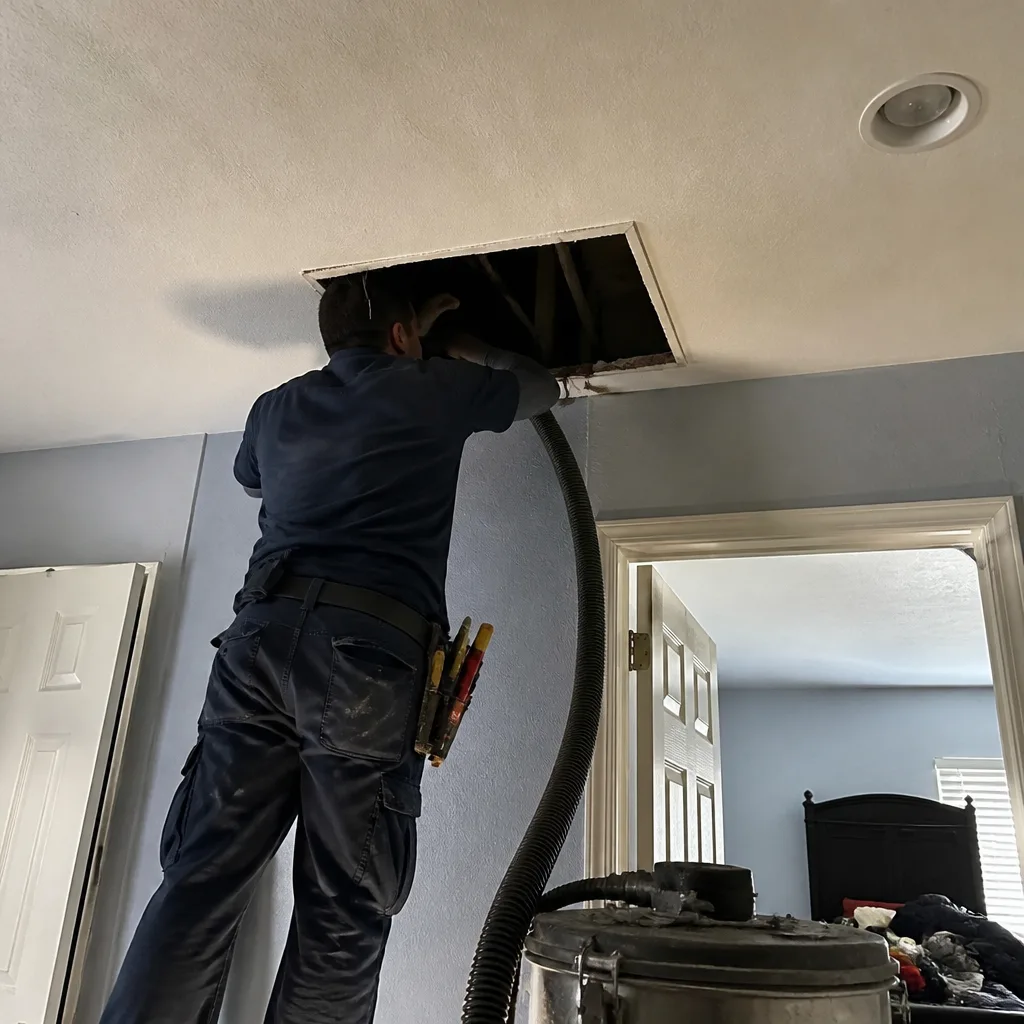 Before
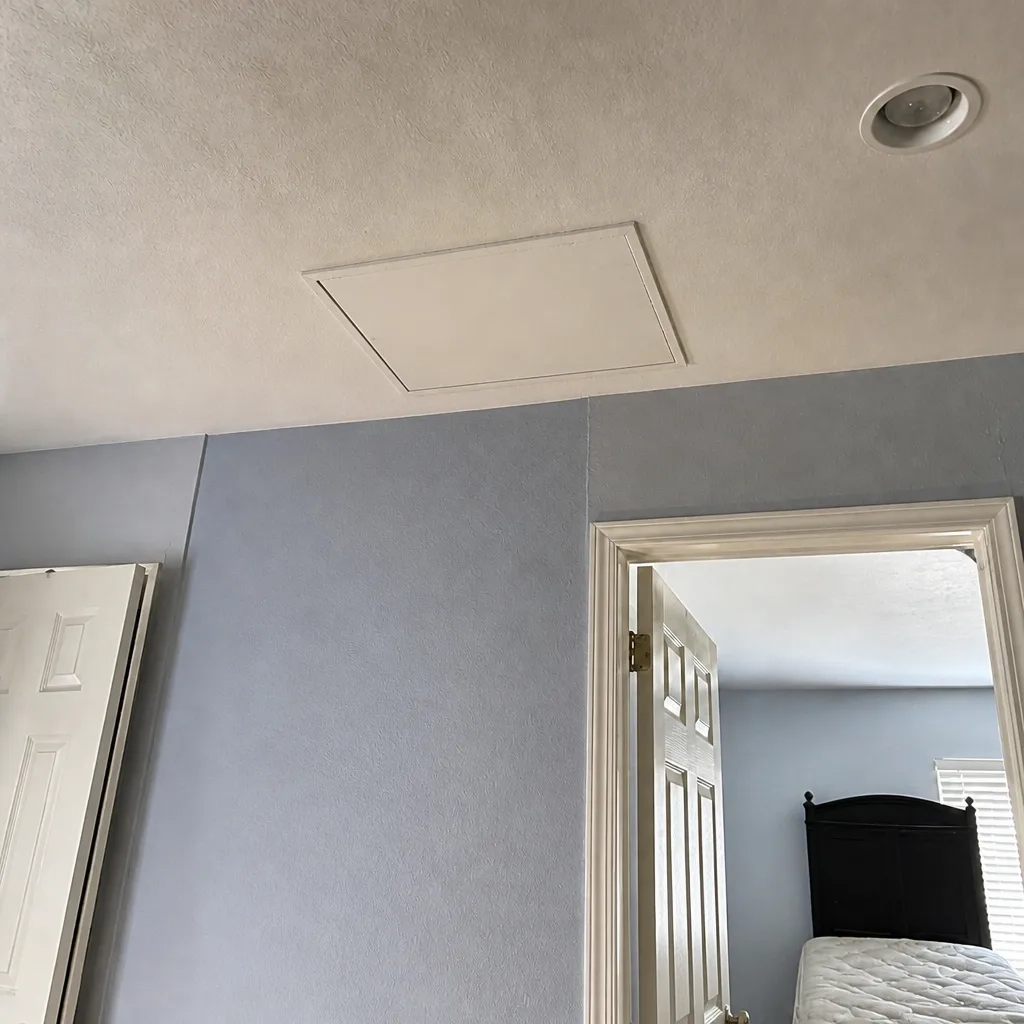 After
When to Call a Professional
Any duct modification is not a homeowner job: cutting into ductwork, replacing flex sections, or altering a plenum all require tools, training, and in most cases a mechanical permit. Skip anything you’d need to see from inside an attic during a valley summer. If you can hear a duct whistling or rattling, if rooms cool unevenly, if a visible flex duct run in the attic is crushed or has separated, or if a remodeling project is about to cut into the duct system, that’s when a professional with the right classification and equipment should be the one to look. Kingsley Air Duct Cleaning offers free estimates in Sunrise Manor, and we’ll tell you which category your ductwork falls into: cleaning, repair, or both. Call (844) 719-0477 to book an assessment.
Frequently Asked Questions
No, routine air duct cleaning does not require a permit in Sunrise Manor or anywhere in Clark County. Cleaning removes debris from existing ductwork without changing the structure of the system. Structural work, such as replacing duct sections, sealing a plenum, or modifying duct routing, may require a mechanical permit. Call (844) 719-0477 if you’re unsure which category your project falls into, and we’ll give you a straight answer.
They’re different classifications under the Nevada State Contractors Board. Cleaning falls under maintenance work, while structural duct repair requires the classification that covers mechanical and HVAC construction. The two are not interchangeable, and a company that holds one may not hold the other. Check the classification on the state board’s license search before hiring, then call (844) 719-0477 with questions.
Use the Clark County permit records system with your property’s parcel number, which you can find on your deed or tax bill. Filter the results to mechanical permits to see what’s been formally permitted and inspected on the property. Open permits with no final inspection recorded are worth flagging. If you’d rather have someone look at the duct system physically, call (844) 719-0477 for a free estimate.
When a mechanical permit was pulled for the work. The general triggers include replacing duct runs, modifying a plenum, adding or relocating registers, and altering duct sizing or routing. Cleaning alone doesn’t trigger an inspection because it doesn’t involve a permit. Call (844) 719-0477 to talk through whether your situation needs one.
It’s the National Air Duct Cleaners Association’s assessment, cleaning and restoration standard, and it’s the procedural guideline the duct cleaning industry works from. It’s not building code, so it doesn’t override Clark County rules, but it sets the expectations a competent contractor follows. When a repair is needed, restoration under ACR 2021 can fall within Clark County’s mechanical permit requirements. Call (844) 719-0477 for an assessment.
Costs vary with system size and condition, and the only honest answer is a written estimate after someone has actually looked at your ductwork. What we can commit to is one flat price per system, agreed before work starts, with no per-vent pricing and no surprise additions once the technician is on site. Call (844) 719-0477 for a free estimate and a specific number.
Before-and-after photos of your own ducts. That’s the documentation that proves the work was performed and complete. Any contractor who can’t produce them didn’t do the job you’re paying for. Call (844) 719-0477 to book an assessment with full photo documentation.
Low quotes almost always come from companies that skipped equipment investment, skipped proper training, or plan to add charges on site through per-vent pricing or upsells. Shop vacs and shortcuts don’t clean a duct system the way a Rotobrush or Nikro system does. Call (844) 719-0477 for a quote that reflects the actual work.
The Bottom Line
Air duct cleaning itself doesn’t need a permit in Sunrise Manor. Structural work on ductwork, whether it’s replacing a flex section, sealing a plenum, or modifying a run, may require a mechanical permit under Clark County code, and that distinction has real liability attached to it for the property owner. Nevada’s contractor classifications treat cleaning and repair as different work, so verify which classification the company holds. Pull the permit history on your property before any structural work. Follow NADCA ACR 2021 as the procedural standard for how the work should be done. And ask for photos afterward. If you’re not sure which category your ductwork falls into, that’s exactly the conversation we’re here for.
Kingsley Air Duct Cleaning works with professional-grade Rotobrush and Nikro equipment from cleaning through repair, and we answer the permit question plainly because a homeowner who understands what’s being done makes better decisions. Call (844) 719-0477 for a free estimate. We answer 24/7. Fast dispatch from 7am to 7pm, Sunday through Friday.
Written by the team at Kingsley Air Duct Cleaning.