
Last updated November 15, 2026
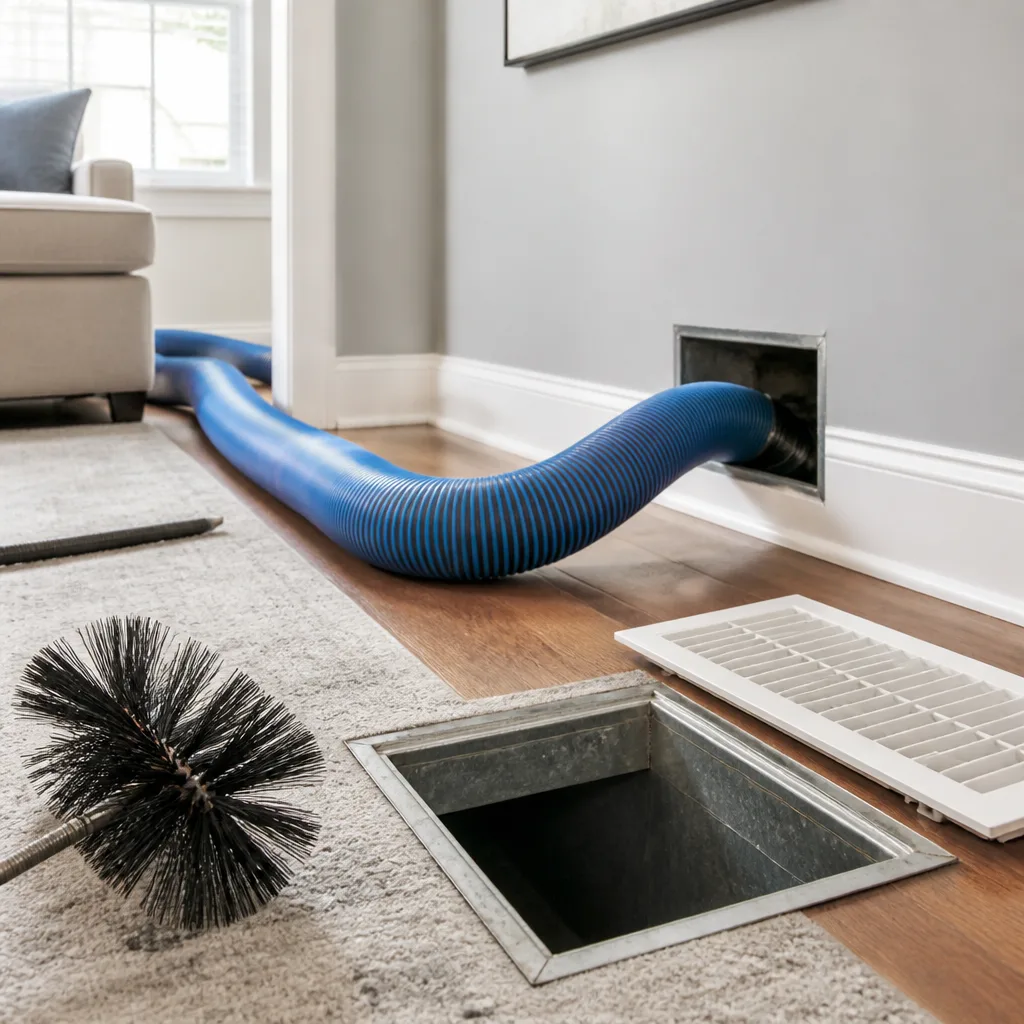 Whole-home duct cleaning
 Dryer vent cleaning
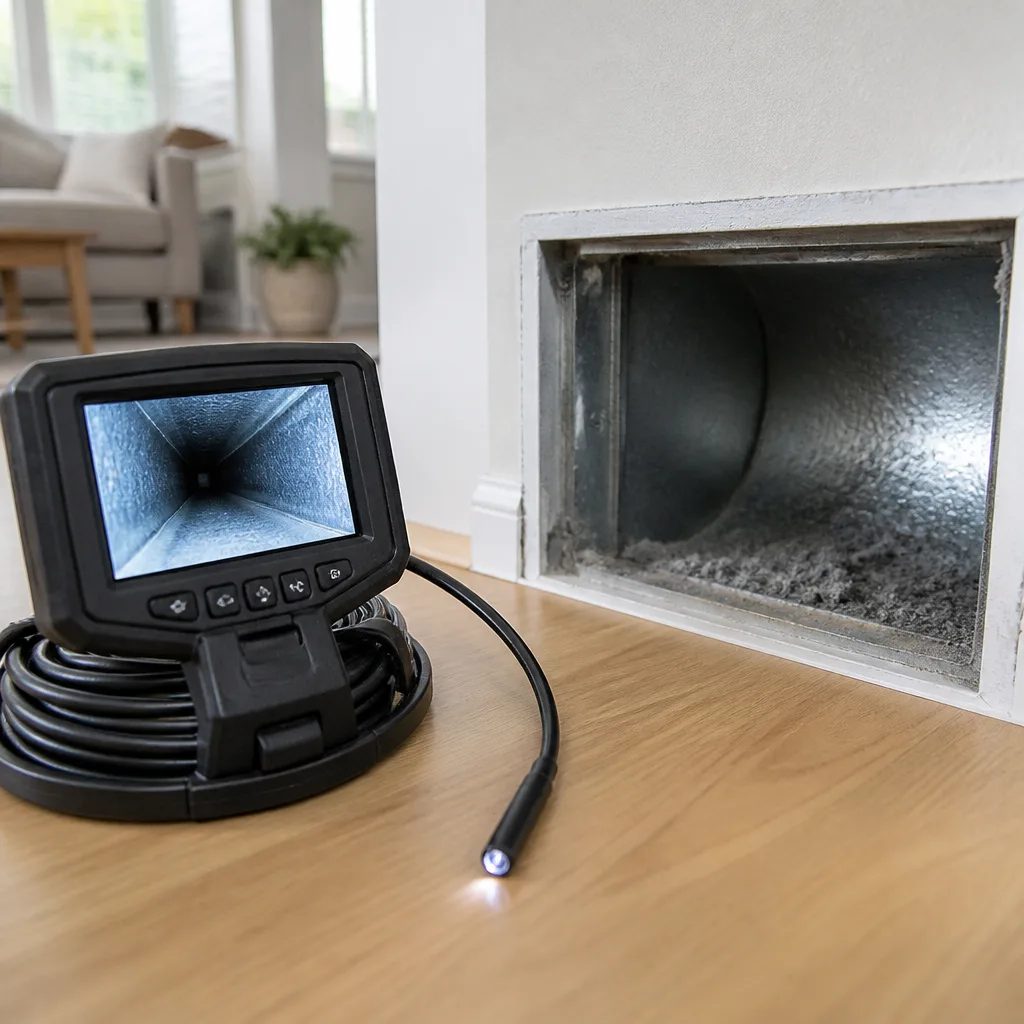 Camera inspection
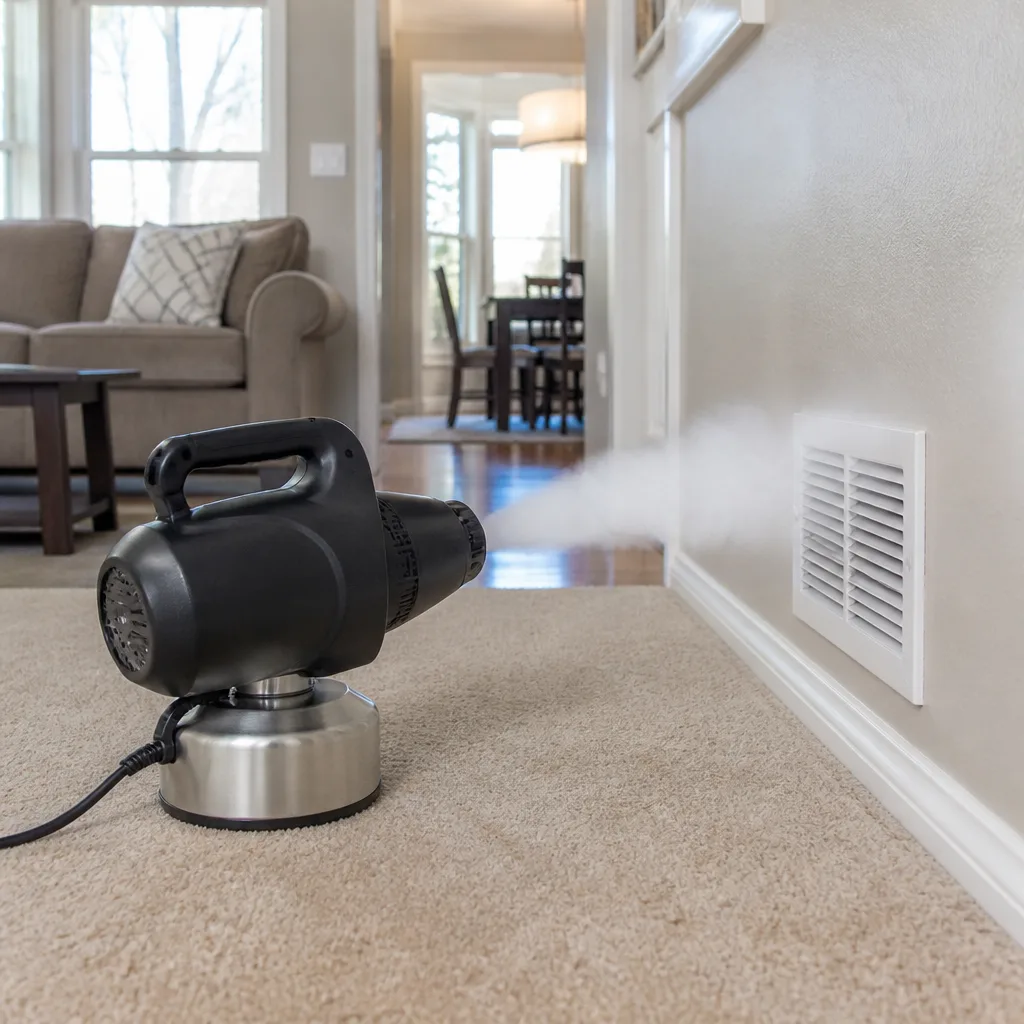 Sanitizing & deodorizing
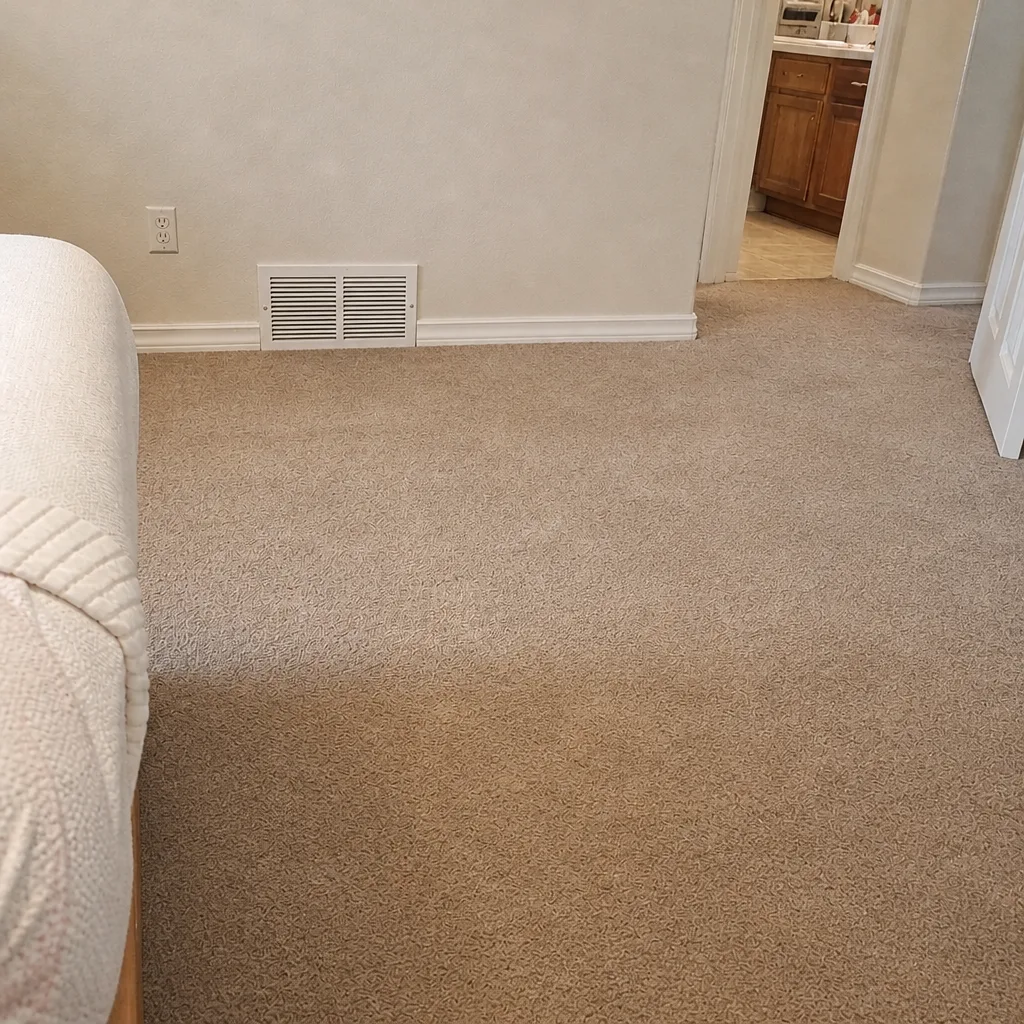
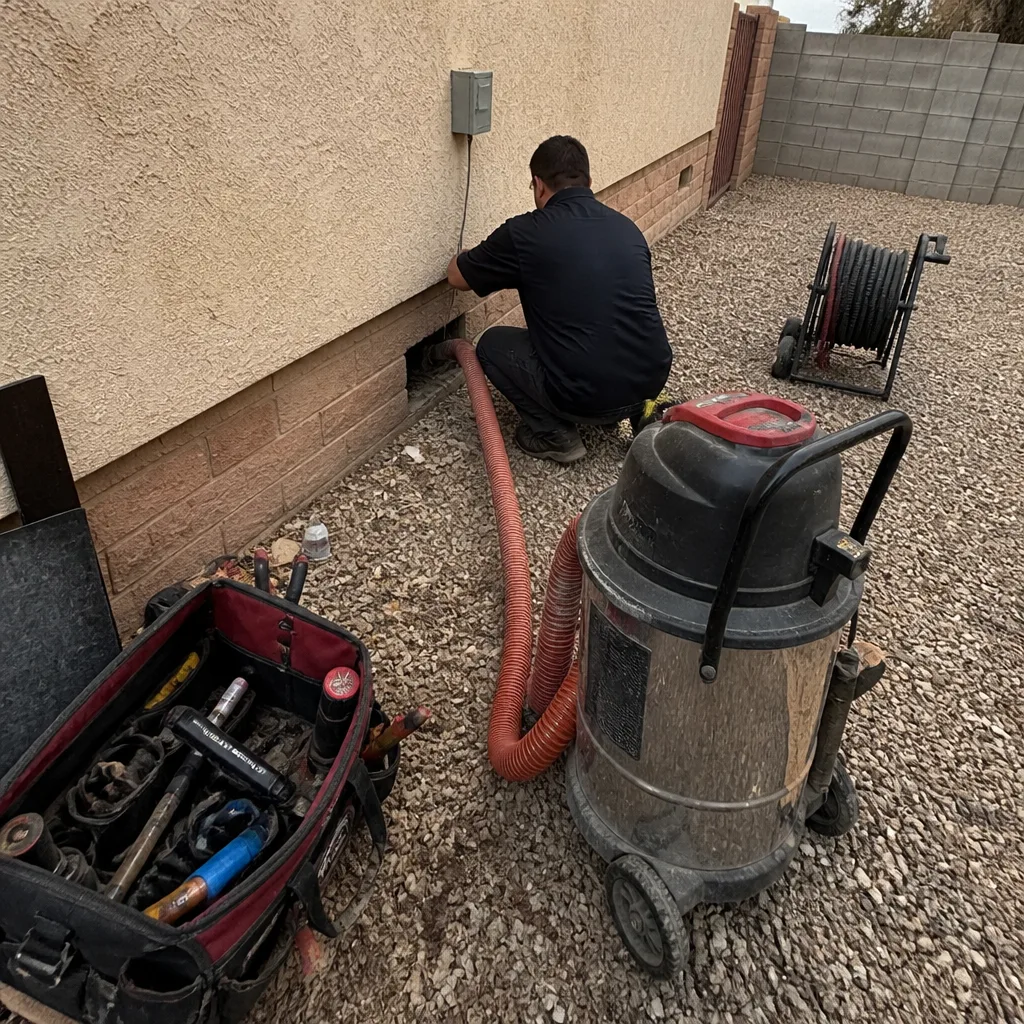
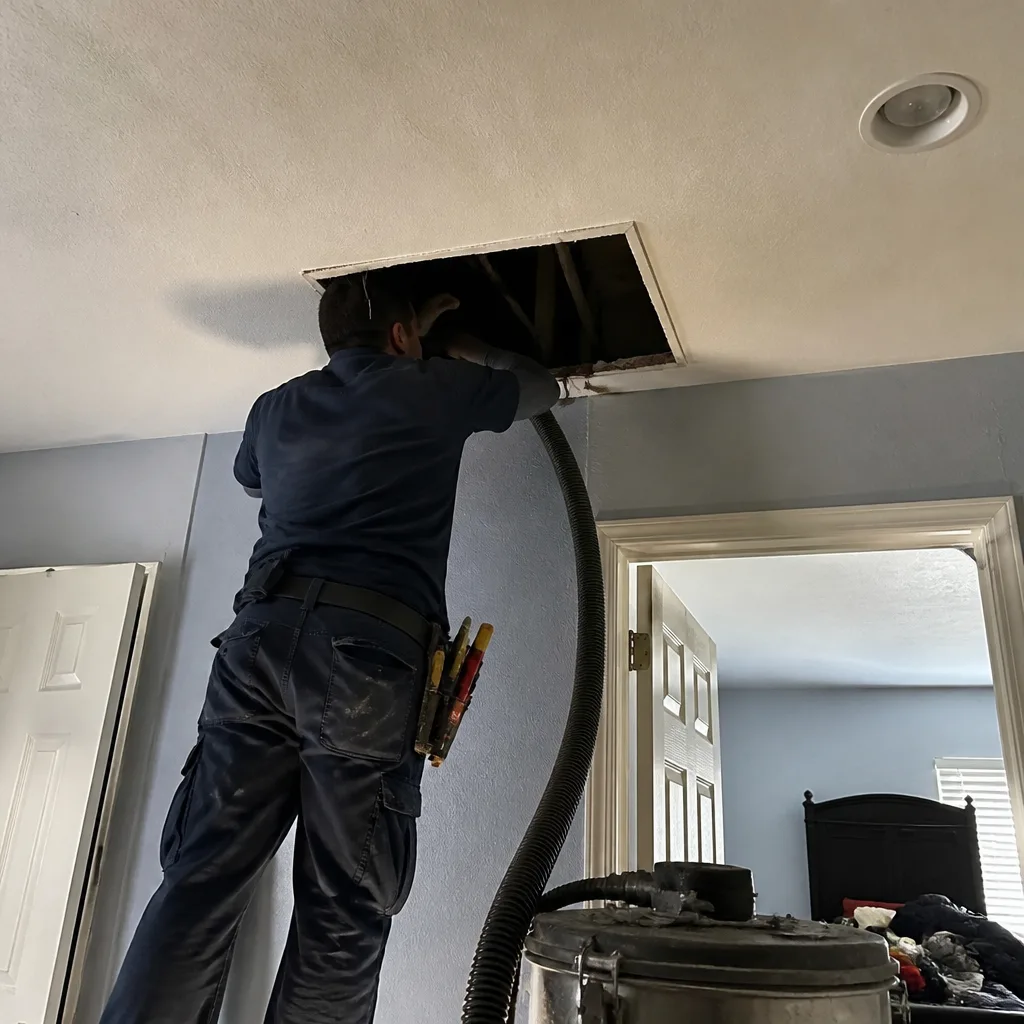
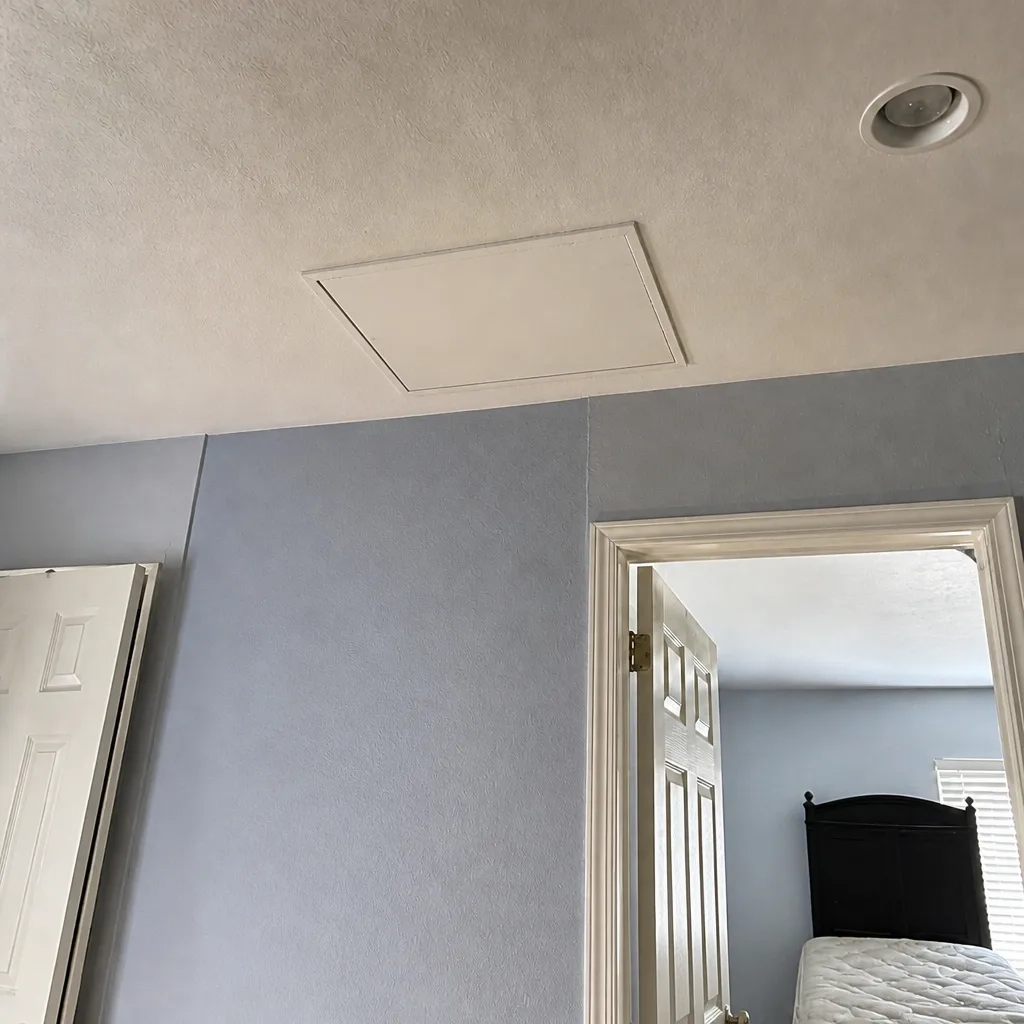
Whole-system duct and dryer vent check with before-and-after photos - you see exactly what came out of your vents
That "$99 whole-house special" is a bait ad - the real number appears once they are in your hallway, or the "clean" is a shop-vac at the register. We photograph the inside of your ducts before and after instead.
Air Duct Cleaning Troubleshooting in Sunrise Manor: Common Problems and How to Fix Them
If one room in your house is always 8-10°F hotter than the thermostat setting, your HVAC unit is probably fine. Your duct system is telling you something specific, and it’s not “call for a full replacement.” Most homeowners in Sunrise Manor jump straight to the equipment when airflow goes wrong, but the equipment is often the healthiest part of the system. The ducts are the part nobody looks at. This guide is about reading your system’s symptoms the way a technician does: what a whistle means, what dust on a register is telling you, and which problems you can honestly solve yourself before anyone sets foot in your attic.
Quick Answer
Most airflow complaints in Sunrise Manor trace to duct-side problems, not HVAC failure: collapsed or sagging flex duct in the attic, disconnected trunk lines, blocked returns, and contaminated plenums. Start with the simple checks (filter, dampers, visible register gaps). If the symptom persists, get a camera-based inspection before you spend money on equipment repair.
Styles & brands we work with
- Whole-home duct cleaning
- Dryer vent cleaning
- Camera inspection
- Sanitizing & deodorizing
Table of Contents
- What Is Your System Actually Telling You?
- Why Sunrise Manor Heat Makes Duct Problems Worse
- What You Can Check Yourself Before Calling Anyone
- DIY Versus Professional: Where the Line Actually Is
- What a Video Scope Inspection Reveals
- The Four Most Common Duct Problems and Their Fixes
- Dryer Vent Troubleshooting: A Separate Air Path
- Common Mistakes to Avoid
- When to Call a Professional
- Frequently Asked Questions
What Is Your System Actually Telling You?
Every duct problem produces a symptom, and the symptom usually tells you which component is failing. Whistling at a register points toward a restriction or a gap pulling air. Uneven temperatures across rooms suggest a collapsed run, a disconnected trunk, or a damper that’s been closed and forgotten. Dust settling on the supply registers within days of cleaning points to a contaminated plenum or a return pulling from an unconditioned space. A musty smell that gets stronger when the system runs usually means moisture is finding a surface inside the ductwork.
Here’s how the common symptoms map to likely duct-side causes:
- Whistling or high-pitched noise at a register: a crushed or undersized run, a partially closed damper, or a gap at the boot connection pulling air.
- One room consistently hotter or cooler: a collapsed flex duct in the attic, a disconnected trunk line, or a blocked return feeding that zone.
- Dust on registers soon after cleaning: a contaminated plenum, a return pulling from an attic or garage space, or open seams during operation.
- Musty or stale smell: moisture inside the duct system, often where flex duct has come loose and is drawing attic air.
- Weak airflow everywhere: a clogged filter, a blocked main return, or a plenum connection that’s come apart at the air handler.
Reading these symptoms in your Sunrise Manor home is the first real step toward fixing the problem instead of paying for a repair you may not need. The point isn’t to become a technician. It’s to arrive at the conversation with a specific symptom, not a vague complaint.
Why Sunrise Manor Heat Makes Duct Problems Worse
Duct systems are built to a certain tolerance, and heat pushes every part of that tolerance. In Sunrise Manor, attic spaces reach extreme temperatures through the summer, and flex duct lives in those attics. Flex duct is a plastic-lined, wire-reinforced hose, and heat slowly softens the material. Over many summers, runs that started out straight and supported start to sag between hangers. Sagging creates low points where airflow slows and dust settles. It also puts stress on the seams, and stressed seams separate.
Then there’s the pressure side of the problem. A sealed house with a working air conditioner runs under static pressure every day of summer. When flex duct sags or a connection loosens, the system loses pressure at exactly the moment it’s working hardest. The thermostat calls for more cooling, the compressor runs longer, and the homeowner pays for that. It’s a maintenance issue that turns into a structural one over time. In Sunrise Manor, the job of looking at attic duct runs after several hot seasons isn’t optional upkeep. It’s how you catch a run before it collapses entirely.
This is one reason we treat air duct cleaning as an inspection as much as a cleaning. The vacuum removes the buildup, but the walkthrough tells you whether the ductwork is still doing its job. A cleaning that ignores a sagging run misses the actual problem.
What You Can Check Yourself Before Calling Anyone
A homeowner can do more useful diagnostic work than they realize. These checks take an afternoon and tell you more about your system than a thermostat reading ever will. Work through the list in order, and write down what you find. That record helps any technician, including us, get to the real cause faster.
- Change the filter first. A clogged filter mimics more expensive problems. Hold the filter up to a light; if you can’t see light through it, replace it. Check the filter slot for bypass, too, because air that goes around the filter carries dust straight into the coil.
- Check every supply register for airflow. Hold a piece of tissue near the grille. Compare how much it lifts in each room. Note the rooms that underperform; those are your problem zones.
- Look for visible gaps at the register. A register that doesn’t sit flush against the wall or ceiling is leaking air into the room instead of out of it. Feel along the edge with your hand while the system runs.
- Check the boot connections. The boot is the short duct fitting behind the register. Where it meets the drywall or the floor, you can often feel air escaping. A slight leak here is common and fixable.
- Verify dampers are open. If your branch ducts have manual dampers, trace the lever and confirm each one is fully open, especially in rooms that run hot.
- Notice smells and dust. Note which registers collect dust fastest and whether any room smells musty when the system starts.
The point of this pass is to give you a specific finding. “The back bedroom’s register barely moves a tissue” is a much better starting point than “the air conditioning seems off.” If your findings point to a system-wide issue, the next step is the same one we’d take: a look inside the ductwork itself.
DIY Versus Professional: Where the Line Actually Is
Some duct-side problems are genuinely within reach for a homeowner. Others require equipment and access that no reasonable person should attempt. Drawing the line honestly saves money and prevents damage.
What you can reasonably handle yourself:
- Replacing a clogged filter on schedule.
- Opening a damper that was closed for a season and never reopened.
- Clearing debris that’s blocking a return grille.
- Tightening a loose register screw or reseating a register that’s popped out of its frame.
- Sealing a small, accessible gap at a register with tape rated for ductwork.
What requires professional equipment and access:
- Diagnosing a collapsed or disconnected flex run inside an attic or crawlspace.
- Cleaning a plenum or trunk line where dust has bonded to the interior surface.
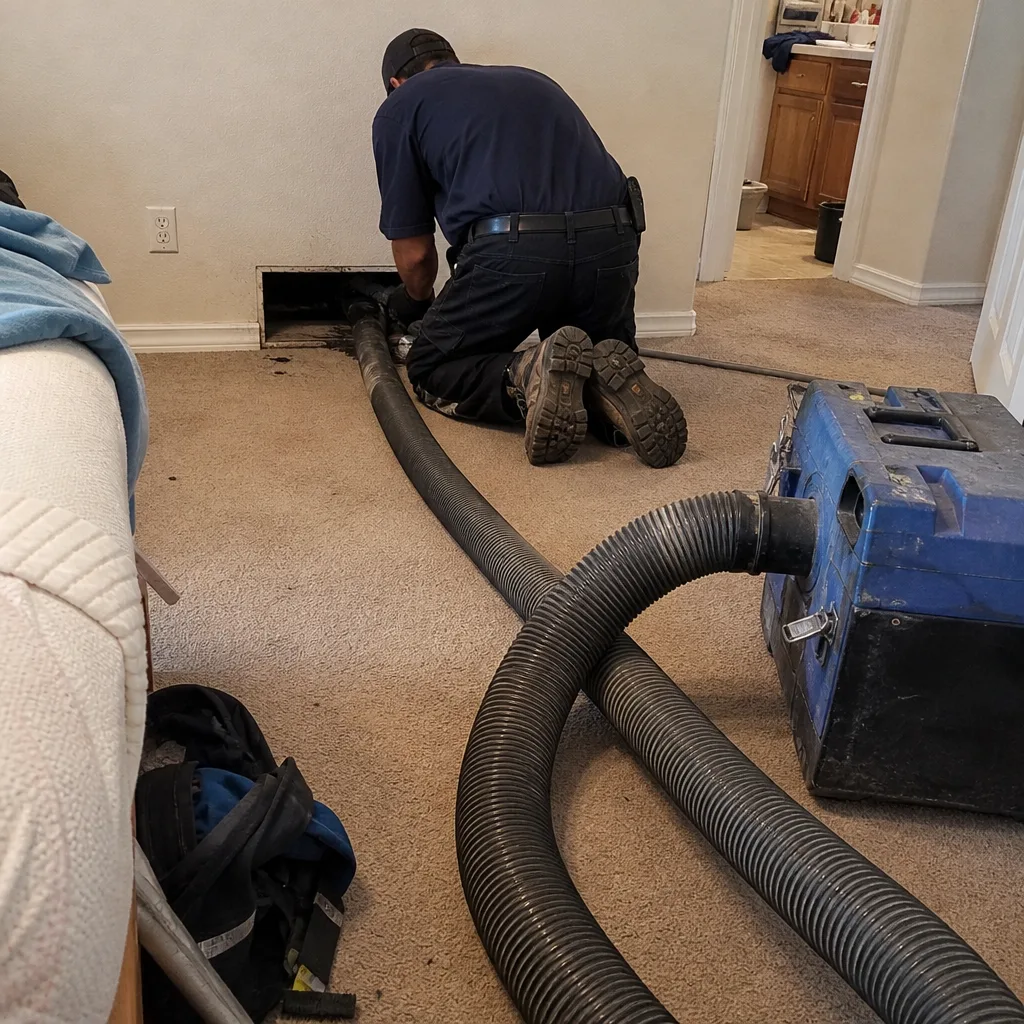
- Removing buildup that only a negative-pressure vacuum system can lift and contain.
- Confirming a hidden leak, a torn liner, or a joint that’s come apart where you can’t see it.
- Repairing or reconnecting a duct run that’s structurally failed.
That last category is where the tools matter. A shop vacuum can pull surface dust off a register, but it can’t create the negative pressure needed to clean a full duct system without blowing dust into the living space. Professional systems from Rotobrush and Nikro are built for exactly that job: they capture and contain what they lift. When a homeowner tells us they tried a shop vacuum and the dust came back within days, they’re describing a job the equipment couldn’t finish.
The distinction matters because a small leak is often the visible edge of a larger problem. Sealing a register gap is fine; discovering a trunk line has separated somewhere in the attic is not a job for a roll of tape. If your checks point inward, that’s the moment to bring in the camera.
What a Video Scope Inspection Reveals
A video scope is a camera on a flexible line, and it changes the conversation. A visual walkthrough of your attic tells a technician where the ducts run. A video scope tells them what’s happening inside, which is where the real story usually lives. The difference between those two views is the difference between a guess and a diagnosis.
Here’s what camera inspection typically surfaces that a walkthrough can’t:
- A collapsed flex run that looks intact from the outside but is pinched shut within a few feet.
- A torn inner liner that’s creating a dust trap and reducing airflow.
- A joint where two duct sections have separated by an inch or two, leaking conditioned air into the attic.
- Buildup on the interior walls of a plenum that a visual inspection would call clean.
- Rodent debris or nesting material in a run that shows no external sign.
In our experience, camera evidence settles disagreements quickly. When a homeowner sees a collapsed run on screen, the repair conversation becomes straightforward. It’s no longer “the tech says the duct is bad” but “here is the duct, and here is the problem.” That’s the reason we rely on this step before recommending repair: it keeps the recommendation grounded in what’s actually there.
Sunrise Manor homes built in different decades have different duct layouts, and the camera is the only reliable way to know what’s behind a wall or under insulation. An older home might have metal ductwork with failing joints; a newer one might have flex runs that were installed tight and have loosened over time. The symptom can be identical. Only inspection tells you which fix is right.
The Four Most Common Duct Problems and Their Fixes
Over years of working on Sunrise Manor homes, four problems come up again and again. Each has a symptom you can spot from inside the house and a fix that addresses the cause rather than the noise.
1. Collapsed or sagging flex duct
Symptom: one or two rooms that never reach temperature, often the farthest rooms from the air handler.
Cause: heat over many summers softens the flex duct and sags it between hangers, pinching the airflow. The fix is to re-support or replace the affected run, and in Sunrise Manor’s climate, using a run rated for the attic heat is part of the job.
2. Disconnected trunk line
Symptom: a sharp drop in airflow across multiple rooms, sometimes accompanied by a whistling sound or an attic smell entering the living space.
Cause: a joint has come apart, often at a plenum or branch takeoff. The fix is to reconnect and seal the joint properly, then verify pressure at each register afterward.
3. Blocked return
Symptom: the system seems to strain, and every room feels slightly under-served. Doors may whistle when closed.
Cause: an obstruction at the return grille or a return duct that’s been crushed or blocked. The fix can be as simple as clearing debris or as involved as repairing a crushed return run. Return-side problems are the most overlooked in residential duct work.
4. Contaminated plenum
Symptom: dust settling on registers within days of a cleaning, musty smell during operation, or visible dust at the supply vents.
Cause: source contamination inside the plenum or trunk, where dust has bonded to the interior surface. The fix is a proper negative-pressure cleaning that lifts and contains the buildup, followed by a check on why it’s returning.
Each of these is a duct-side issue. None of them requires a new HVAC unit. That’s the point of this guide, and it’s why a diagnostic pass is worth the trip before you commit to anything larger.
Dryer Vent Troubleshooting: A Separate Air Path
Your dryer vent isn’t part of your HVAC system, but it’s part of the same air-moving logic, and it’s worth a separate diagnostic pass. A dryer that takes two cycles to dry a load, feels hot to the touch at the back, or emits a slightly burnt smell is telling you the vent is restricted. Lint buildup in a vent line is a documented residential fire risk, which is why we treat dryer vent cleaning as a safety service rather than an optional add-on.
Homeowners can check the obvious: pull the dryer out, disconnect the vent, and feel inside for lint accumulation. If the interior is packed, that’s the problem. What’s harder to inspect is the run through the wall to the exterior, which is where lint tends to collect at every bend. In Sunrise Manor, where homes often have long vent runs through hot attic space, this is where a professional pass with proper tools pays for itself. Our technicians have up to 13 years of experience reading these blockages, and a full vent cleaning removes what a hand can’t reach.
The dryer vent is a good example of what we mean by treating the air system as a connected whole. The ducts move air for heating and cooling. The dryer vent moves air and moisture out of the house. Both benefit from the same diagnostic approach: find the restriction, remove the buildup, then confirm the airflow is restored.
Common Mistakes to Avoid
Sunrise Manor homeowners dealing with duct problems tend to make the same handful of mistakes. Each of these costs money or time that could be spent on the actual fix.
- Replacing the HVAC unit before inspecting the ducts. A new condenser doesn’t fix a collapsed flex run. If the symptoms are uneven or room-specific, the ducts are the first thing to check, not the equipment.
- Calling the cheapest ad and expecting the same outcome. Low-bid duct cleaning often means a shop vacuum passed over the registers. The dust returns quickly because the plenum and trunk weren’t touched.
- Skipping the filter change and assuming the system is failing. A clogged filter looks like a failing HVAC unit from the thermostat. Start with the filter, then look further.
- Assuming a room damper is open because nobody said otherwise. Dampers get closed during remodels or seasonal adjustments and then forgotten. Check the lever before diagnosing anything more expensive.
- Sealing a gap and calling it fixed without checking the rest of the run. A visible leak at the boot is often a symptom of a joint that’s separated upstream. Seal the gap, then confirm the run is sound.
- Ignoring the dryer vent because it’s “not HVAC.” In Sunrise Manor, where vent runs are often routed through hot attic space, the dryer vent is a fire-safety item. Don’t defer it.
- Accepting a cleaning that skips the before-and-after photos. If the company won’t show you what they found and what they cleaned, you have no way to confirm the work was done.
Most of these come down to the same idea: get a diagnosis before spending on a fix. A little diagnostic work up front is what separates a solved problem from a repeat visit.
When to Call a Professional
Some situations clearly call for professional equipment and experience. Call us when the airflow problem is system-wide rather than isolated to one register; when a room stays 8-10°F off the thermostat setting despite open dampers and a clean filter; when you can smell mustiness inside the ducts or see noticeable dust at the supply registers; when the camera work is needed to see inside a hidden run; or when a dryer is taking two cycles to dry a normal load. Those are the cases where a walkthrough, a camera scope, and a proper negative-pressure cleaning make the difference between a fix and a guess.
Kingsley Air Duct Cleaning offers free estimates in Sunrise Manor, and we handle cleaning and repair under one visit so you don’t need a second contractor for what the inspection finds. We use Rotobrush and Nikro equipment on every job and let the video scope tell the story. Call (844) 719-0477. We answer 24/7. Fast dispatch from 7am to 7pm, Sunday through Friday.
Frequently Asked Questions
A single room running hot usually points to a collapsed or sagging flex run serving that room, a disconnected branch, or a damper that’s been closed. Sunrise Manor’s summer heat makes sagging flex duct a common cause. Check the damper and the register first, then call for a camera inspection if the problem continues.
Duct cleaning is priced per system, not per vent, and the written estimate sets the final price. Kingsley Air Duct Cleaning gives free estimates so the number you see reflects your actual system, not a teaser figure. Call (844) 719-0477 for an exact quote; estimates are free.
A video scope is a camera on a flexible line that shows the inside of your ductwork. It finds collapsed runs, torn liners, disconnected joints, and contamination that a visual walkthrough can’t see. The evidence changes the repair conversation from a guess to a diagnosis.
Some issues are within reach: a clogged filter, a closed damper, a loose register, a small gap at the boot. Structural problems inside a run need professional access and equipment. A negative-pressure vacuum system and camera inspection are the tools that separate a diagnosis from a guess.
There’s no single rule that fits every home, but several conditions suggest a check: a recent HVAC repair, visible dust returning quickly after a cleaning, musty odor, or a home that’s never had the ductwork inspected. For homes with attic flex duct in a hot climate, an inspection every few years is reasonable.
We handle both. Cleaning and repair under one visit means a collapsed run or disconnected trunk found during inspection can be fixed without sending you to a second contractor. We use Rotobrush and Nikro equipment and work with air-quality products from Honeywell and Aprilaire.
Where to Go From Here
If you’ve read this far, you already have a diagnostic framework. Check the filter. Test the registers. Note the rooms that underperform. Open the dampers. If the symptoms persist and you can’t get inside the run, that’s the moment to bring in a camera. A proper inspection, cleaning, and repair done under one visit is what solves the problem rather than pushing it down the road. We serve homeowners across Sunrise Manor and the surrounding area, and we’re glad to look at what you’ve found.
Call (844) 719-0477. We answer 24/7. Fast dispatch from 7am to 7pm, Sunday through Friday. Estimates are free, and the price is set per job by the written estimate. Before-and-after photos come with the job so you can see what was found and what was cleaned.
The Bottom Line
Most of what looks like HVAC failure in a Sunrise Manor home is duct-side: sagging flex runs, disconnected trunks, blocked returns, contaminated plenums. The heat makes each of those more likely over time, but the symptoms are readable. Check the filter, test the registers, and note what’s off before calling anyone. If the problem points inward, get a camera inspection. Kingsley Air Duct Cleaning offers Kingsley Air Duct Cleaning cleaning, repair, and dryer vent work under one visit, with professional-grade equipment and a free estimate. Call (844) 719-0477 to get started.
Written by the team at Kingsley Air Duct Cleaning.
See the difference
 Before
 After
 Before
 After
 Before
 After