
Last updated November 15, 2026
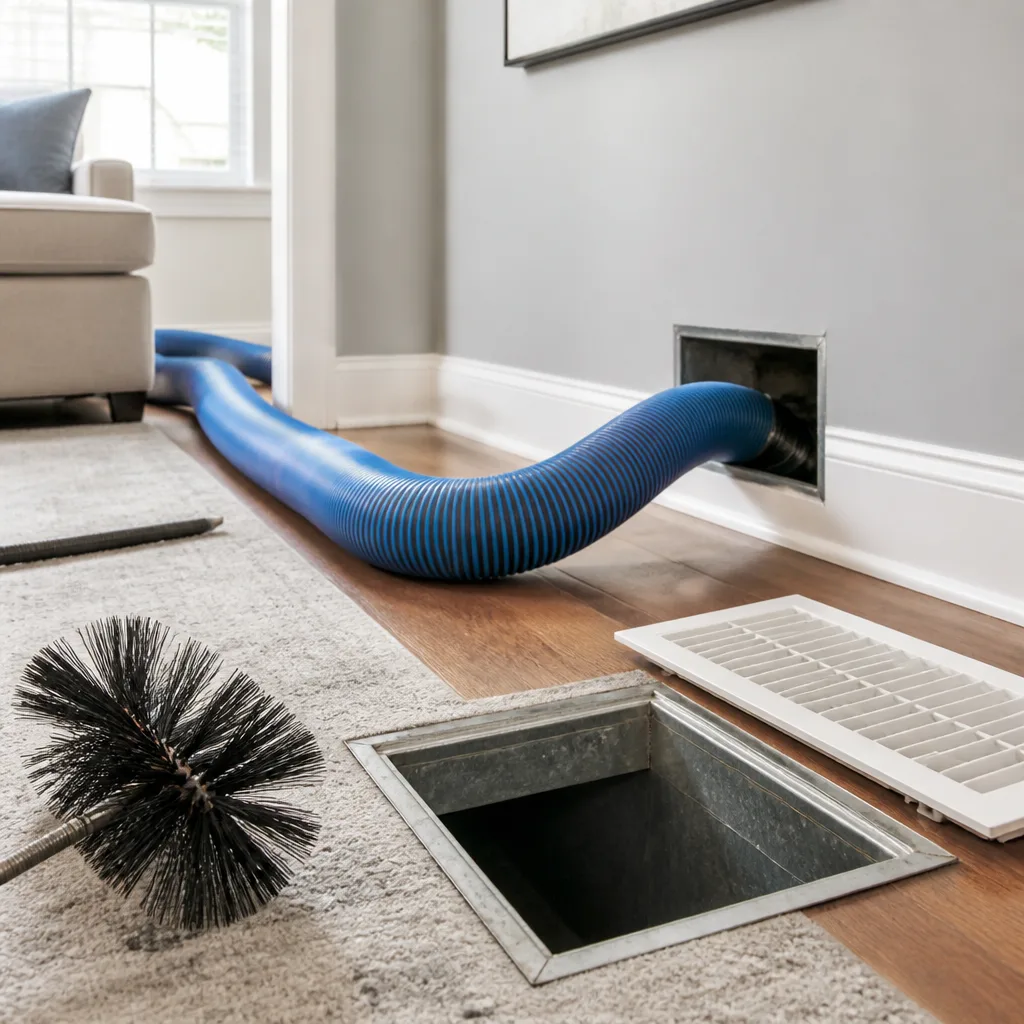 Whole-home duct cleaning
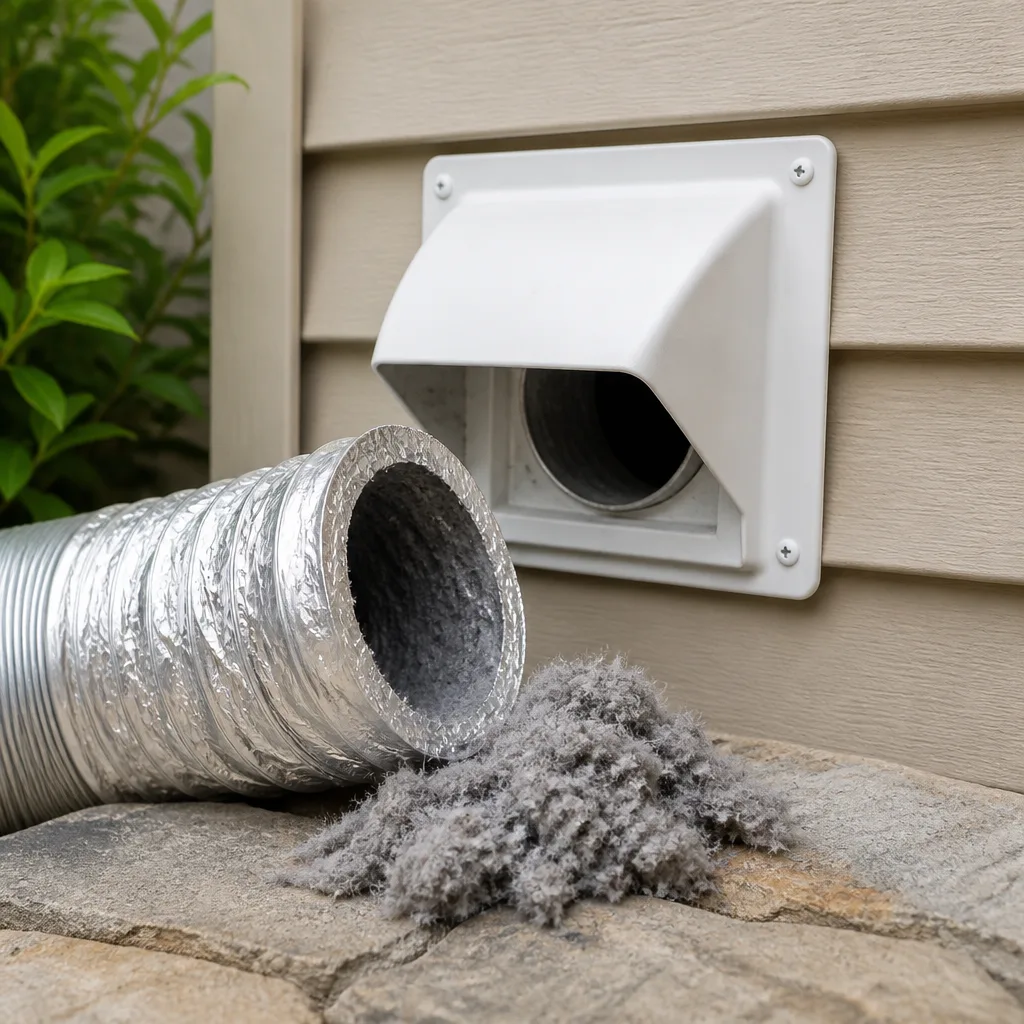 Dryer vent cleaning
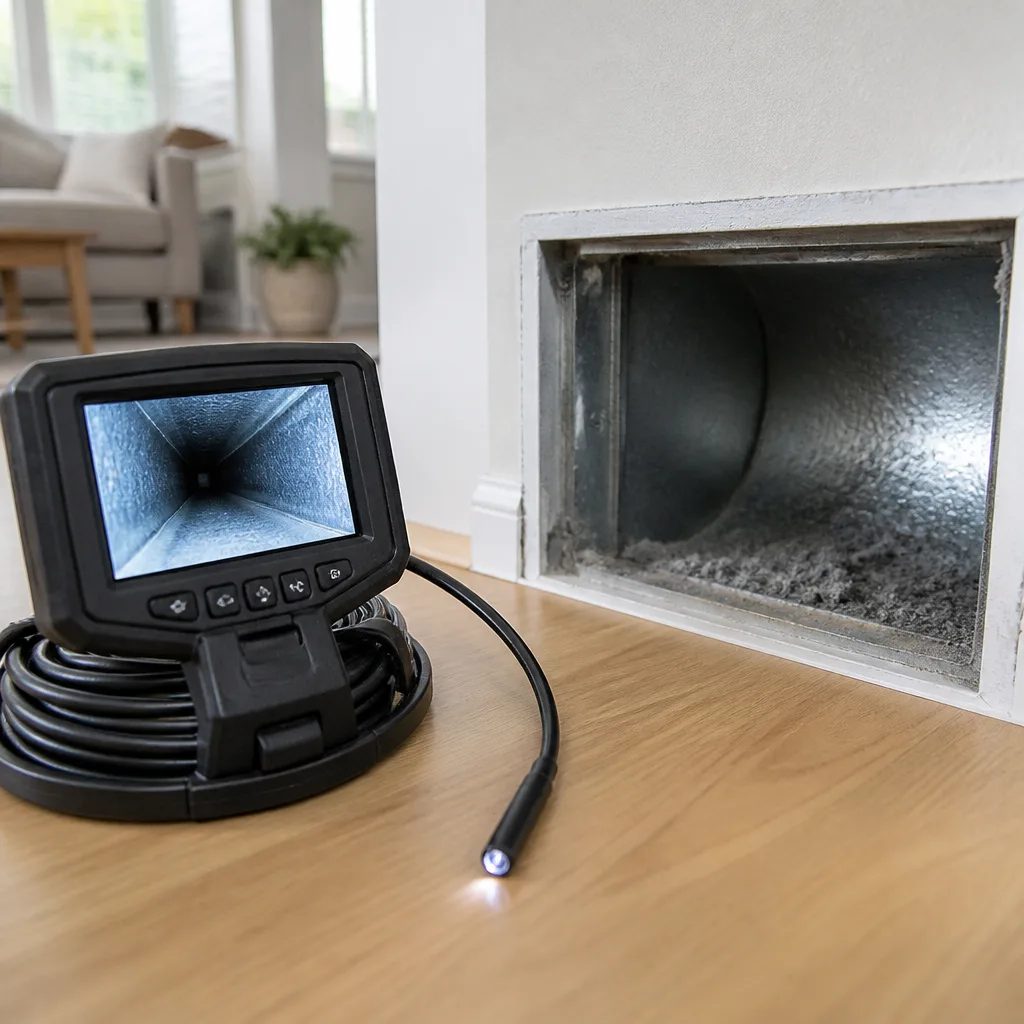 Camera inspection
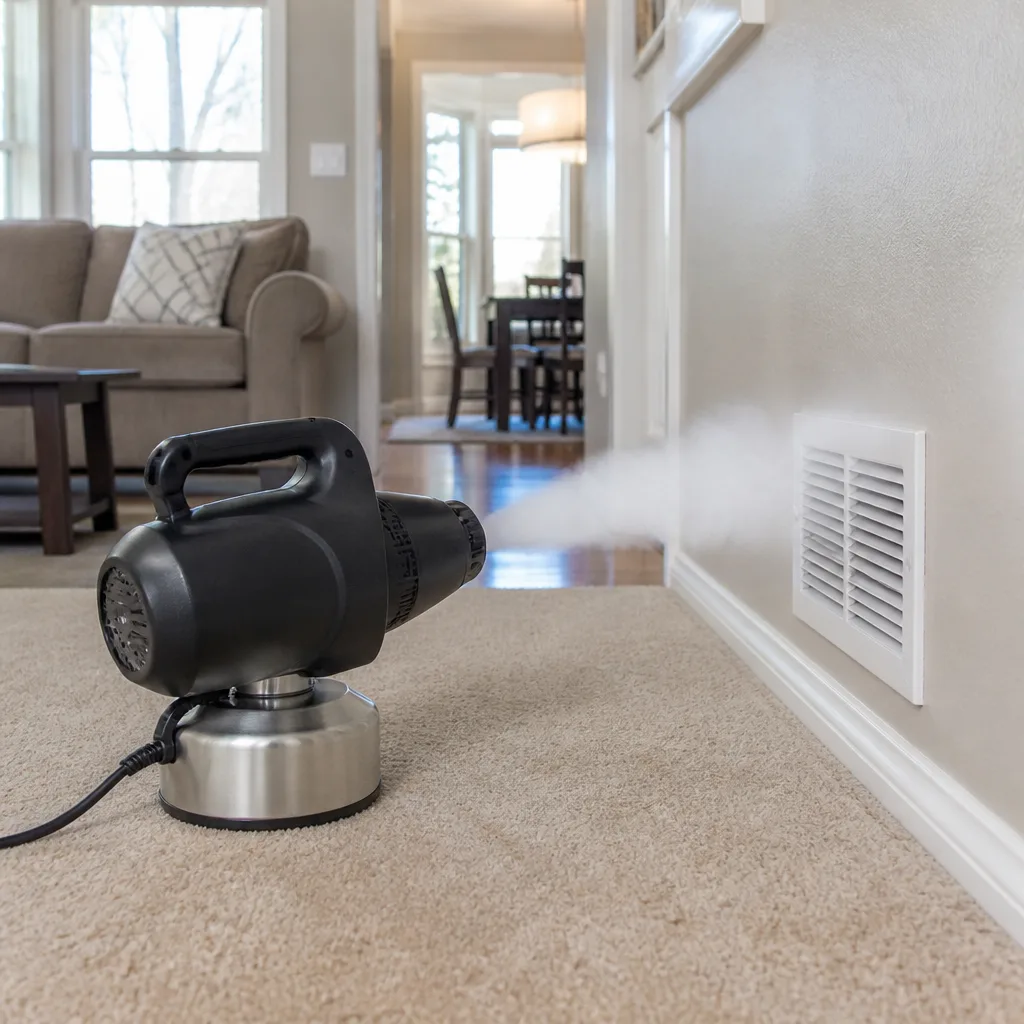 Sanitizing & deodorizing
Whole-system duct and dryer vent check with before-and-after photos - you see exactly what came out of your vents
That "$99 whole-house special" is a bait ad - the real number appears once they are in your hallway, or the "clean" is a shop-vac at the register. We photograph the inside of your ducts before and after instead.
Air Duct Cleaning Maintenance Schedule: What to Do and When
Most homeowners have heard the same figure so many times it sounds like a law: clean your ducts every three to five years. The EPA never treated it as a universal rule. It was a baseline for a hypothetical average home, and that average home doesn’t own two shedding dogs, didn’t just finish a kitchen remodel, and doesn’t sit at the edge of the Mojave where wind moves fine dust through the valley for months at a stretch. If you want a maintenance schedule that actually protects your air system and your air, you need one built around conditions, not the calendar. This guide lays out the baseline interval and then shows you exactly which variables in your Sunrise Manor home shorten it, when to inspect rather than clean, and what to do in between.
Quick Answer
Start with a baseline of every three to five years for a typical home with no pets, no smoking, and no recent construction. Then shorten it: homes with pets or allergy sufferers typically move to every two to three years, and a home that just finished a major renovation, had a rodent or mold problem, or runs fiberglass duct board may need cleaning far sooner and an inspection right away. In Sunrise Manor specifically, desert dust and nearby construction activity push most households toward the shorter end of those ranges, so a two-year inspection cycle is a sensible anchor even when a full cleaning isn’t yet due.
Styles & brands we work with
- Whole-home duct cleaning
- Dryer vent cleaning
- Camera inspection
- Sanitizing & deodorizing
Table of Contents
- Why the 3-to-5-Year Rule Is a Baseline, Not a Rule
- Building Your Schedule: The Decision Tree
- What Makes Sunrise Manor Different
- Separating the Cleaning Schedule from the Inspection Schedule
- What to Do Between Professional Cleanings
- When to Reset the Schedule Entirely
Why the 3-to-5-Year Rule Is a Baseline, Not a Rule
The three-to-five-year figure gets repeated so often that it’s worth being precise about what it was meant to describe. It was never a recommendation that every home clean ducts on that clock. It was a rough starting point for a home of average size, average occupancy, average dust load, and no special conditions. Move away from any of those averages and the number stops being useful.
Duct contamination doesn’t accumulate evenly. It builds based on what enters the system and how long it stays there. A system with a fresh filter and low household dust settles into a slow accumulation rate. A system with shedding pets, a nearby construction site, or a filter that’s been left too long can load up in a fraction of that time. The interval also depends on duct material itself: sheet metal ducts with smooth interiors hold debris differently than fiberglass duct board, whose porous surface can trap contaminants and degrade with heat cycles.
In our experience working across Sunrise Manor, the homes that need the least frequent cleaning are the ones with the plainest variables: no pets, a tight return air system, and a homeowner who replaces filters on schedule. The homes that drift onto a longer schedule than they should usually have one or two variables quietly working against them. The point of this guide is to help you find yours.
Building Your Schedule: The Decision Tree
Rather than a fixed number, build your schedule from a short set of conditions. Start with the baseline and adjust as you go.
- Set the baseline. No pets, no smokers, no recent renovation, no allergy or asthma concerns: every three to five years, with an inspection at the midpoint.
- Add for pets. One or more shedding animals commonly shortens the interval by a year or more. Pet dander and hair press into return air grilles and duct surfaces faster than dust alone. Consider every two to three years.
- Add for smoking indoors. Smoke particles settle onto duct surfaces and are sticky. Households with indoor smoking typically move to every two years or less, depending on volume.
- Add for allergy or asthma sufferers in the home. When someone in the household reacts to airborne particles, keeping the system clean becomes a health-relevant task rather than a maintenance one. Move toward the shorter end even if the ducts look fine.
- Add for recent renovation. Drywall dust, sawdust, and construction debris travel further through an HVAC system than most people expect. Any major renovation is a trigger for an inspection, and often for a cleaning.
- Add for duct material. Fiberglass duct board has a porous interior lining that can trap contaminants and is more sensitive to attic heat cycles. Sheet metal is more forgiving. If you’re not sure what your ducts are made of, a camera inspection will tell you.
Put the conditions together and you’ll land on a working interval for your household. Revisit it after anything changes: a new pet, a new baby, a completed remodel, an HVAC replacement. The schedule is meant to move.
What Makes Sunrise Manor Different
Sunrise Manor sits in a desert valley, and the dust load here reflects that. Fine dust moves through the area with the wind and settles into return air returns, then gets pulled into the system every time the blower runs. That alone doesn’t demand daily cleaning, but it does shorten the reliable interval compared with homes in wetter, greener climates that served as the backdrop for the three-to-five-year baseline.
Two other local factors push the schedule shorter for many households here. First, construction. Rapid development in and around Sunrise Manor means new-build activity, grading, and remodels are common. Homes downwind of ongoing construction pick up more airborne particulate than homes in established neighborhoods without nearby building activity. Second, attic temperature swings. Attics in the desert cycle through extreme heat during the day and cooler temperatures overnight. That cycle stresses duct liner and can degrade fiberglass duct board faster than in more temperate climates. Liner that’s deteriorating sheds fibers and traps debris, and the result is a system that needs attention on a shorter schedule than a similar home elsewhere.
Our practical recommendation for Sunrise Manor households: anchor on an inspection every two years, and let the inspector’s findings decide whether a full cleaning is due. That approach keeps the schedule honest rather than guesswork. If you want to understand what a clean system looks like from the inside, this air duct cleaning overview is a useful starting point.
Separating the Cleaning Schedule from the Inspection Schedule
One of the biggest gaps in most maintenance plans is that they conflate cleaning with inspection. Cleaning removes contaminants. Inspection finds problems cleaning can’t fix. You can skip a cleaning and still be fine. Skipping an inspection is how small issues become expensive ones.
A camera inspection looks inside the ductwork and tells you things no amount of cleaning schedule alone will reveal:
- Whether the duct liner is deteriorating, cracking, or shedding fibers.
- Whether duct board has failed at a joint or fitting.
- Whether rodent activity has left droppings, nesting material, or chewed ductwork.
- Whether moisture is present and whether mold growth is a concern.
- Whether the duct connection at the air handler is secure.
In our experience, a camera inspection every two years is a smart baseline for Sunrise Manor homes, whether or not a full cleaning is due. On the desert-side, where attic temperature cycling stresses duct liner year after year, finding a failing section early means a targeted repair rather than a full system replacement down the road. Inspection is also the moment to spot a duct issue that needs fixing, and it’s worth knowing your cleaning company can actually perform the repair rather than just pointing it out. Kingsley Air Duct Cleaning handles Kingsley Air Duct Cleaning and duct repair as separate services, which means you don’t have to bring in a second contractor for repairs flagged during an inspection.
What to Do Between Professional Cleanings
The quality of the months between professional cleanings determines how long your ducts stay in good shape. Three habits do most of the work.
Filter replacement by MERV rating
Filter life depends on the filter, the system, and the dust load, not just a blank number of months. A MERV 8 filter in a typical Sunrise Manor home generally needs replacing more often than the packaging suggests because of desert dust load. Higher-MERV filters, MERV 11 through MERV 13, catch more particles but load up faster and can be restrictive if your system wasn’t designed for them. Check the filter monthly during dusty stretches and replace when it’s visibly loaded, not on a calendar alone.
Register vacuuming
Vacuuming registers with a household vacuum using a brush attachment is helpful between cleanings, but it needs to be done gently. Aggressive vacuuming at a pressed-in grille can bend louvers and force dust further into the duct. A soft brush and low suction, moving slowly, is the right approach. If a register is visibly packed with hair or debris, that’s also a sign your return air system is pulling more than it should and an inspection is worth scheduling.
Checking return air grilles
Return air grilles are the entry point where dust enters the system. Visible buildup on the grille face, especially on lower-wall or floor grilles, is worth noting. In a desert household, return grilles along the floor tend to collect the most debris because falling dust has nowhere else to go. Light, regular cleaning of the grille face helps, but heavy buildup beyond the grille face is a sign to call for an inspection.
When to Reset the Schedule Entirely
Sometimes the answer isn’t adjusting the interval by a year; it’s starting the clock over. A handful of events wipe out whatever schedule you were on and require a fresh baseline.
- After a major renovation. Drywall dust and construction debris move through the system quickly. Get an inspection as soon as the dust settles, and schedule the cleaning based on what the inspection shows.
- After rodent infestation remediation. Droppings, nesting material, and chewed ductwork aren’t just contamination. Any home that’s dealt with rodents should have a full duct inspection and often a cleaning, with the schedule reset from that date.
- After mold remediation. If mold was present anywhere in the system, cleaning and any necessary repairs reset the schedule. Continuing from the previous cleaning date makes no sense when contamination has already occurred after that point.
- After an HVAC system replacement. A new air handler paired with old ductwork is a good moment to inspect and reset. The existing ducts may need cleaning, repair, or both.
In each case, the reset date becomes the new anchor. From there you’re back to the decision tree in the section above, but with a baseline that reflects the change.
Dryer Vent: A Separate Schedule That Runs on Its Own Clock
The dryer vent isn’t part of the HVAC duct system, but it’s a residential air pathway with its own maintenance schedule. Lint accumulates in the vent over time, and the reduced airflow that results is a documented fire-risk factor in residential homes. For most households, checking the vent once a year and cleaning it when lint is visible or airflow slows is the reasonable baseline.
In our experience, the dryer vent cleaning schedule should shorten under the same kinds of household variables as HVAC ducts: larger households with frequent laundry, longer vent runs, or several loads a day push the interval shorter. If you notice the dryer taking longer than it used to, or the exterior vent flap not opening fully, that’s a sign to inspect. The dryer vent cleaning service is worth treating as a safety task rather than a cleaning convenience, and it belongs on the same household maintenance calendar as the duct inspection. We stock and work with Guardsman dryer vent products, so the service covers more than just removing lint; it also flags failing vent components while we’re in there.
Matching the Equipment to the Job
The schedule matters, but the equipment used to execute it matters just as much. Rotobrush and Nikro duct cleaning systems are professional-grade tools used by restoration and abatement contractors, and they’re the systems we use on every job. The difference between professional-grade equipment and a consumer shop vacuum isn’t just suction; it’s containment, agitation, and how clean the duct actually gets inside a return that’s been running for a few years.
Filter hardware matters too. Honeywell and Aprilaire filtration products are the kind of air-quality hardware that pairs correctly with a properly maintained duct system. When your ducts, filter, and air handler are treated as one connected system, the cleaning schedule starts to feel like it actually does something.
Local Construction and What It Means for Your Interval
Sunrise Manor has seen a lot of construction activity in and around the neighborhood over the years, and that changes the dust load for homes nearby. Grading, foundation work, and remodels put fine particulate into the air, and a home’s HVAC system is one of the things that pulls it in. A household downwind of active construction usually needs a shorter schedule than a comparable household in a fully built-out area.
If you live near a new build or a recent remodel, factor it into your interval. Bump the inspection up by a year and watch your return grilles for visible buildup. A home that’s recently been built or renovated should be reset based on the renovation date, not the last cleaning date. More on the environment and what makes this specific area different is worth a look at the Sunrise Manor community overview.
See the difference
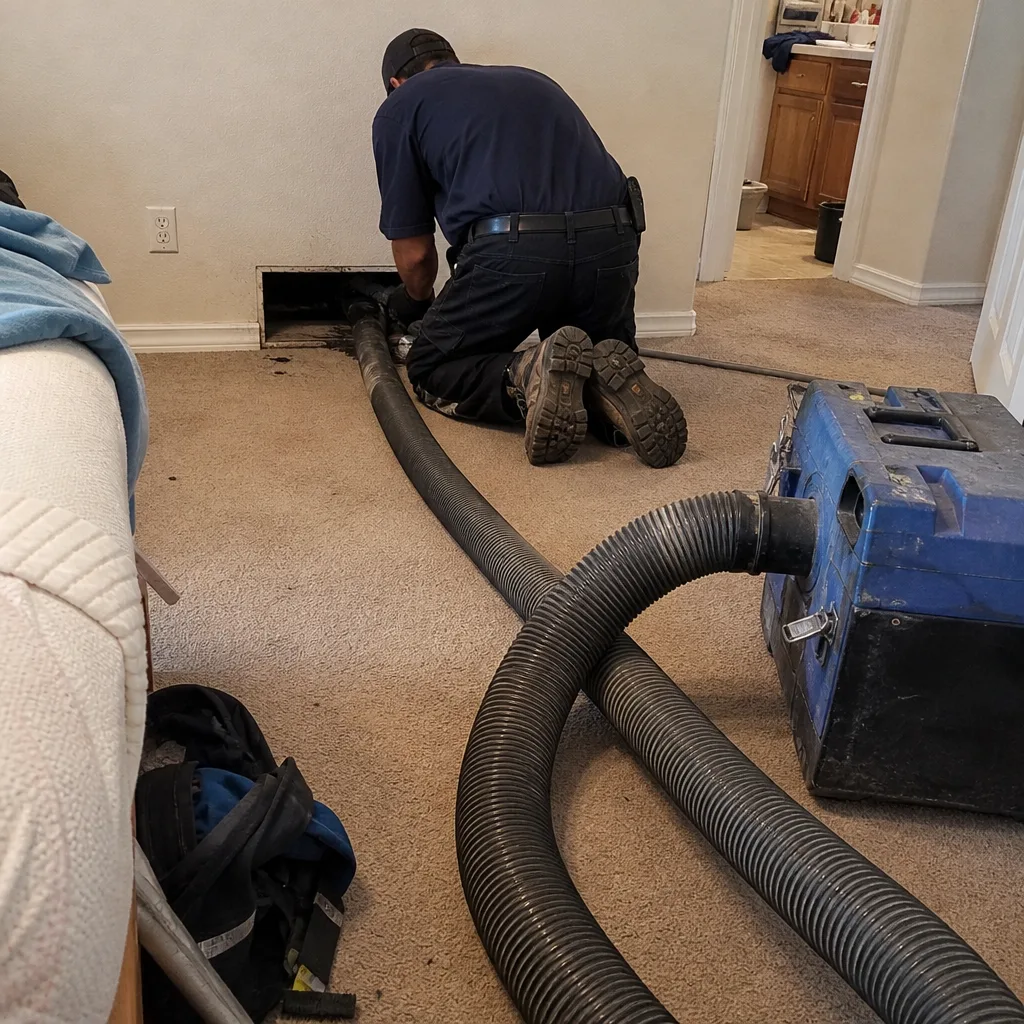 Before
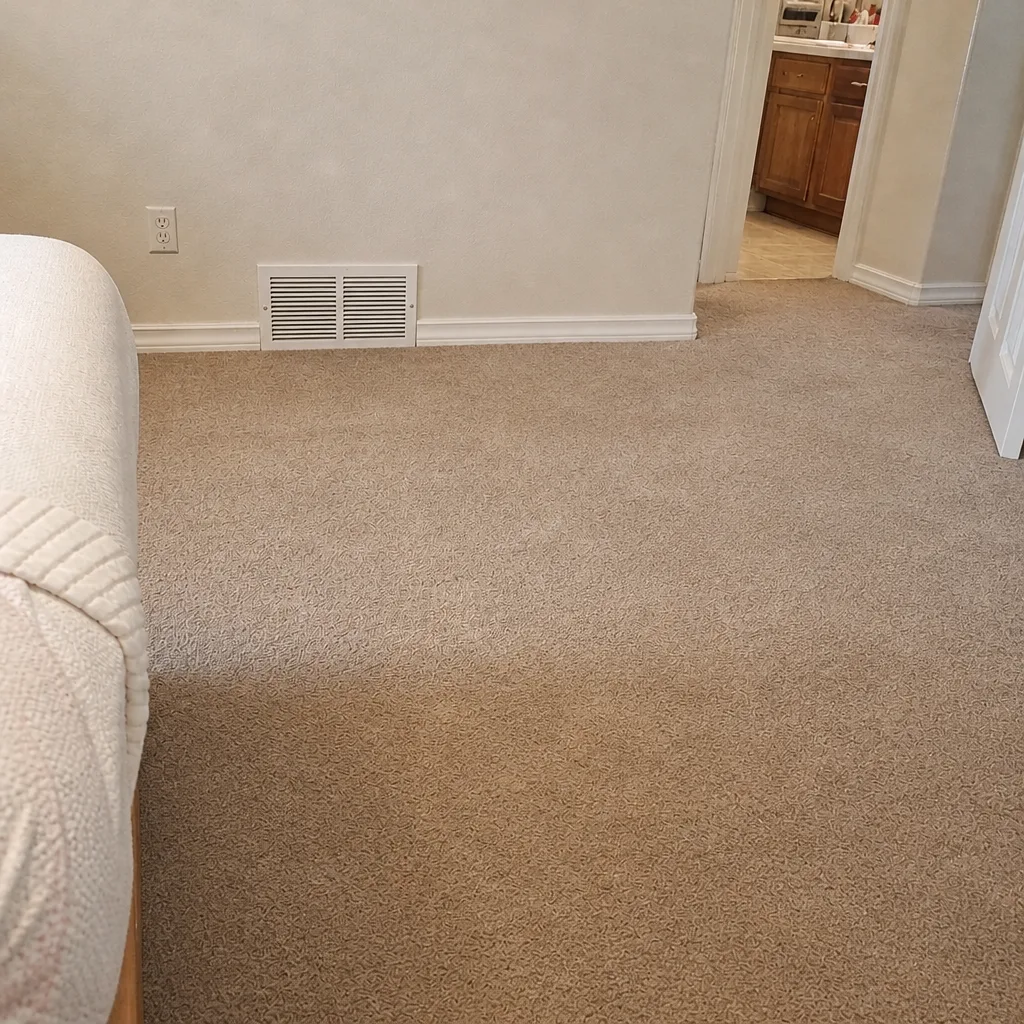 After
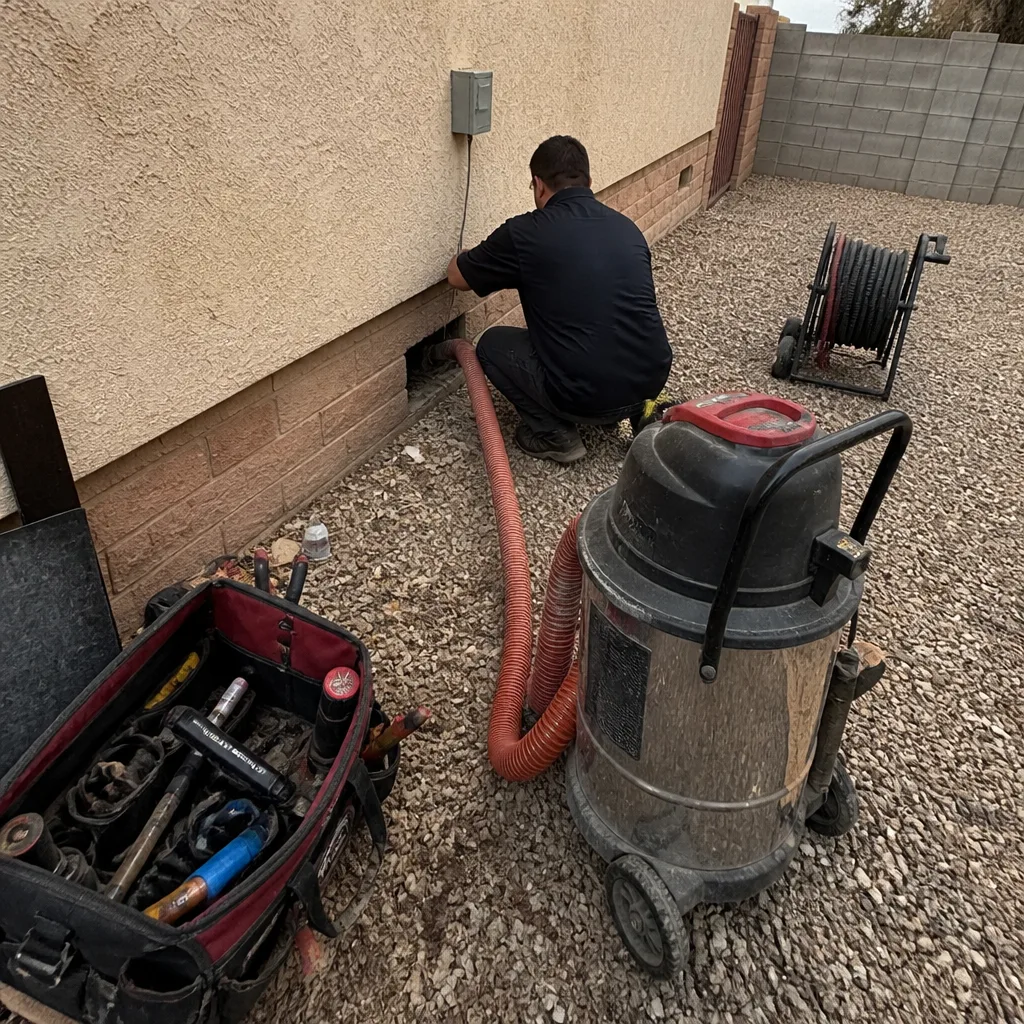 Before
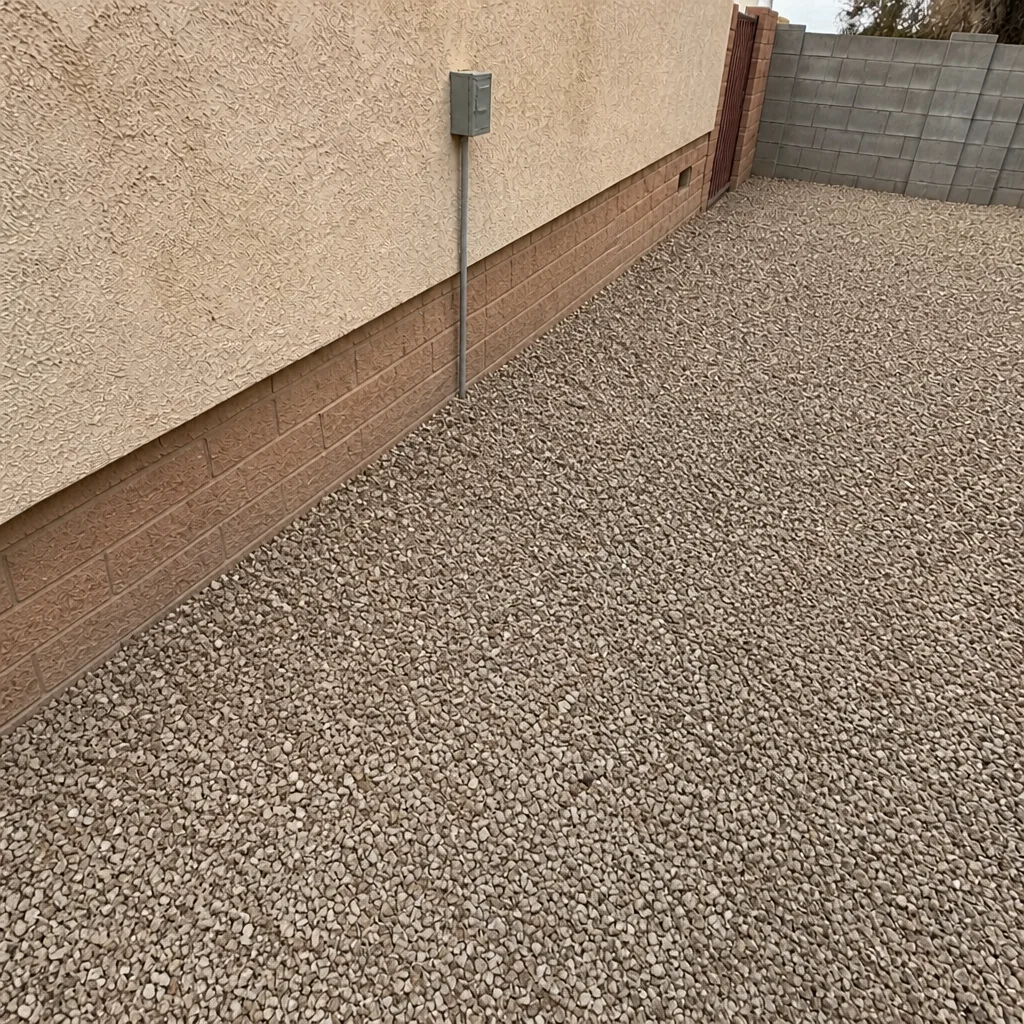 After
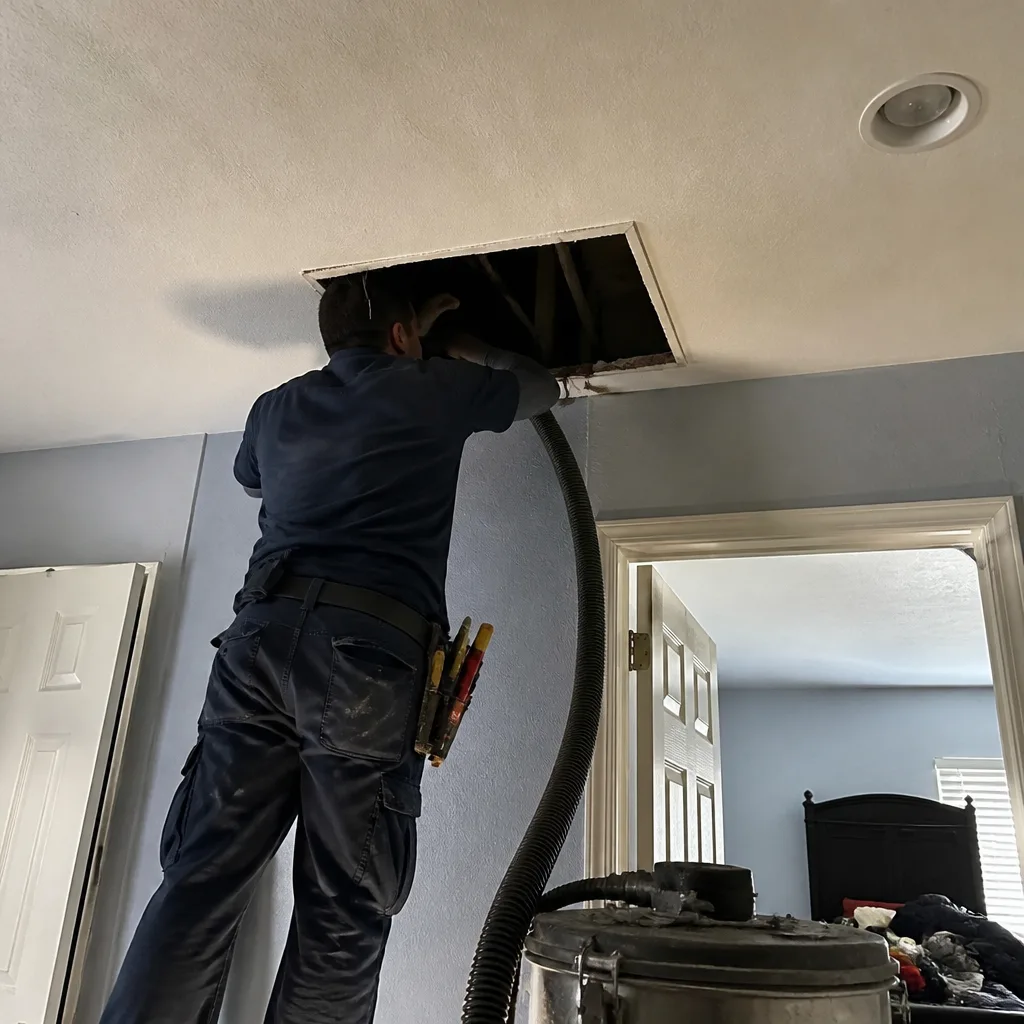 Before
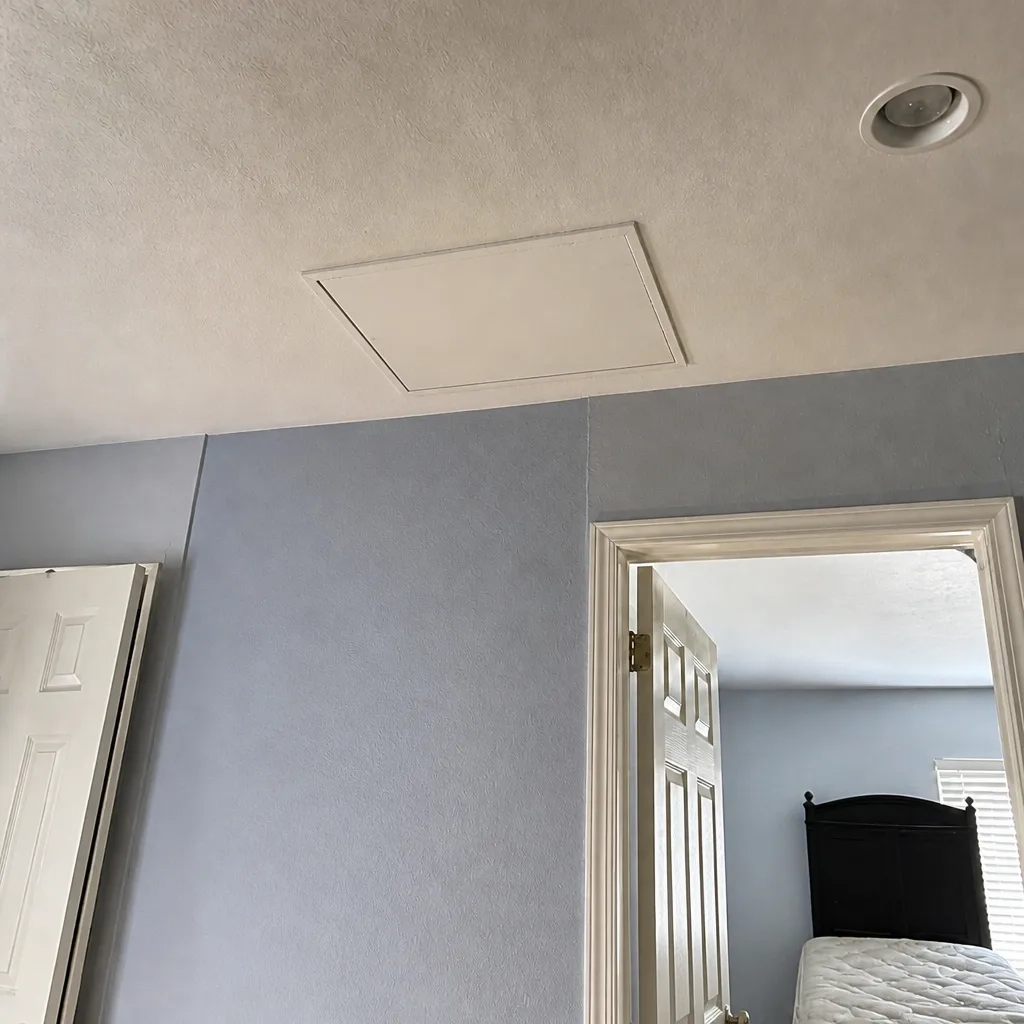 After
Common Mistakes to Avoid
- Treating three-to-five years as a rule rather than a baseline. The number ignores your pets, your dust load, your duct material, and how recently your home was renovated. Build the schedule around those conditions instead.
- Skipping inspections because the ducts “aren’t due” for a cleaning. Camera inspections catch liner deterioration and rodent activity before those issues become expensive. A skipped inspection is a missed early warning.
- Replacing filters on a fixed calendar in a dusty climate. Sunrise Manor’s desert dust load means filters load up faster than the packaging timelines assume. Look at the filter, not the calendar.
- Assuming a low quote means a smaller job. A quote that’s far below the rest is usually a smaller scope of work, less professional equipment, or both. The right tools for the job cost more to run.
- Resetting the baseline after a renovation without a full inspection. Post-renovation debris travels through the system faster than most homeowners expect. Inspection sets the new schedule; the previous baseline should be thrown out.
- Cleaning the dryer vent only when dryer performance slips. Lint accumulation is a fire risk well before airflow is noticeably reduced. Put it on the annual calendar.
- Getting ducts cleaned by a company that can’t repair what it finds. A camera inspection often turns up a failed joint or a degraded section. You want the cleaning and the repair to be resolved by one relationship.
When to Call a Professional
Many maintenance tasks are fine as household work: filter replacement, register vacuuming, and checking return grilles. The shift to calling a professional happens with several specific triggers. If you’ve just finished a renovation or had rodents dealt with, call for an inspection before assuming your prior schedule still holds. If somebody in the household has started reacting to airborne dust or allergens, a camera inspection is worth scheduling even if the ducts aren’t overdue. If your return grilles are visibly packed and vacuuming hasn’t touched the underlying buildup, that’s a sign the duct interior needs attention. And if your annual dryer vent check turns up anything more than light lint, have it looked at by someone equipped to handle the full vent pathway. Kingsley Air Duct Cleaning offers free estimates in Sunrise Manor, call (844) 719-0477. We answer 24/7. Fast dispatch from 7am to 7pm, Sunday through Friday.
Frequently Asked Questions
Most Sunrise Manor homes are well served by a two-year inspection cycle and a full cleaning every three to five years, shortened to every two to three years for homes with pets, allergy sufferers, or recent construction activity. Desert dust and local construction push the interval shorter than the national baseline. Call (844) 719-0477 for an exact quote; estimates are free.
No. It was meant as a baseline for a home with average conditions and was never a universal rule. Homes with pets, smokers, recent renovations, fiberglass duct board, or heavy dust exposure should adjust the interval accordingly. In our experience, desert households in Sunrise Manor usually need a shorter schedule than the baseline suggests.
Yes. A camera inspection every two years catches liner deterioration, rodent activity, and failing duct joints before those issues escalate. Cleaning removes contaminants; inspection finds problems cleaning alone won’t reveal. It’s the inspection schedule that keeps a home from missing early warning signs.
Annual inspection is the sensible baseline for most households, with cleaning whenever lint is visible or airflow has noticeably slowed. Larger households with frequent laundry, long vent runs, or several loads a day should shorten that interval. Dryer vent lint accumulation is a documented residential fire-risk factor, so treat the schedule as a safety task. Call (844) 719-0477 for a free estimate; we answer 24/7.
Yes. A major renovation, a rodent infestation remediation, a mold remediation, or an HVAC replacement all reset the schedule. Contamination that happened after the last cleaning makes the previous schedule meaningless. Start fresh from the date of the event and have an inspection done.
MERV 8 is a common baseline that catches a reasonable amount of dust without overly restricting airflow, and homes with allergy concerns often move to MERV 11 or 13 if the system was designed for that higher rating. Higher-MERV filters catch more particles but load up faster, especially in this dust load. Check the filter monthly and replace it based on visible loading, not a calendar. Call (844) 719-0477 for an exact quote on any related service.
The Bottom Line
The right air duct maintenance schedule is built from your household’s conditions, not a fixed calendar. Start with the three-to-five-year baseline, then shorten it for pets, smoking, allergy sufferers, recent renovations, and fiberglass duct board. In Sunrise Manor, desert dust and local construction activity push most households toward the shorter end, which is why a two-year camera inspection is a smart anchor even when cleaning isn’t yet due. Reset the schedule entirely after a renovation, rodent problem, mold remediation, or HVAC replacement. In between, replace filters by visible loading, vacuum registers gently, and watch return air grilles for buildup. Clean ducts follow a schedule built around the home that actually exists, not the hypothetical one the baseline was written for.
If you want help building the right schedule for your home, or you’re ready for an inspection, call (844) 719-0477 for a free estimate. We answer 24/7. Fast dispatch from 7am to 7pm, Sunday through Friday. Our technicians have up to 13 years of experience, and we work with professional-grade Rotobrush and Nikro equipment on every job.
Written by the team at Kingsley Air Duct Cleaning.