
Last updated November 15, 2026
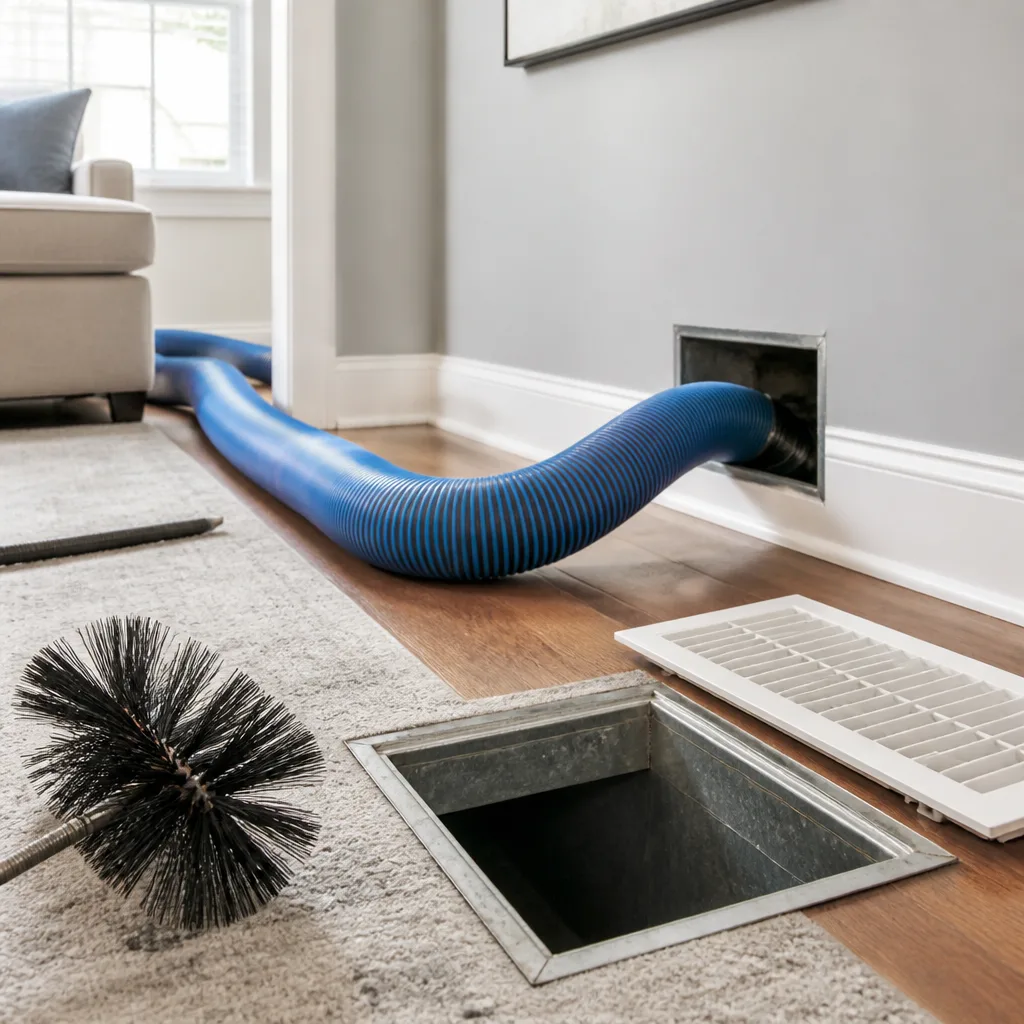 Whole-home duct cleaning
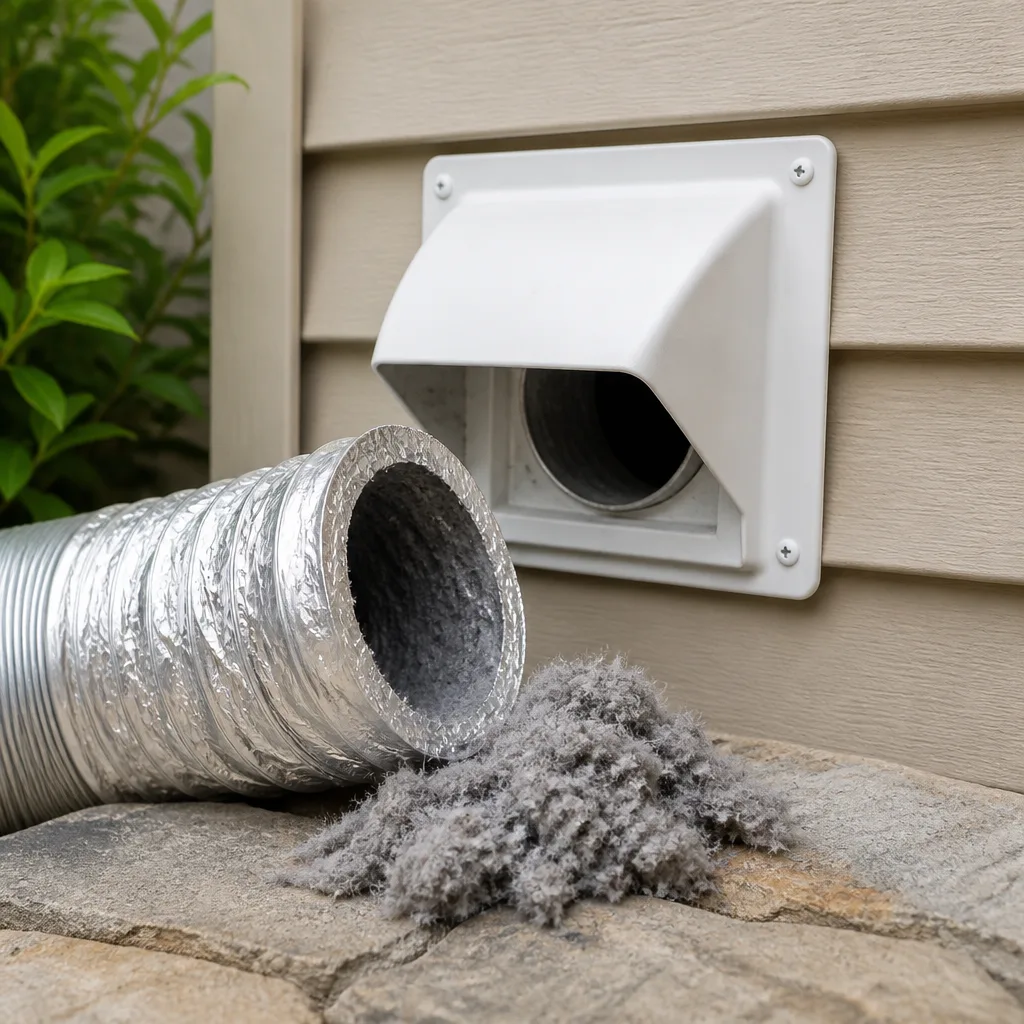 Dryer vent cleaning
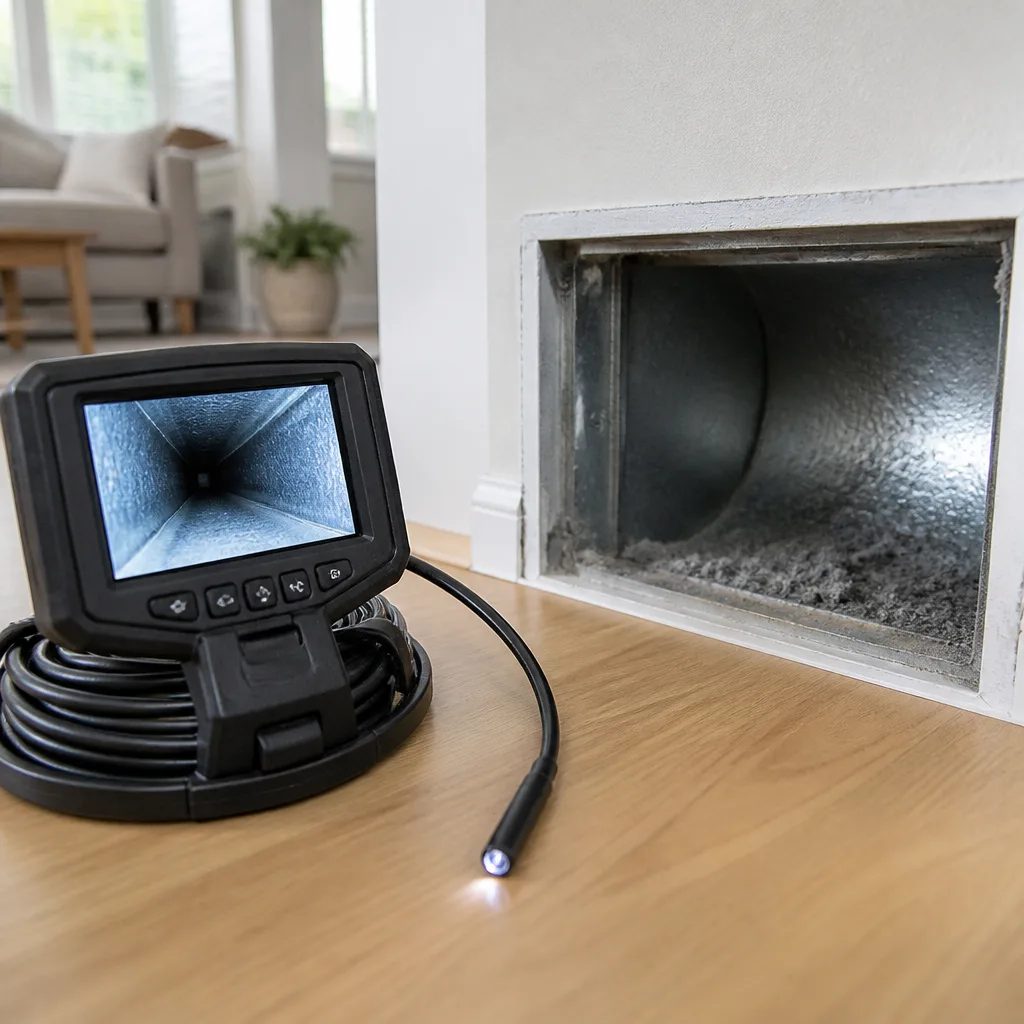 Camera inspection
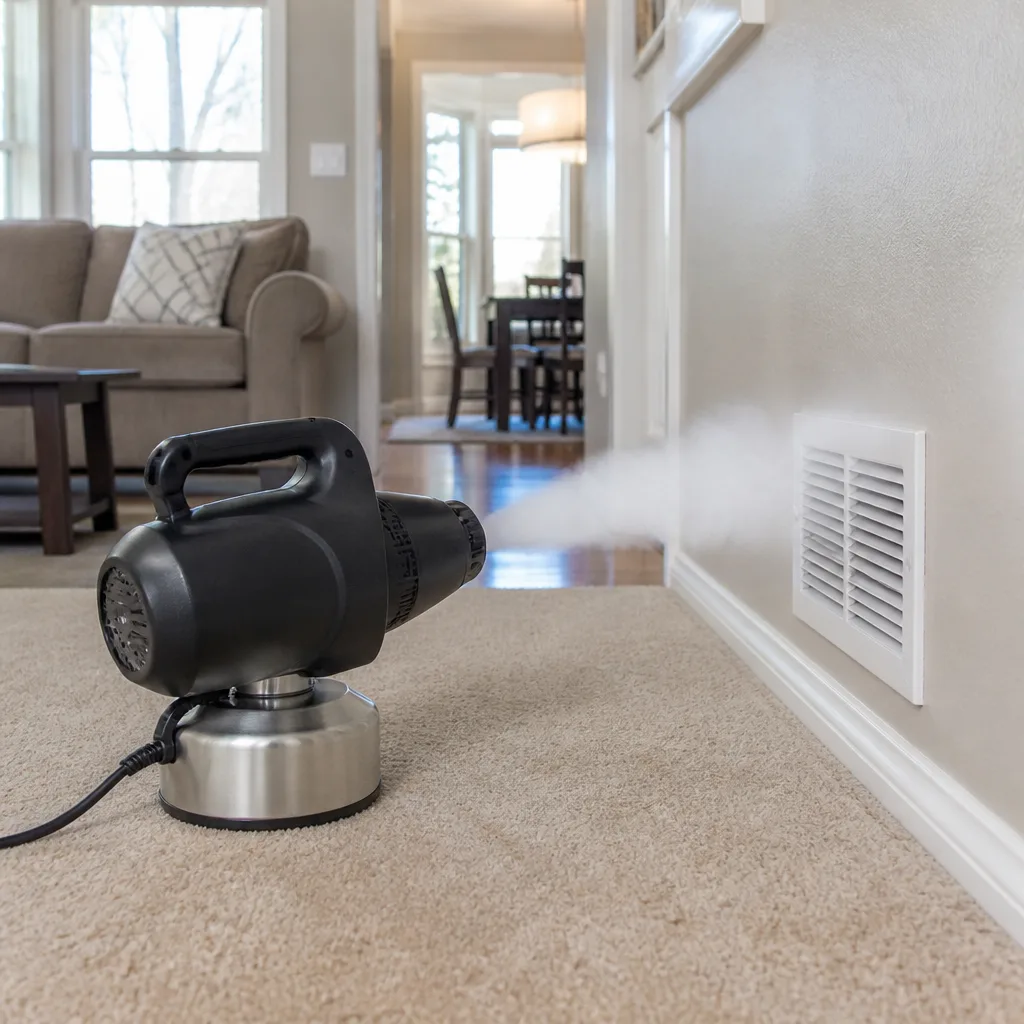 Sanitizing & deodorizing
Whole-system duct and dryer vent check with before-and-after photos - you see exactly what came out of your vents
That "$99 whole-house special" is a bait ad - the real number appears once they are in your hallway, or the "clean" is a shop-vac at the register. We photograph the inside of your ducts before and after instead.
Air Duct Cleaning Emergency Preparedness Guide for Sunrise Manor Homes
Most homeowners clean their ducts after something goes wrong. That’s backwards. After a haboob rolls through Sunrise Manor, your HVAC system may have pulled fine desert particulate into every duct branch before you even got home, and the first decision you make about running the system in the next 24 hours matters more than the cleaning appointment itself. This guide gives you a specific response protocol for dust storms, flash flooding, and wildfire smoke, so you’re acting from a plan instead of guessing during the cleanup. You’ll also learn what to document before an event and what adjusters need from a duct contamination claim.
Quick Answer
After a dust event in Sunrise Manor, keep your HVAC system off until you check the return intake and filter, then replace the filter and run the system on fan-only before you consider full duct cleaning. Flash flooding requires a moisture assessment within the mold window, and wildfire smoke calls for cleaning methods tuned to fine particulate rather than bulk dust. What turns an emergency into a manageable job is having your duct layout, prior cleaning records, and a contractor contact already documented.
Styles & brands we work with
- Whole-home duct cleaning
- Dryer vent cleaning
- Camera inspection
- Sanitizing & deodorizing
Table of Contents
- Post-Haboob Protocol: What to Do in the First 24 Hours
- Flash Flood Intrusion and the Mold Window
- Wildfire Smoke: Why Ductwork Needs Different Treatment
- The Pre-Event File: What to Document Before an Emergency
- Insurance Documentation for Duct Contamination Claims
- What an Emergency Inspection Actually Looks Like
- Air Duct Repair After the Event
- Same-Day Response: What Happens When You Call
Post-Haboob Protocol: What to Do in the First 24 Hours
Dust storms in the Las Vegas Valley move fast and leave a fine, silty layer that behaves nothing like household dust. It’s light enough to stay airborne inside a sealed house, and the HVAC system acts as a vacuum for it. Here’s how to respond in sequence:
- Leave the system off. If you were away during the storm, don’t flip the thermostat on the moment you walk in. Running the blower pushes whatever entered the return into every branch of the duct system.
- Inspect the return intake and filter first. Pull the filter and look at it. A filter loaded with desert silt has almost no airflow left, and running the system on a clogged filter strains the blower.
- Check the return grille and the first section of duct behind it. A flashlight is enough. Visible accumulation at the grille is the signal that contamination went deeper.
- Replace the filter before running anything. Then run the system on fan-only for a short period with windows closed, and watch whether dust re-settles on surfaces near the supply registers.
- Schedule an inspection if you saw accumulation at the grille. That’s the point where surface cleaning won’t reach the problem.
Homes near older, unpaved edges of Sunrise Manor and along the open-desert side of the valley tend to take on more particulate than properties with mature landscaping buffers, so the same storm can produce very different contamination levels street to street. In our experience, the return side is always the dirtiest first. Emergency cleaning means a full mechanical agitation of the duct interior with professional-grade equipment, negative pressure to keep debris out of the living space, and a documented before-and-after record so you know what changed.
Flash Flood Intrusion and the Mold Window
Flash flooding in the valley rarely announces itself slowly. Water arrives, pools against the slab, and then finds the lowest path into the structure. Slab-mounted ductwork, common in Sunrise Manor’s single-story housing stock, runs beneath the floor in direct contact with that slab. When floodwater saturates the ground around and under the slab, moisture reaches the duct exterior and, through seams and joints, the interior.
The clock that matters is the mold window: once duct materials stay wet, microbial growth becomes a realistic concern within days, not weeks. The response order is:
- Stop running the HVAC system. A blower moves humid air through the whole duct network and spreads spores into rooms that never saw water.
- Document standing water and moisture readings with photos before anything is pumped out or dried.
- Get the structure dried first. Duct cleaning on wet ductwork is wasted work; the material has to be dry before mechanical cleaning means anything.
- Have the duct interior assessed for standing water, saturated insulation, and visible growth on the liner or seams.
- Repair or replace damaged sections before reconnecting the system, because a water-damaged joint will leak air and moisture for as long as it stays in place.
Water damage to ductwork is one of the cases where cleaning alone isn’t the answer. Our air duct repair capability exists for exactly this reason: an inspection that finds crushed or separated duct sections shouldn’t send you looking for a second contractor while the return is still open. We work with filtration and contaminant-removal products from Abatement Technologies on jobs where moisture and particulate are both present.
Wildfire Smoke: Why Ductwork Needs Different Treatment
Wildfire smoke doesn’t behave like dust, and treating it like dust is the most common mistake we see. Desert silt is relatively coarse and settles. Smoke particulate is far finer, and it carries odor compounds that cling to duct surfaces, insulation, and the evaporator coil. It also penetrates a standard filter more readily.
That changes the cleaning approach in three ways:
- Source control comes first. During a smoke event, keep windows closed, run the system on recirculation, and use a filter rated for fine particulate. The goal is to stop new smoke from entering, not to clean while it’s still coming in.
- Mechanical agitation matters more than suction alone. Fine particulate that has bonded to duct walls won’t lift with a vacuum head passing by. Professional equipment like the Rotobrush and Nikro systems we use is built to agitate the surface and capture what it releases.
- Odor is a separate problem. Duct cleaning removes the particulate that holds odor, but if the smell persists after cleaning, the source is usually the coil or a section of duct, and that needs to be identified rather than masked.
Sunrise Manor sits where valley air and smoke from surrounding ranges can linger, especially on still days. If you can smell smoke indoors with the windows shut, that’s your signal that the system has been pulling it through. Filter and filtration knowledge matters here, which is why we work with products from Honeywell and Aprilaire across the air-quality side of the system.
The Pre-Event File: What to Document Before an Emergency
The single most useful thing you can do for duct emergency preparedness costs nothing during a calm week. Build a small file now, so that during a dust storm or a flood you’re not crawling through the garage looking for paperwork. Keep it digital where possible.
- Photos of your duct layout. Snap the return grilles, supply registers, the air handler, and any accessible duct runs in the garage or attic. Include a photo of the filter label so you know the exact size and rating.
- Your prior cleaning records. Date of last cleaning, who did it, and any notes about duct condition. If you have before-and-after photos from a past cleaning, keep them. They establish a baseline.
- Your contractor contact. Save the number in your phone under a name you’ll recognize when you’re stressed.
- Your HVAC equipment details. Model numbers for the air handler and any filtration or humidity equipment, including Honeywell or Aprilaire components.
- Your insurance policy number and your agent’s contact. You’ll want these immediately if water is involved.
A pre-event file also changes how a claim conversation goes. When you can show a duct system’s condition before an event, the damage after the event is easier to establish. That’s the difference between a claim that moves and one that stalls on documentation.
Insurance Documentation for Duct Contamination Claims
Adjusters handle duct contamination claims the same way they handle any other property damage: they want to see cause, extent, and evidence. Vague descriptions of “dusty ducts” don’t move a claim. Here’s what to have ready.
- Photos of the event’s effect on the structure. Waterlines, silt at the return grille, smoke staining, whatever the event left behind. Take these before you clean anything.
- A written scope from a duct professional. This should describe what was found on inspection, what cleaning or repair is required, and why. Specifics about duct type, contamination, and affected sections carry weight.
- Before-and-after documentation. Ask for photos of your own ducts at the start and end of the job. This is standard practice for us and it’s exactly what an adjuster wants to see.
- Your prior cleaning record. A documented baseline supports the argument that the contamination is event-related.
- A written estimate. We set one flat price per system, agreed before work starts, and put it in writing. That written estimate is what you submit.
We can work with your insurer on documentation, but the claim itself stays between you and your carrier. What we provide is the technical record: what the system looked like, what we found, and what we did.
What an Emergency Inspection Actually Looks Like
An inspection after a dust storm, flood, or smoke event isn’t a sales visit. It’s a look at the whole air path, and it should tell you whether cleaning is needed now, later, or not at all. Here’s what gets checked:
- The return intake and filter housing for visible accumulation and airflow restriction.
- The air handler and coil for particulate loading and moisture.
- Accessible duct runs for damage, separation, crushed sections, and contamination patterns.
- Supply registers for signs that contamination has reached the branch ends.
- The dryer vent if the event involved water intrusion, since a wet lint line is a different hazard than a dry one.
You’ll get a straight answer about what the system needs, and one flat price per system if cleaning is the recommendation. No per-vent pricing, no surprise line items after the fact. If the inspection turns up duct damage, that’s where our air duct repair capability comes in: cleaning and fixing handled in one relationship rather than two.
Air Duct Repair After the Event
Storms have a way of finding the weak points in a duct system. A section that was already loose at a joint will separate under pressure. Insulation that was marginal will stay wet after a flood. And flexible duct that got crushed behind a cabinet during a renovation years ago will finally show up as an airflow problem when the system is working hard.
Most duct cleaning vendors skip repair entirely, which means an inspection that finds a problem sends you hunting for a second company. We handle both: cleaning and repair across the same air system. The order usually runs repair first when the damage affects airflow or allows moisture in, then cleaning. In some cases, replacing a damaged run is more sensible than cleaning it, and we’ll say so directly.
If you’ve already had a cleaning done and the system still runs weak or dusty, the repair angle is worth a look. This is also true for homes with significant dust after a haboob: if the contamination keeps returning, a separated joint may be pulling air from an unconditioned space. You can read more about how the full service works on the air duct cleaning page.
Same-Day Response: What Happens When You Call
When something goes wrong, you don’t need a lengthy sales conversation. You need to know whether to run your system and when someone can look at it. Here’s the call flow.
- You describe the event. Dust storm, water, smoke, or a dryer vent concern. What you saw and when.
- You get guidance on what to do right now. In many cases, that’s “keep the system off until we inspect it.”
- We book a visit. Same-day where the schedule allows, with a clear arrival window.
- Inspection, then a written estimate. One flat price per system, agreed before any work starts.
- Photos before and after. So you can see exactly what changed.
Call (844) 719-0477. We answer 24/7. Fast dispatch from 7am to 7pm, Sunday through Friday. Estimates are free.
Common Mistakes to Avoid
- Turning the HVAC system on immediately after a dust storm. The blower distributes fine silt into every duct branch. Inspect the return and filter first, then decide.
- Wiping the registers and calling it done. Surface cleaning doesn’t touch the duct interior. The visible dust at the grille is a symptom, not the whole problem.
- Ignoring moisture in slab-mounted ducts. In Sunrise Manor’s single-story housing, floodwater reaches the slab fast. Waiting a week to address it puts you past the mold window.
- Cleaning a wet duct system. Mechanical cleaning on saturated ductwork is wasted effort. Dry the structure first, then assess the ducts.
- Treating wildfire smoke like dust. Fine particulate and odor compounds behave differently. Standard cleaning methods need adjustment, and the coil usually needs to be checked.
- Skipping the dryer vent during an emergency. A flood can saturate a vent line just like anything else. It’s a documented fire risk and shouldn’t be treated as an afterthought.
- Waiting until the storm to look for a contractor. Building the pre-event file during a calm week turns a stressful cleanup into a scheduled job.
See the difference
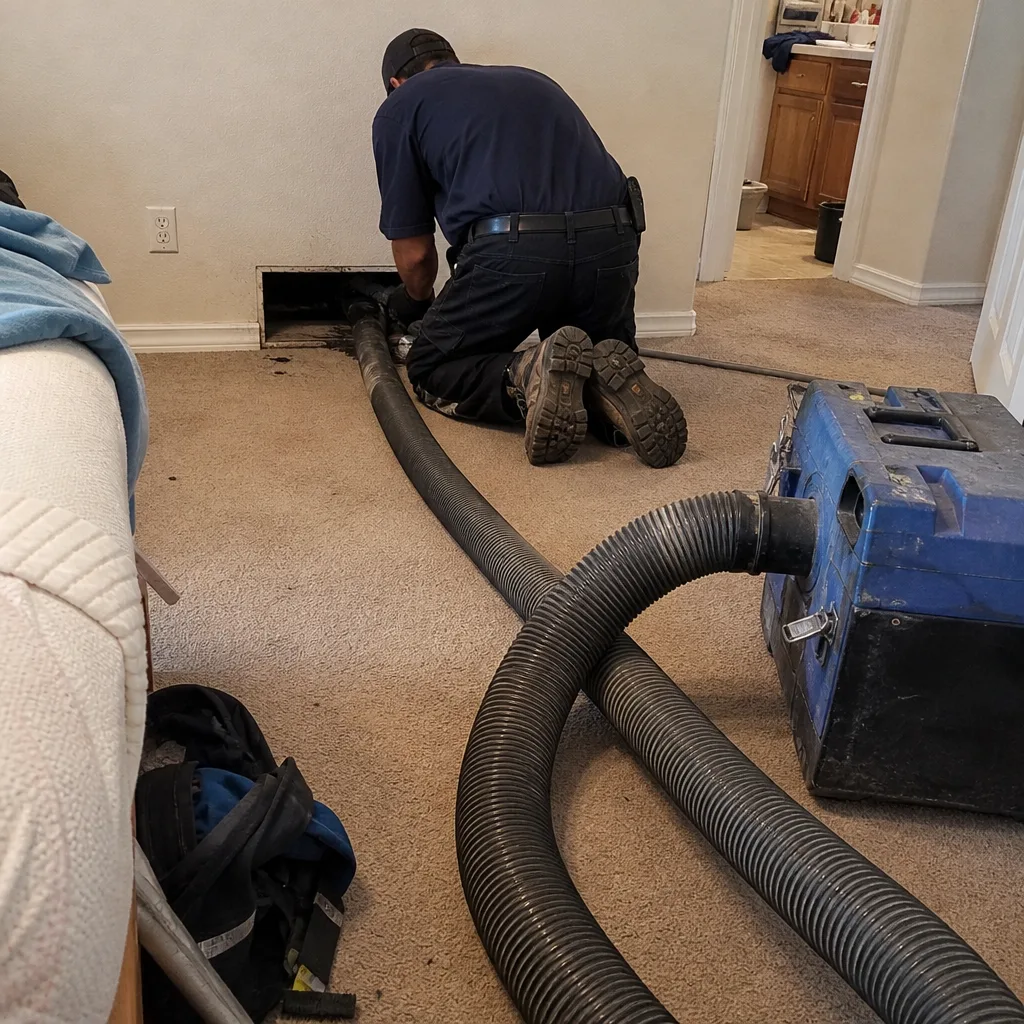 Before
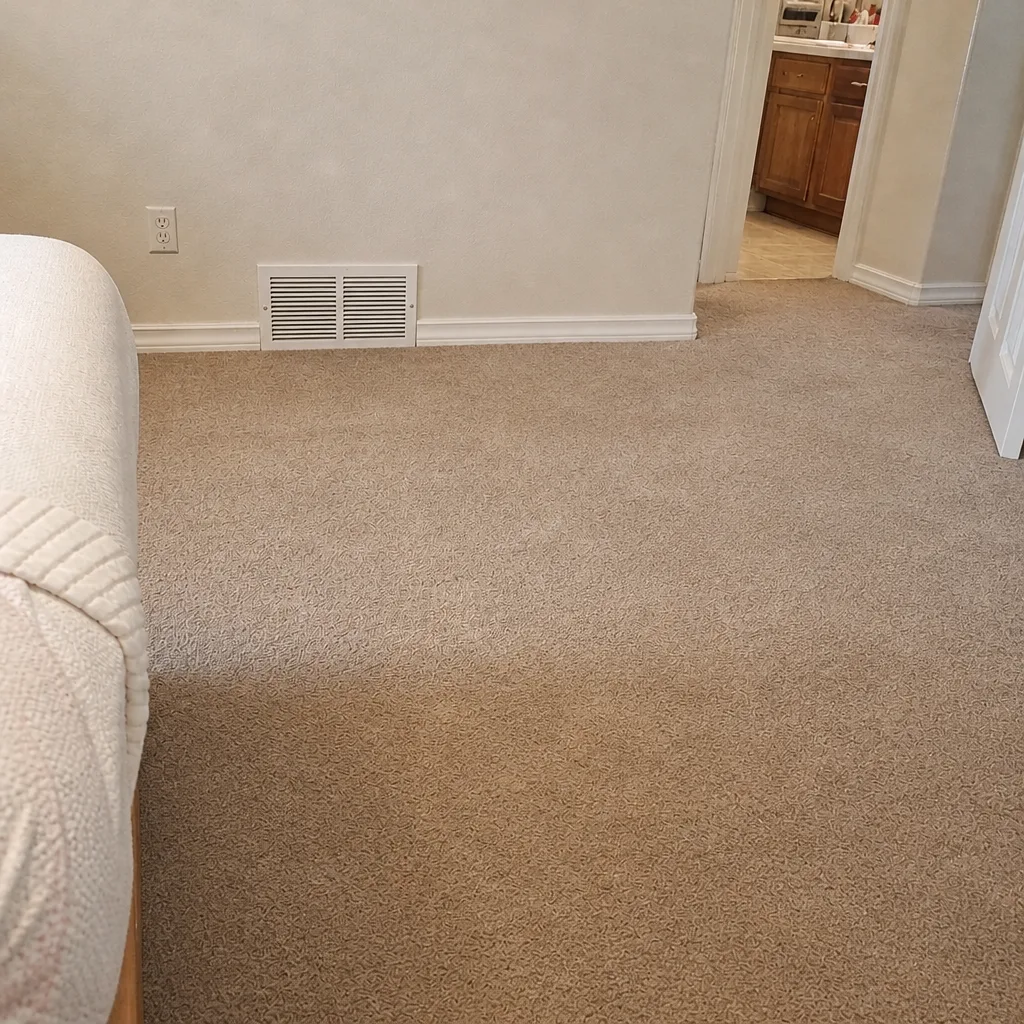 After
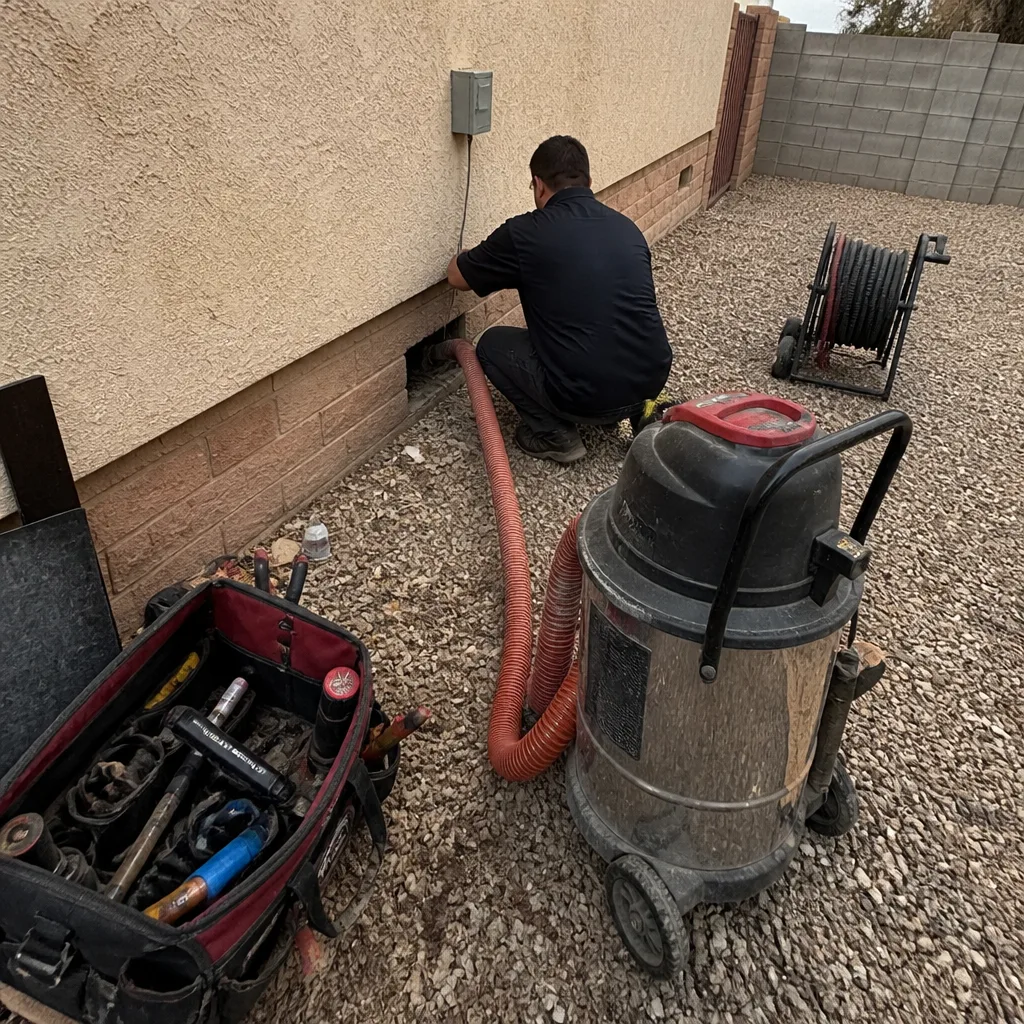 Before
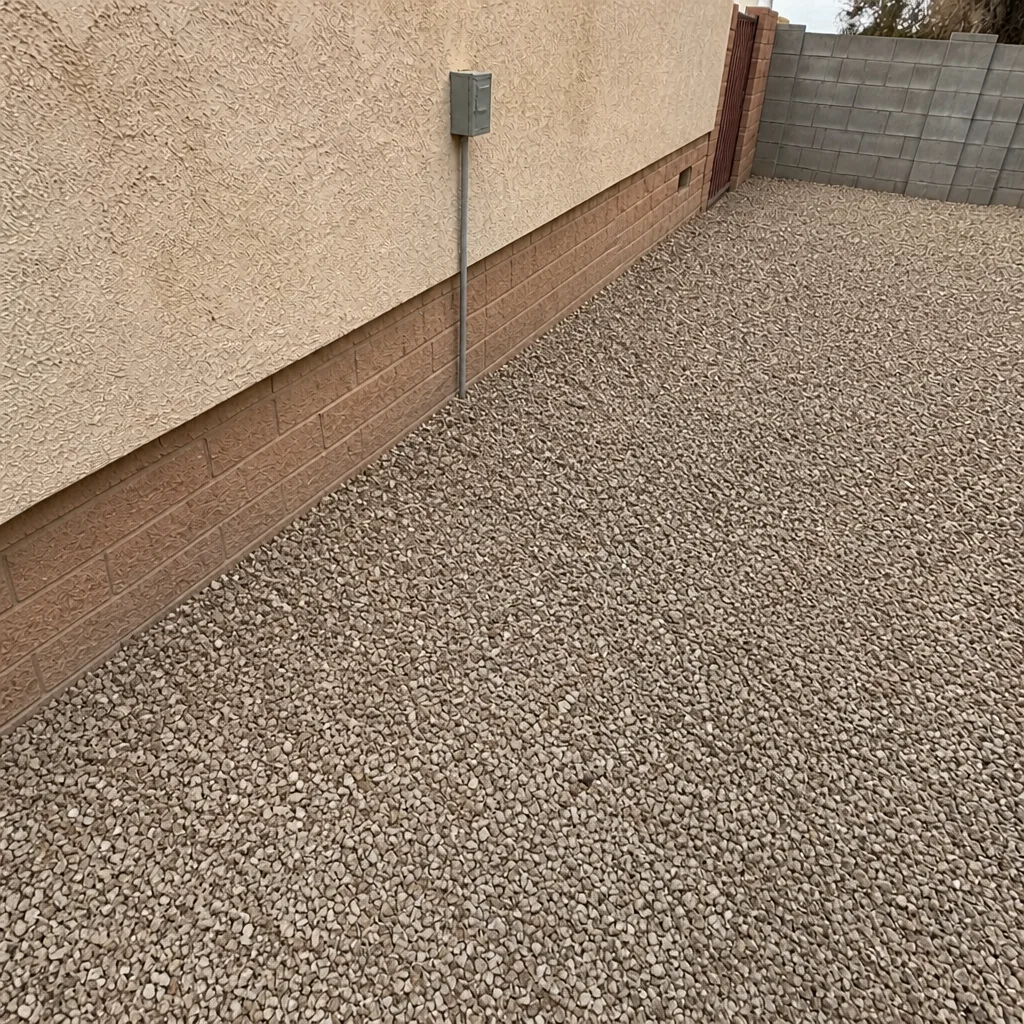 After
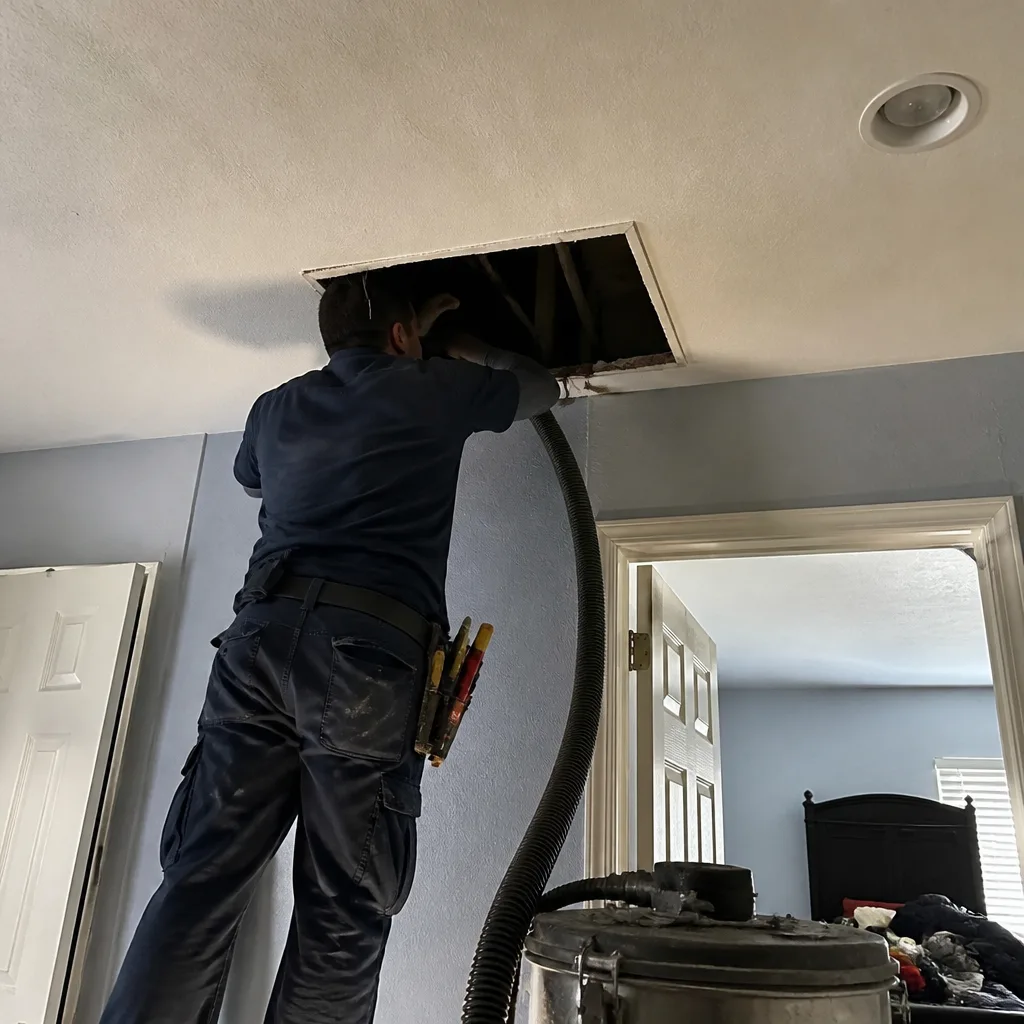 Before
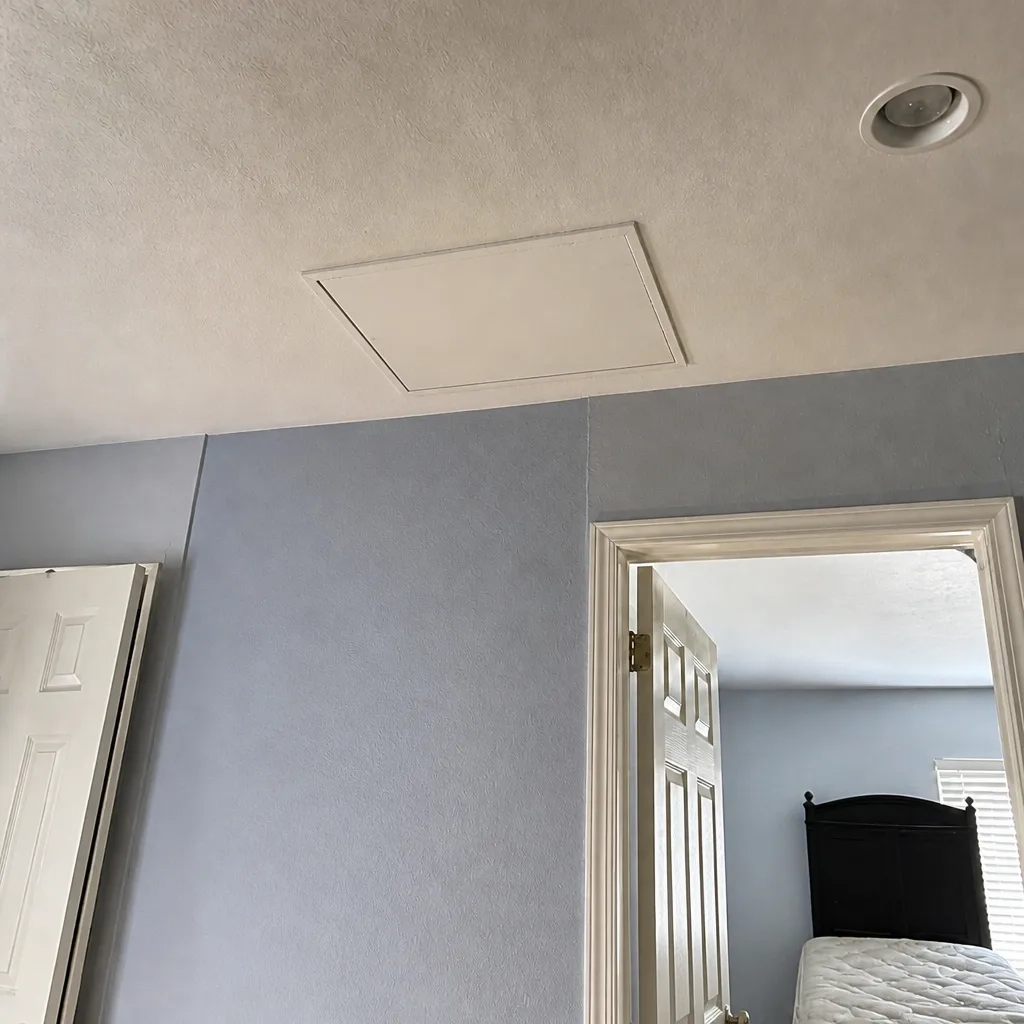 After
When to Call a Professional
Call us if you saw visible accumulation at the return grille after a dust storm, if your system ran during a haboob and your indoor air hasn’t settled, or if floodwater reached the slab and you’re not sure whether it reached the ducts. Call if smoke smell lingers indoors with the windows closed. Call if your dryer takes noticeably longer to dry a load, which can indicate a restricted vent line. Call if the system is whistling, pulling weak airflow, or leaving dust on surfaces near the registers.
We’re a residential and commercial air-system specialist with three services: air duct cleaning (linked above in the repair section), dryer vent cleaning, and air duct repair. Our technicians have up to 13 years of experience. Kingsley Air Duct Cleaning offers free estimates in Sunrise Manor. Call (844) 719-0477.
Frequently Asked Questions
Typical estimates in the Sunrise Manor area fall in the range of $350 to $550 for a whole residential system, and duct repair or flood damage adds to that because damaged sections have to be replaced before cleaning makes sense. The written estimate sets the final price, and we quote one flat price per system rather than a per-vent number. Call (844) 719-0477 for an exact quote. Estimates are free.
Same-day appointments are often possible when the schedule allows, and we’ll tell you honestly when the next opening is. In the meantime, keep the system off and inspect the return filter. Call (844) 719-0477. We answer 24/7. Fast dispatch from 7am to 7pm, Sunday through Friday.
Low quotes are usually priced per vent or per system with a teaser figure that grows once the technician is on site and finds “extras.” We quote one flat price per system, agreed in writing before work starts, and we don’t do per-vent pricing. If you want to compare fairly, ask every company for a written whole-system estimate. Call (844) 719-0477 for ours. Estimates are free.
Ask for before-and-after photos of your own ducts, taken at the start and end of the job. That’s standard on every job we do, and it’s the most direct way to see what changed. Insist on it from any contractor. Call (844) 719-0477 to schedule.
For most Sunrise Manor homes, a full cleaning every few years is a reasonable baseline, but dust events, flooding, and wildfire smoke reset the clock. If you’ve had a haboob roll through with the system running, or floodwater reached the slab, the event itself is the reason to inspect, not the calendar. Call (844) 719-0477 for an assessment. Estimates are free.
You’re likely looking for Sunrise Manor services, and that’s us. We handle air duct cleaning, dryer vent cleaning, and air duct repair in Sunrise Manor. Call (844) 719-0477.
No. We use professional-grade Rotobrush and Nikro duct cleaning systems, the same class of equipment used by certified restoration and abatement contractors. That matters most after a dust storm, when the contamination is fine and bonded to duct surfaces. Call (844) 719-0477. Estimates are free.
The Bottom Line
Dust storms, flash floods, and wildfire smoke each hit a duct system differently, and the right response differs too. After a haboob, keep the system off and inspect before you run it. After a flood, dry the structure first and treat the mold window as real. After smoke, adjust the cleaning method, not just the effort. Build your pre-event file during a calm week, and document everything during the event with photos and a written scope. Kingsley Air Duct Cleaning works across all three services with professional-grade equipment and one flat price per system. Call (844) 719-0477. We answer 24/7. Fast dispatch from 7am to 7pm, Sunday through Friday. Estimates are free.
Written by the team at Kingsley Air Duct Cleaning.